The Emotional Toll of Death Scene Investigations on Police Officers
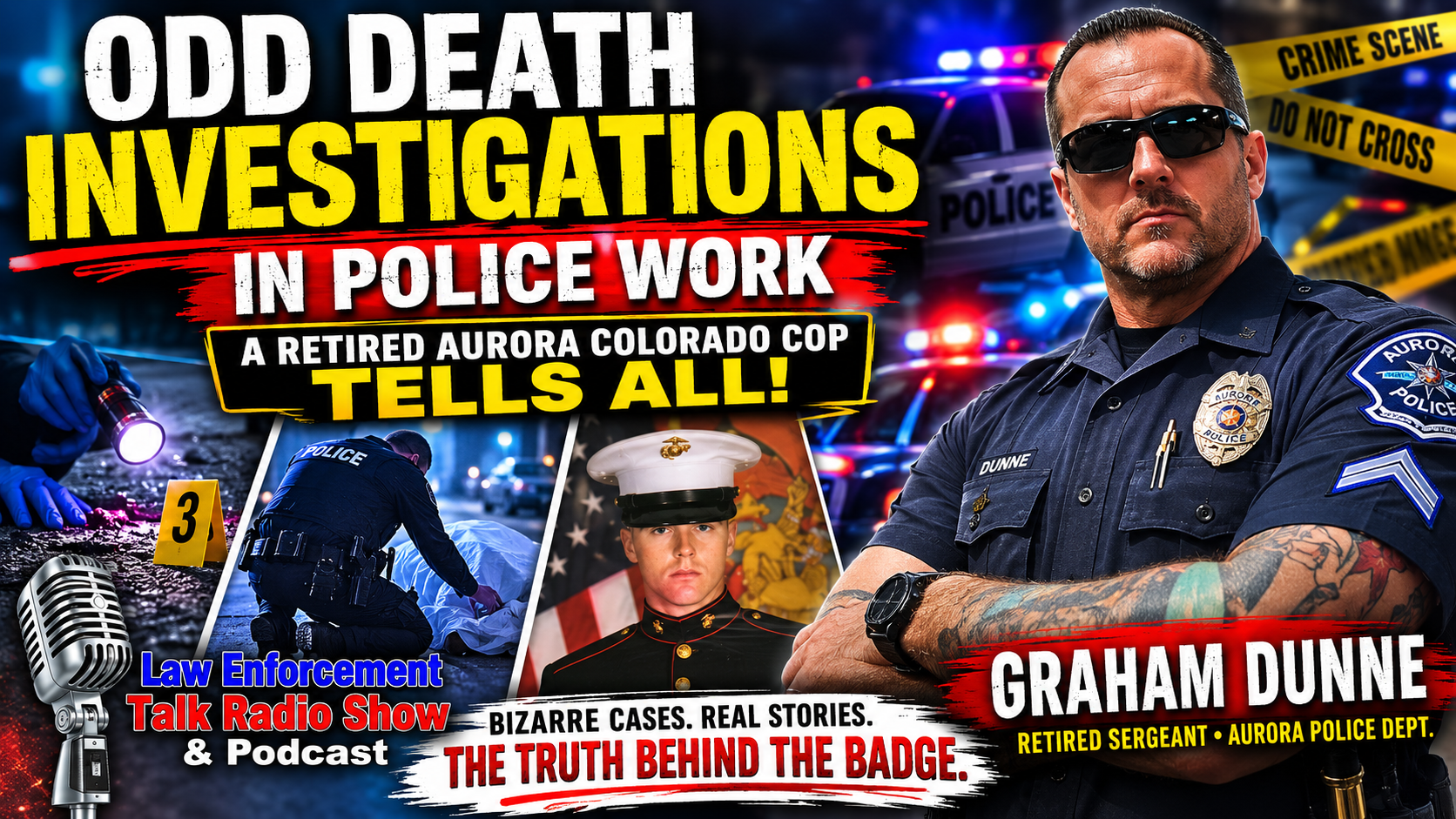
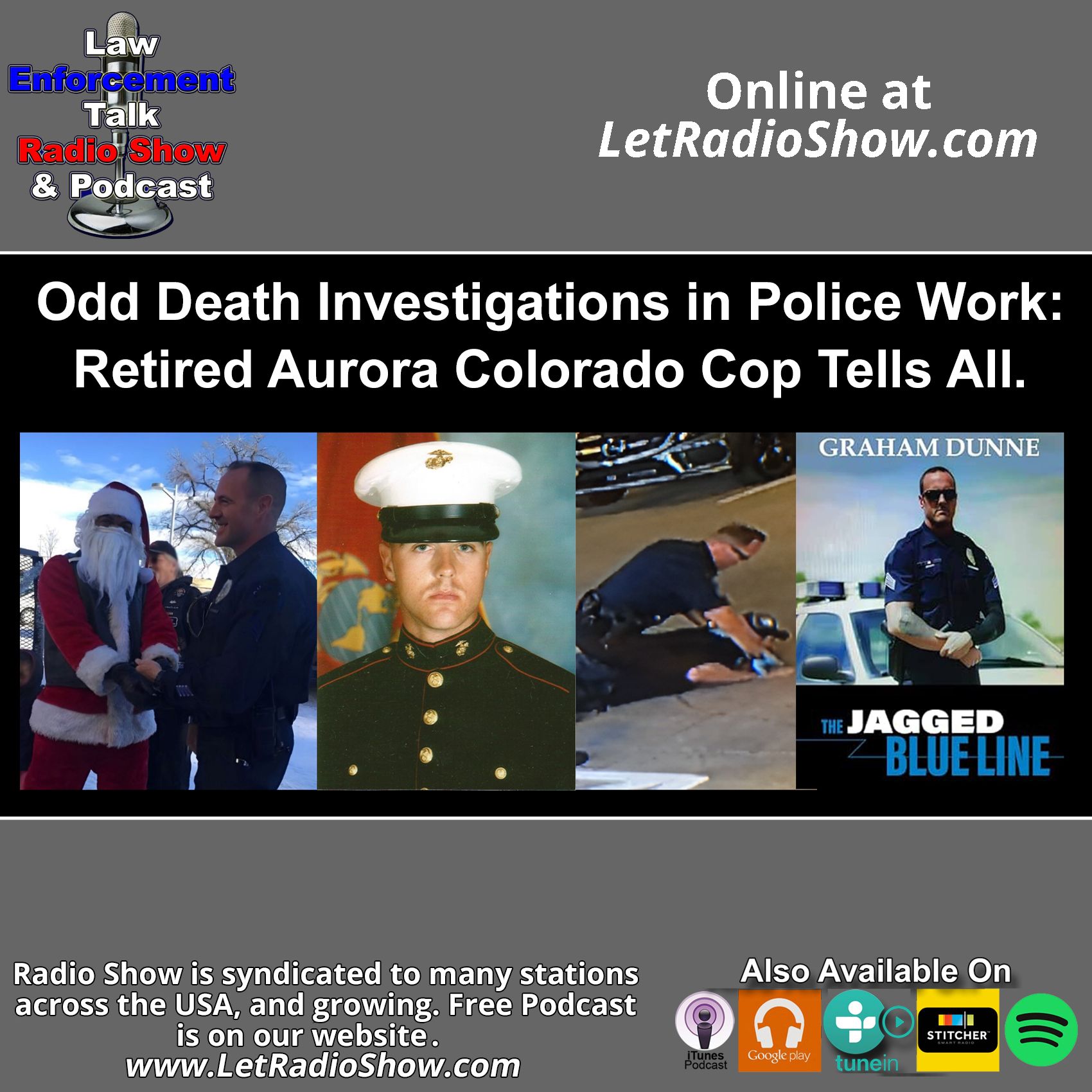
Police officers are often expected to maintain a stoic, detached professionalism when responding to death scenes, but the cumulative emotional impact of these encounters is profound. The emotional toll of death scene investigations. By exploring the psychological reality behind the badge, we gain insight into why repeated exposure to mortality leaves lasting, indelible marks on the mental health and humanity of law enforcement personnel.
Learn more, Listen to the full episode.
Key Takeaways
- Death investigations go beyond standard evidence collection, serving as deeply personal, often traumatic experiences for first responders.
- Officers frequently encounter scenes that defy standard expectations, requiring them to suppress personal reactions to remain objective.
- The "cost of doing business" in policing includes a gradual erosion of emotional armor, often leading to long-term psychological impacts.
- Repeated exposure to death, even in routine cases, requires specialized coping mechanisms to prevent professional burnout.
- Understanding the human side of policing is essential for fostering empathy and bridging the gap between law enforcement and the public.
The Hidden Burden of Death Scenes
Television often depicts the work of a detective or patrol officer as a series of fast-paced, high-stakes encounters that are neatly resolved before the credits roll. In reality, the work of investigating a death—whether it is a suspicious homicide, a tragic accident, or an unattended death of an elderly person—is slow, methodical, and often emotionally taxing. For retired Aurora Police Sergeant Graham Dunne, the reality of the job involves far more than just documenting a crime scene; it involves a perpetual confrontation with the finality of life.
When an officer enters a home to discover a body, they are not just entering a crime scene; they are entering someone's intimate, personal space. The silence, the specific sensory details, and the often unexpected conditions of these environments create a unique kind of trauma. Unlike a car chase or an active threat, there is no adrenaline to mask the gravity of the moment. Instead, there is a heavy, lingering stillness that sticks with an officer long after they have cleared the scene.
The Psychological Adaptation
Officers are trained to be objective. This professional distance is a necessity, not a luxury. Without it, the ability to collect evidence and maintain the chain of command would collapse under the weight of human empathy. However, this required detachment comes at a cost. Over a career spanning hundreds of scenes, the constant suppression of natural human grief can lead to a condition often described as emotional numbing. It is a protective mechanism, yet it creates a divide between the officer and the civilian world.
When the Routine Becomes Unforgettable
Not every death scene involves a high-profile case. Many of the most difficult calls for officers are the ones that seem mundane on the surface: the unattended deaths of those who lived in isolation. These scenes force officers to face the uncomfortable truth of human fragility and social abandonment. When an officer is the only witness to someone's final departure from the world, it changes their perspective on what it means to be a member of a community.
As Dunne notes, there are moments from his career that remain as vivid today as they were thirty years ago. These aren't necessarily the scenes of grand shootouts or dangerous standoffs; they are the quiet, bizarre, or heartbreaking moments that break the mold of what a police officer expects to see in a day's work. Whether it is an unusual crime scene involving complex lifestyle dynamics or the simple, crushing sadness of an empty house, these experiences accumulate.
Get more information for free, Listen to the full episode.
Maintaining Humanity in a Violent World
The phrase "stealing a part of your humanity" is often used by veterans of the force to describe the cumulative effect of the job. It is not necessarily that an officer becomes less kind or less moral, but rather that the internal landscape is forever altered. Learning to navigate these professional waters requires a commitment to mental health, self-reflection, and an acknowledgment that being an officer does not make one immune to the pain of the human experience.
The shift from an active-duty SWAT officer to a community-focused teacher or mentor is often the final phase of this journey. Sharing these stories—as Dunne does in his book The Jagged Blue Line—is part of a broader necessity to help civilians understand that behind every uniform, there is a person who has carried the weight of hundreds of others' tragedies. It is a bridge-building exercise that allows for mutual understanding and, ideally, a bit of healing for those who continue to serve.
For those looking to understand the depths of these experiences, you can learn more by exploring the personal accounts of officers who have spent years navigating these scenes. Listen to the full episode to hear the firsthand testimony of retired Sergeant Graham Dunne as he breaks down the reality of these investigations and how they shaped his view on life and law enforcement.
Frequently Asked Questions
Why do death scenes affect police differently than other calls?
Unlike calls involving active suspects, death scenes lack an immediate "enemy" to focus on. They force officers to sit with the reality of mortality and the personal circumstances of the deceased, which often mirrors the vulnerabilities of the officers themselves.
How do officers maintain professionalism at disturbing scenes?
Officers rely on rigorous training and tactical focus. By shifting the brain into "investigation mode," they prioritize evidence collection and procedural accuracy, which acts as a psychological buffer against the emotional weight of the scene.
Is emotional numbing a common experience for long-term officers?
Yes, it is a common, albeit complex, psychological defense mechanism. While it allows officers to function in high-stress environments, it can lead to challenges in processing personal emotions and requires intentional efforts to reconnect with one's own humanity outside of the job.

Radio Show Host and Producer
Retired from the Baltimore Police Department at the rank of Sergeant. He was retired early due a permanent line of duty injury that occurred during an act of violence. The injury resulted in 3 surgeries, two steel plates and a fusion of his right wrist and thumb.
About 8 years after retiring from police work, he began a career in the audio broadcasting space. Starting with "audio-blogs" in 1999. Which progressed into a brokered once a week radio show and then led to broadcasting school.
After graduating he has been a full time FM radio personality and launched the Law Enforcement Today Show as a podcast in March of 2017. This was in a partnership with Law Enforcement Today's Robert Greenberg. The show was quickly recruited by radio and is a nationally syndicated radio show, broadcasting weekly on many US Radio Stations to millions of people.
The partnership with them ended in the Summer of 2023 and the show was renamed the Law Enforcement Talk Radio Show and Podcast.
The radio show is syndicated by Talk Media Network. Go to the Radio Page of the site for more information.
Beyond 'I'm Fine': How Cops Hide Trauma Behind Extreme Fitness