Beyond Accusation: Understanding Confirmation Bias in False Allegation Cases
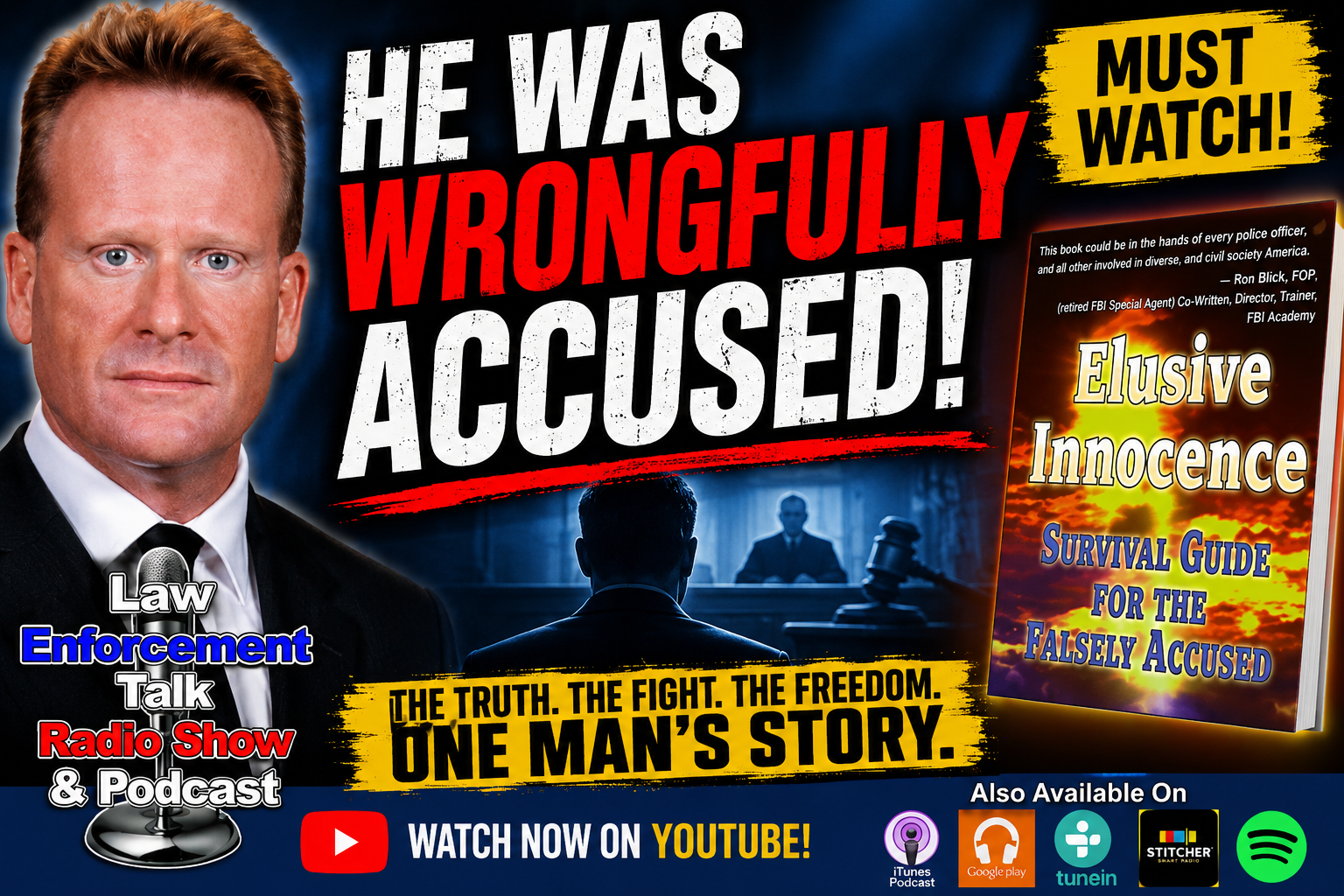
Discover how confirmation bias can affect investigations into serious accusations, leading to premature judgments and prolonged suffering for the falsely accused. This post explores how initial beliefs can blind investigators and the critical need for objective evidence in child abuse allegation cases.
How common is this? Listen to the full episode to hear his powerful account and gain further insights.
Key Takeaways
- Confirmation bias can cause investigators to focus on evidence supporting an initial belief, overlooking contradictory information.
- In cases involving child abuse allegations, the presumption of guilt can be particularly strong, overriding "innocent until proven guilty."
- Suggestive interviewing techniques can inadvertently create evidence where none exists, fueling confirmation bias.
- Objective, evidence-based investigations are crucial for protecting both children and the falsely accused.
- The aftermath of a false accusation extends far beyond dropped charges, impacting financial, emotional, and relational well-being.
The Peril of Preconceived Notions in Investigations
The legal system is designed to uphold justice, but human fallibility can introduce significant challenges. One of the most insidious is confirmation bias, a cognitive phenomenon where individuals tend to search for, interpret, favor, and recall information in a way that confirms or supports their prior beliefs or hypotheses. In the context of serious allegations, particularly those involving children, this bias can have devastating consequences.
Dean Tong, a guest on the Law Enforcement Talk Radio Show and Podcast, experienced firsthand how confirmation bias can warp an investigation. Accused of a heinous crime against his own daughter, he found himself presumed guilty from the outset. This wasn't a matter of subtle prejudice; it was a systemic tilt where the accusation itself seemed to become the primary evidence. This is a dangerous path that can lead to wrongful arrests, prolonged legal battles, and irreparable harm to innocent individuals.
Confirmation Bias in Child Abuse Allegations
Cases involving child abuse allegations are inherently sensitive and emotionally charged. While the priority is always to protect children, this sensitivity can unfortunately foster an environment where confirmation bias thrives. When authorities are presented with an accusation of child sexual abuse, the immediate instinct can be to believe the child and build a case around that belief.
This is precisely what Dean Tong describes. The moment the accusation was made, the legal and investigatory machinery seemed to lock into a narrative of guilt. He noted that the usual principle of "innocent until proven guilty" felt inverted; he was effectively forced to prove his innocence against a system that had already, in effect, convicted him. This is exacerbated when allegations arise within the highly contentious arena of a custody battle, a scenario where parental alienation and manipulation can unfortunately be present.
Furthermore, the investigative process itself can inadvertently feed confirmation bias. As Tong highlights, leading and suggestive questioning techniques, particularly when used with young children, can elicit responses that are then interpreted as corroboration. A child, especially a very young one, can be highly impressionable. When an interviewer, consciously or unconsciously, guides the child's responses, the resulting statements might appear to confirm the initial suspicion of abuse, even if no abuse occurred. This creates a self-perpetuating cycle: the accusation leads to biased investigation, which yields "evidence" that further solidifies the initial belief.
Learn more Listen to the full episode.
The Role of Suggestive Interviewing
Dean Tong's experience underscores the critical importance of proper forensic interviewing protocols. In his case, his estranged wife took their daughter to a therapist who, according to Tong, employed leading and suggestive questions. This is a classic example of how the method of questioning can create the very evidence that then fuels a biased investigation. Instead of neutrally gathering information, the therapist's questions may have inadvertently planted ideas or prompted responses that were not genuine recollections.
This is not to dismiss the reality of child abuse, which is a horrific crime. However, it highlights the urgent need for investigative practices that are scrupulously objective. When the integrity of the initial questioning is compromised, the resulting information can mislead investigators and lead to devastating outcomes for the accused. The goal of a forensic interview should be to obtain truthful and accurate information from a child, free from undue influence. When this process goes wrong, it can become a tool that inadvertently supports false allegations.
Beyond Dropped Charges: The Lasting Impact
One of the most misleading aspects of being wrongfully accused is the common assumption that life immediately returns to normal once charges are dropped. Dean Tong's story powerfully refutes this. Even after the criminal charges against him were dismissed due to insufficient evidence, his ordeal was far from over. He spent years fighting to clear his name, enduring extensive legal battles, and incurring significant financial costs – over $120,000 on attorneys and psychiatrists.
The emotional toll was perhaps even greater. The presumption of guilt and the invasive nature of the investigation left deep scars. Beyond the legal and financial ramifications, Tong lost his relationship with his daughter, a loss he describes as permanent. This estrangement highlights how the consequences of a false accusation can ripple through a family for generations, impacting not only the accused but also their children and grandchildren.
Transforming Trauma into Advocacy
Despite the profound personal damage, Dean Tong chose not to let his experience define him as solely a victim. Instead, he channeled his pain and his hard-won knowledge into a powerful mission of advocacy. He pursued advanced education, earning a Master of Science degree in Psychology and the Law, and became a nationally certified child forensic interviewer and expert witness.
His work now focuses on helping other parents caught in similar high-conflict disputes and advocating for more rigorous, evidence-based investigative practices. By sharing his story and leveraging his expertise, Tong provides a vital resource for individuals facing the terrifying prospect of false accusations. His journey from being wrongly accused to becoming a leading expert is a testament to resilience and the pursuit of justice, demonstrating that personal tragedy can indeed fuel meaningful change.
Tong's story, as detailed in the episode He Was Wrongfully Accused of One of the Worst Crimes, serves as a stark reminder of the complexities within the legal system, particularly concerning allegations of child abuse. It underscores the critical importance of objective investigation, professional interviewing techniques, and the persistent fight for due process. The episode is available for listeners to gain a deeper understanding of these critical issues and the human cost of investigative biases.
Listen to the full episode to hear Dean Tong's powerful account and gain further insights into the challenges faced by those who are wrongfully accused.
Frequently Asked Questions
How does confirmation bias affect child witness interviews?
Confirmation bias can lead interviewers to ask leading questions or interpret ambiguous responses in a way that confirms their initial suspicion of abuse. This can inadvertently create false memories or statements in a child, making their testimony unreliable and potentially fueling a wrongful accusation.
What are the risks of presuming guilt in sensitive cases?
Presuming guilt, even in sensitive cases like child abuse allegations, undermines the principle of "innocent until proven guilty." It can lead to premature arrests, biased investigations, and severe emotional, financial, and reputational damage to the accused, regardless of their actual innocence. It also risks overlooking valid defenses or exculpatory evidence.
Can false allegations in custody disputes be prevented?
While not entirely preventable, the risk of false allegations in custody disputes can be mitigated through rigorous, objective investigative practices, professional and non-suggestive interviewing techniques for children, and careful consideration of all evidence presented. Specialized training for law enforcement and legal professionals in identifying potential manipulation and bias is also crucial.
What is the long-term consequence of being falsely accused?
The long-term consequences can be profound and far-reaching, including significant financial debt from legal fees, lasting emotional trauma and mental health issues, damage to personal and professional reputation, and the permanent loss of relationships, particularly with children and family members. Rebuilding a life after such an experience is often an arduous process.

Radio Show Host and Producer
Retired from the Baltimore Police Department at the rank of Sergeant. He was retired early due a permanent line of duty injury that occurred during an act of violence. The injury resulted in 3 surgeries, two steel plates and a fusion of his right wrist and thumb.
About 8 years after retiring from police work, he began a career in the audio broadcasting space. Starting with "audio-blogs" in 1999. Which progressed into a brokered once a week radio show and then led to broadcasting school.
After graduating he has been a full time FM radio personality and launched the Law Enforcement Today Show as a podcast in March of 2017. This was in a partnership with Law Enforcement Today's Robert Greenberg. The show was quickly recruited by radio and is a nationally syndicated radio show, broadcasting weekly on many US Radio Stations to millions of people.
The partnership with them ended in the Summer of 2023 and the show was renamed the Law Enforcement Talk Radio Show and Podcast.
The radio show is syndicated by Talk Media Network. Go to the Radio Page of the site for more information.

When the Badge Is Gone: Navigating Career Termination After Line-of-Duty Trauma