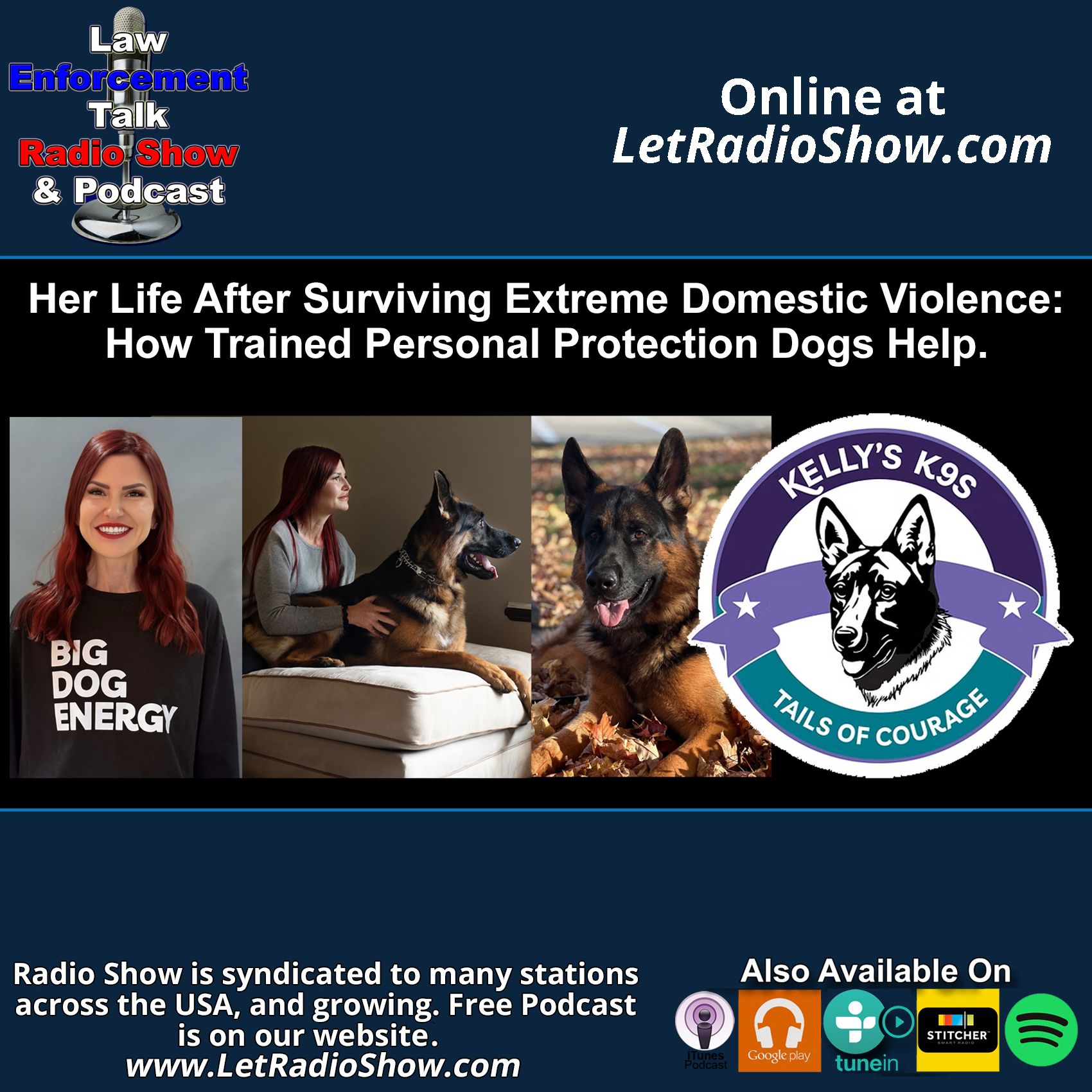
Can Personal Protection Dogs Help Domestic Violence Survivors Reclaim Their Lives?

Trained personal protection dogs provide more than just physical security for domestic violence survivors; they serve as essential anchors for emotional regulation, confidence building, and trauma recovery. By fostering a sense of predictable routine, these highly specialized animals allow survivors to transition from a constant state of hyper-vigilance to a space where they can actively participate in their own healing process.
Get more information listen to the full episode.
Key Takeaways
- Personal protection dogs provide a tangible sense of safety that can lower the chronic anxiety associated with post-trauma life.
- Beyond guarding, the daily requirement of training and caring for a working dog provides structure that helps survivors exit survival mode.
- Schutzhund and similar protection-focused disciplines offer survivors a sense of agency and accomplishment through mastery.
- Professional protection dogs create a secure environment that enables survivors to re-engage with social activities and rebuild their confidence.
- Nonprofit organizations are increasingly bridging the financial gap, providing access to these specialized canine companions for those who need them most.
The Science of Safety: Moving Beyond Survival Mode
For many victims, the aftermath of domestic violence is characterized by a state of permanent hyper-vigilance. The brain stays locked in a "fight-or-flight" response, making it difficult to sleep, work, or engage in social interactions. Research into canine-assisted therapy consistently shows that physical presence—specifically the grounded, calm energy of a well-trained dog—can trigger physiological shifts in the human body, such as lowering cortisol levels and reducing heart rate.
When a survivor works with a personal protection dog, the animal acts as an external sensor. This allows the survivor to delegate the duty of being "on guard" to the dog. This shift is not merely symbolic; it is a neurological offloading process. When the human knows the dog is effectively monitoring the environment, the human nervous system is finally granted permission to rest.
Restoring Autonomy Through Training
The healing power of dogs like the German Shepherds discussed in our recent interview is not just about protection; it is about the partnership involved in training. Engaging in Schutzhund or obedience training creates a collaborative environment. When a survivor trains their dog, they are learning to command and control an environment in a way that is structured, predictable, and fair—concepts that were likely weaponized against them during their abuse.
How Protection Dogs Impact Mental Health and Recovery
The journey from victim to survivor is often hindered by the loss of self-trust. Domestic violence is designed to erode a person's sense of self and their ability to make decisions. Working with a high-level protection dog requires clear communication, consistent body language, and immediate trust. As the dog learns to respond to the handler, the handler learns that they possess the authority and the capability to lead.
This is a transformative experience. As the dog grows in skill and maturity, the survivor witnesses the tangible results of their own dedication and patience. This process mirrors the slow, methodical work of rebuilding one's own life. The dog becomes a reflection of the survivor's progress: strong, capable, and secure.
The Role of Specialized Training in Daily Life
Many survivors ask whether a protection dog is the right choice for them compared to a traditional emotional support animal. While both provide comfort, a protection dog offers a specific layer of psychological assurance that an untrained pet cannot. This isn't just about having an animal that barks; it is about having a partner that has been rigorously tested for stable temperament and obedience in high-stress scenarios.
For those dealing with the residual fears of being stalked or feeling vulnerable in their own homes, having a dog that is trained to sit at their side or provide a physical barrier when needed can make the difference between living in isolation and returning to the public sphere. It allows the survivor to grocery shop, walk at night, or sleep in their own room without being haunted by the past.
Get more information listen to the full episode.
Finding Resources and Support
Recognizing the massive cost barrier associated with these animals, some survivors have taken it upon themselves to start nonprofits dedicated to this cause. These organizations work to ensure that economic status does not dictate whether a survivor can have the security they need to heal. By focusing on resilience and independence, these programs ensure that survivors are not just protected, but empowered.
If you or someone you know is currently struggling to regain a sense of normalcy after suffering from extreme violence, it is vital to know that there are innovative tools available to support your journey. To hear more about how this process works in practice and the life-changing impact it has on victims, Listen to the full episode. Understanding the path to recovery is the first step toward breaking the cycle and reclaiming your future.
Frequently Asked Questions
Are personal protection dogs the same as guard dogs?
No. Guard dogs are often trained to be territorial and aggressive, whereas professional personal protection dogs are trained for intense focus, strict obedience, and the ability to distinguish between normal activity and genuine threats, making them safer for family environments.
Do I need prior experience with dogs to handle a protection-trained animal?
While previous dog experience is helpful, it is not strictly required. The most important factor is the willingness to undergo training alongside your dog, as the bond and the communication protocols are built through consistent, guided sessions with a professional trainer.
How do protection dogs assist with PTSD symptoms?
These dogs provide physical presence that can interrupt panic attacks and hyper-vigilance. By providing a secure perimeter, they allow the survivor's nervous system to de-escalate, which is a crucial step in managing long-term trauma symptoms.
Are there programs that help survivors afford these expensive animals?
Yes, there are emerging nonprofits like the ones mentioned in our discussion that specifically focus on helping survivors of domestic violence secure protection dogs, helping to bypass the massive financial barrier of private acquisition.

Radio Show Host and Producer
Retired from the Baltimore Police Department at the rank of Sergeant. He was retired early due a permanent line of duty injury that occurred during an act of violence. The injury resulted in 3 surgeries, two steel plates and a fusion of his right wrist and thumb.
About 8 years after retiring from police work, he began a career in the audio broadcasting space. Starting with "audio-blogs" in 1999. Which progressed into a brokered once a week radio show and then led to broadcasting school.
After graduating he has been a full time FM radio personality and launched the Law Enforcement Today Show as a podcast in March of 2017. This was in a partnership with Law Enforcement Today's Robert Greenberg. The show was quickly recruited by radio and is a nationally syndicated radio show, broadcasting weekly on many US Radio Stations to millions of people.
The partnership with them ended in the Summer of 2023 and the show was renamed the Law Enforcement Talk Radio Show and Podcast.
The radio show is syndicated by Talk Media Network. Go to the Radio Page of the site for more information.

Beyond 'I'm Fine': How Cops Hide Trauma Behind Extreme Fitness