 Apple Podcasts Apple Podcasts
  Spotify Spotify
  Amazon Music Amazon Music
  Audacy Audacy
  Audible Audible
  Castbox Castbox
  Castro Castro
  Deezer Deezer
  Fountain Fountain
  Goodpods Goodpods
  iHeartRadio iHeartRadio
  PocketCasts PocketCasts
  Podcast Addict Podcast Addict
  Podchaser Podchaser
  Podverse Podverse
  Spreaker Spreaker
  Podurama Podurama Apple Podcasts Apple Podcasts Spotify Spotify Amazon Music Amazon Music Audacy Audacy Audible Audible Castbox Castbox Castro Castro Deezer Deezer Fountain Fountain Goodpods Goodpods iHeartRadio iHeartRadio PocketCasts PocketCasts Podcast Addict Podcast Addict Podchaser Podchaser Podverse Podverse Spreaker Spreaker Podurama Podurama
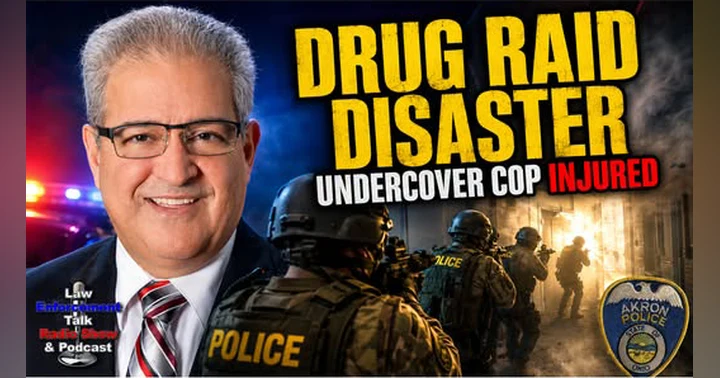
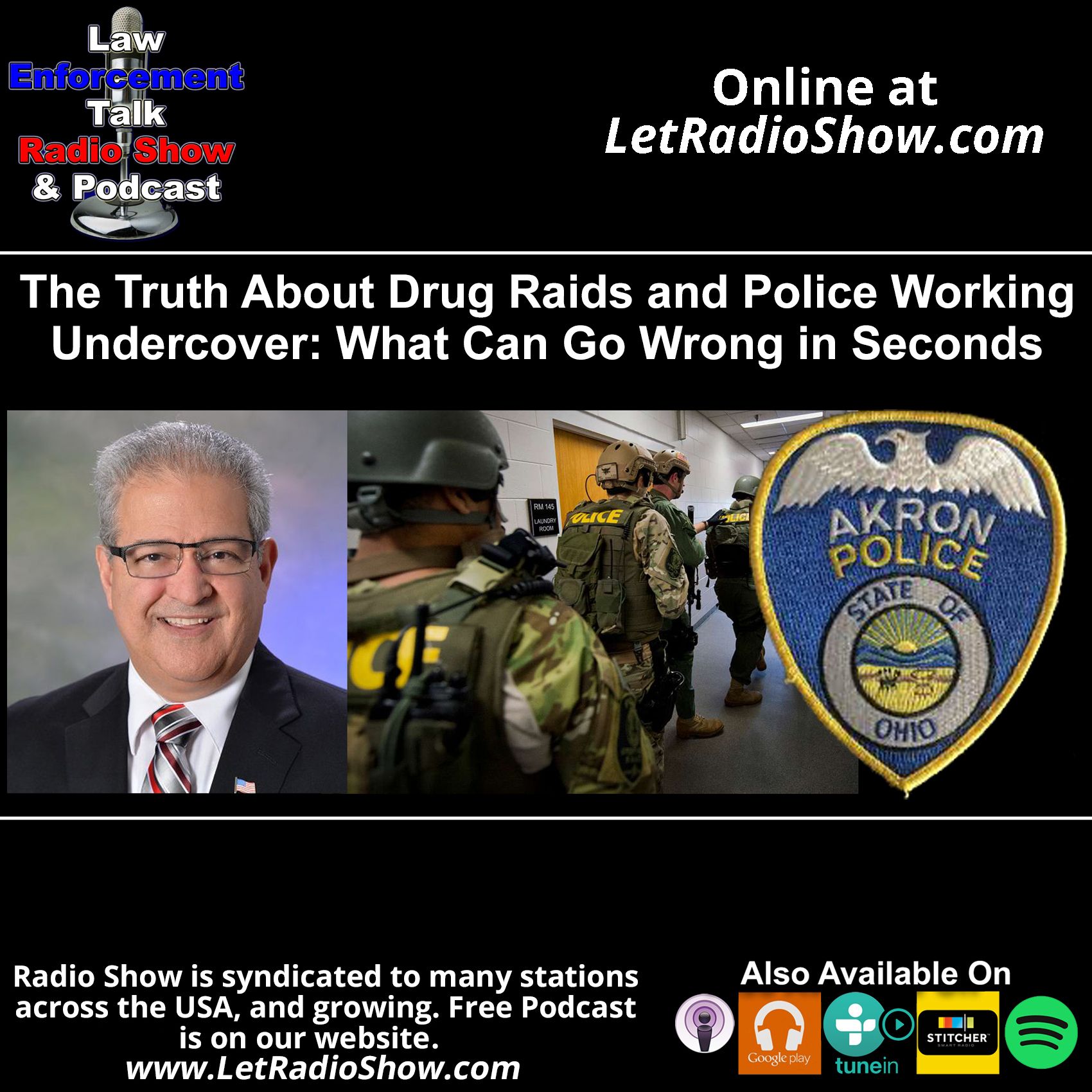
 The Truth About Drug Raids and Police Working Undercover: What Can Go Wrong in Seconds. A carefully planned police operation can descend into chaos in a matter of seconds. Retired Akron, Ohio, police officer Timothy Dimoff knows that reality firsthand. The Law Enforcement Talk Radio Show and Podcast social media like their Facebook , Instagram , LinkedIn , Medium and other social media platforms.
During his law enforcement career, he worked undercover narcotics investigations and participated in dangerous drug raids alongside SWAT teams. The Podcast is available for free on the Law Enforcement Talk Radio Show and Podcast website, also on Apple Podcasts, Spotify, YouTube, iHeartradio and most major podcast platforms. #LawEnforcementTalk #Free #Podcast #Radio
During one operation, a distraction device, commonly called a flash-bang or percussion grenade, was reportedly deployed incorrectly. In the confusion that followed, Dimoff was injured. Supporting articles about this and much more from Law Enforcement Talk Radio Show and Podcast in platforms like Medium , Blogspot and Linkedin.
His experience offers a rare look behind the badge at the risks of undercover police work, the unpredictable nature of drug raids, and the major changes that have made modern search-warrant operations more methodical and focused on safety. The Truth About Drug Raids and Police Working Undercover: What Can Go Wrong in Seconds.
Dimoff shares his remarkable story on the Law Enforcement Talk Radio Show and Podcast, available through Apple, Spotify, YouTube, Facebook, Instagram, and other social media platforms.
What Are Drug Raids?
The phrase “drug raid” is commonly used to describe a police operation designed to search a location for illegal drugs, weapons, evidence, or wanted suspects.
In legal and law enforcement settings, these operations may be called search-warrant executions or search-and-seizure operations.
Before officers can legally search most private properties, investigators generally must gather evidence, prepare an affidavit, and present their findings to a judge. If the Court determines that probable cause exists, a search warrant may be issued. The Truth About Drug Raids and Police Working Undercover: What Can Go Wrong in Seconds.
Executing that warrant, however, can be the most dangerous part of the investigation.
The conversation is available on the Law Enforcement Talk Radio Show and Podcast website, Facebook, Instagram, YouTube, Apple Podcasts, Spotify, iHeartRadio, and most other major podcast platforms, where audiences continue discovering firsthand accounts from those who have lived them.
Officers may have little reliable information about what awaits them inside the location. Potential risks can include:
Armed suspects
Barricaded doors
Surveillance cameras
Guard dogs
Hidden weapons
Fortified entry points
Innocent family members or children
Suspects attempting to destroy evidence
Bystanders who do not understand what is happening
Even after extensive planning, no officer can predict exactly how the people inside will respond when police arrive.
Dimoff’s experience demonstrates why these operations demand training, discipline, communication, and careful coordination.
The Reality of Police Working Undercover
Undercover narcotics work is far different from the polished version often portrayed on television. The Truth About Drug Raids and Police Working Undercover: What Can Go Wrong in Seconds. The episode is available across major platforms including their website, Apple Podcasts, Spotify, YouTube, with highlights shared across their Facebook, Instagram, and LinkedIn profiles.
Police officers working undercover may enter unpredictable environments without a visible uniform, marked patrol vehicle, or the immediate protection that normally identifies them as law enforcement officers.
They may meet suspected drug dealers, make controlled purchases, gather intelligence, identify criminal organizations, and help build cases that eventually lead to arrests and Court proceedings.
The danger is constant.
One mistake, unexpected question, or suspicious reaction can expose an undercover officer’s identity. If that happens, the officer may be surrounded by dangerous suspects with no obvious way out.
For undercover officers, every conversation requires focus. Every movement may be watched. Every exit must be considered.
Dimoff speaks about this demanding side of police work and the pressure officers experience while investigating narcotics crimes. His firsthand account goes beyond the dramatic images often seen on social media and reveals how quickly a seemingly controlled operation can become life-threatening.
The Drug Raid That Injured Him
While serving with the Akron Police Department in Ohio, Dimoff participated in narcotics operations involving SWAT personnel.
During one drug raid, officers used a percussion grenade as part of the tactical entry. These devices are designed to create a sudden burst of light and sound, temporarily distracting or disorienting people inside a location. The Truth About Drug Raids and Police Working Undercover: What Can Go Wrong in Seconds. Available for free on the Law Enforcement Talk Radio Show and Podcast website, also on Apple Podcasts, Spotify, Youtube and most major Podcast networks.
They are not toys, and they are not harmless.
If a flash-bang is deployed in the wrong location, bounces unexpectedly, or lands too close to an officer or civilian, it can cause serious injuries. The enclosed environment of a house or apartment can make its effects even more intense.
During the operation Dimoff describes, the device was misdirected. He was injured in the confusion and physical struggle that followed.
His story illustrates an uncomfortable truth about drug raids: even when trained officers and SWAT teams are present, something can still go wrong.
A device can land in an unintended place. A suspect can respond unexpectedly. An officer can lose sight of another team member. A room can contain hazards that were not visible during surveillance.
Plans matter, but conditions can change instantly.
Why Police Use Flash-Bang Devices
Flash-bang devices are intended to create a temporary tactical advantage during high-risk operations. The sudden light and explosive sound may distract occupants long enough for officers to enter, locate threats, and gain control of the scene.
Their purpose is generally to reduce a suspect’s ability to attack officers, reach a weapon, escape, or destroy evidence.
However, the use of these devices requires sound judgment.
Before deployment, tactical teams may consider:
The seriousness of the suspected crime
Whether firearms are believed to be present
The suspect’s criminal and violent history
The presence of children or vulnerable adults
The physical design of the building
Available intelligence about the occupants
The possibility of fire or other environmental hazards
Whether less dangerous alternatives are available
Dimoff’s injury underscores why proper placement, timing, training, and communication are essential. The Truth About Drug Raids and Police Working Undercover: What Can Go Wrong in Seconds. The Podcast is available for free on the Law Enforcement Talk Radio Show and Podcast website, also on Apple Podcasts, Spotify, YouTube, iHeartradio and most major podcast platforms.
The device is only one part of the operation. The safety of officers, suspects, families, and neighbors depends on the entire team understanding the plan and responding correctly when circumstances change.
Drug Raids Have Changed Since the 1980s
According to Dimoff, drug raids have evolved considerably since the 1980s.
Earlier operations often involved different levels of training, equipment, intelligence, and tactical coordination. Over time, police agencies learned from injuries, fatalities, lawsuits, Court decisions, and reviews of operations that did not go as planned.
Modern search-warrant executions are generally more deliberate and methodical. Depending on the agency and the level of risk, planning may include surveillance, threat assessments, photographs, diagrams, medical support, designated assignments, and detailed briefings.
Officers may study:
The number and identities of occupants
Known weapons
Criminal histories
Possible escape routes
Nearby homes and businesses
The location of children
Surveillance systems
Dogs or other animals
Doors, windows, fences, and other obstacles
The safest time and method of approach
Teams may also establish contingency plans in case the primary entry method fails.
These improvements cannot eliminate every danger, but they may significantly reduce unnecessary risks.
The goal is not simply to enter quickly. The goal is to execute a lawful warrant, secure the scene, preserve evidence, and protect everyone involved.
How Common Are Tactical Drug Raids?
Estimating the precise number of drug raids conducted across the United States is difficult because reporting practices vary among federal, state, county, and local agencies. The Truth About Drug Raids and Police Working Undercover: What Can Go Wrong in Seconds. The Law Enforcement Talk Radio Show and Podcast continues bringing listeners real conversations from the front lines of crime, policing, trauma, survival, and healing.
Some criminology estimates suggest tactical entries and search-warrant operations affect tens of thousands of people each year. Various independent estimates have placed the number of no-knock or quick-knock operations at approximately 20,000 annually.
Other estimates suggest that drug searches historically represented a large percentage of tactical or SWAT deployments.
These figures should be viewed cautiously because there is no single nationwide system that consistently categorizes and tracks every tactical warrant service in the same way.
What is clear is that these operations are not rare. Thousands of officers and civilians may be affected by them each year, making training, oversight, accurate intelligence, and safety procedures critically important.
No-Knock and Quick-Knock Entries
Not every search warrant is executed in the same manner.
During a traditional knock-and-announce operation, officers identify themselves and announce their purpose before entering. A no-knock warrant may permit entry without the customary announcement when legally authorized and justified by specific circumstances.
Quick-knock operations may involve officers announcing their presence but entering shortly afterward because of an identified threat or concern.
Supporters of rapid-entry tactics argue that they may prevent armed resistance, escape, or the destruction of evidence.
Critics raise concerns about mistaken addresses, injuries to innocent occupants, confusion, and violent confrontations when residents do not immediately realize that the people entering are police officers.
These competing concerns have led to major public debates, policy reviews, legislative changes, and Court challenges.
Supporting articles about this and much more from Law Enforcement Talk Radio Show and Podcast in platforms like Medium , Blogspot and Linkedin.
Dimoff’s story contributes an important perspective to that discussion. The risks are not limited to suspects or civilians. Police officers can also be seriously injured when tactical equipment is misdirected or an operation breaks down.
What Television and Social Media Often Miss
Drug raids are frequently reduced to short, dramatic video clips on Facebook, Instagram, YouTube, and other social media platforms.
Viewers might see a door forced open, officers shouting commands, or suspects placed in handcuffs. What they usually do not see are the days, weeks, or months of investigative work that took place beforehand. The Truth About Drug Raids and Police Working Undercover: What Can Go Wrong in Seconds. The episode is available across major platforms including their website, Apple Podcasts, Spotify, YouTube, with highlights shared across their Facebook, Instagram, and LinkedIn profiles.
They may never see the undercover officer who gathered the original evidence, the detective who prepared the search-warrant affidavit, the judge who reviewed it, or the tactical team that spent hours planning the entry.
They also may not see what happens after the raid.
Evidence must be documented and secured. Reports must be written. Suspects may appear in Court. Officers may be questioned by prosecutors and defense attorneys. Every significant decision may be examined in detail.
A tactical operation that lasts only minutes can produce a legal case that continues for months or years.
That is why accuracy and professionalism matter at every stage, from the undercover investigation to the final courtroom testimony.
The Emotional Impact of Dangerous Police Work
Physical injuries are often visible. The emotional effects of police work can be much harder to recognize.
An officer injured during a drug raid may replay the incident repeatedly, wondering what could have happened differently. Other team members may question whether they missed a warning sign or could have prevented the injury.
Undercover officers face additional pressure because they must repeatedly enter environments where their safety depends on maintaining a false identity. They cannot always display fear, ask openly for help, or leave when they feel uncomfortable.
When an operation goes wrong, the effects can follow an officer long after the scene has been cleared.
Dimoff’s willingness to discuss his experience helps the public understand that the risks of law enforcement do not end when the arrest is made.
From Police Officer to Security Consultant
After retiring from police work, Dimoff moved into security consulting.
His transition allowed him to apply the lessons he learned in narcotics investigations, tactical operations, and street-level law enforcement to helping others recognize and manage risk.
Former police officers can bring a valuable perspective to security work because they have seen how criminals identify vulnerabilities and exploit routines. They understand that safety is not based solely on equipment. It also depends on preparation, communication, awareness, and the ability to respond under pressure.
Dimoff’s injury became part of a much larger professional story, one that continued after he left the police department.
His experience serves as a reminder that knowledge gained through difficult moments can later be used to protect businesses, organizations, and individuals.
Follow the Law Enforcement Talk Radio Show and Podcast on their website, on Facebook, Instagram, YouTube, Apple Podcasts, Spotify, and other social media platforms for more compelling interviews with police officers, investigators, authors, and first responders who reveal the realities behind the badge.
An Important Conversation About Police and Public Safety
Discussions about drug raids often become deeply divided.
Some people focus on the dangers officers face when entering locations associated with drugs, weapons, and violent suspects. Others emphasize the risks to families, neighbors, and innocent occupants when police intelligence is incomplete or tactical operations go wrong.
Both concerns involve safety.
Dimoff’s experience reveals why the subject cannot be reduced to slogans. Search-warrant executions involve law, human judgment, imperfect information, and rapidly changing conditions.
Accountability matters. Training matters. Court oversight matters. Accurate intelligence matters. So does understanding the difficult decisions officers may be forced to make in seconds.
The strongest public conversations begin when people move beyond viral social media clips and listen to those who have lived through these operations.
Listen to Timothy Dimoff’s Amazing Story
Timothy Dimoff’s interview provides a firsthand account of undercover narcotics work, dangerous drug raids, tactical policing, and the operation that left him injured.
His story also explores how police training has evolved since the 1980s and why today’s tactical teams place greater emphasis on planning, coordination, and safety.
The Law Enforcement Talk Radio Show and Podcast shares real stories from police officers, first responders, military veterans, survivors, and others whose lives have been changed by crime and trauma.
Listeners can find the show across Apple, Spotify, YouTube, Facebook, Instagram, and other podcast and social media platforms.
Learn and get access to money saving tips and how to increase your net worth at www.LetSavings.com
Download the Free Ebook about ways and tips to improve your health. You can get the ebook for free at www.LetHealthy.com
Get the Free Clubhouse App, it is Drop In Social Audio. Think of it as your own talk radio show on your phone, and best of all it is free. Be sure to look for me and follow me, that’s John J Wiley or @letradioshow you can do all that here.
The Law Enforcement Talk Radio Show and Podcast social media like their Facebook , Instagram , LinkedIn , Medium and other social media platforms.
You can contact John J. “Jay” Wiley by email at Jay@letradio.com , or learn more about him on their website .
Find a wide variety of great podcasts online at The Podcast Zone Facebook Page , look for the one with the bright green logo.
Be sure to check out our website .
Listen to the Law Enforcement Talk Radio Show and Podcast on their website, Facebook, Instagram, YouTube, Apple Podcasts, Spotify, iHeartRadio, and most major podcast platforms.
Be sure to follow us on X , Instagram , Facebook, Pinterest, Linkedin and other social media platforms for the latest episodes and news.
The Truth About Drug Raids and Police Working Undercover: What Can Go Wrong in Seconds.
Attributions
Wikipedia
Hosted by Simplecast, an AdsWizz company. See pcm.adswizz.com for information about our collection and use of personal data for advertising.