Recognizing Chemical Smells: Your First Defense Against Neighborhood Drug Labs

Ever caught a strange chemical odor and wondered about its source? Understanding the unique smells associated with clandestine drug labs can be your neighborhood's first line of defense. This guide details those tell-tale chemical signatures.
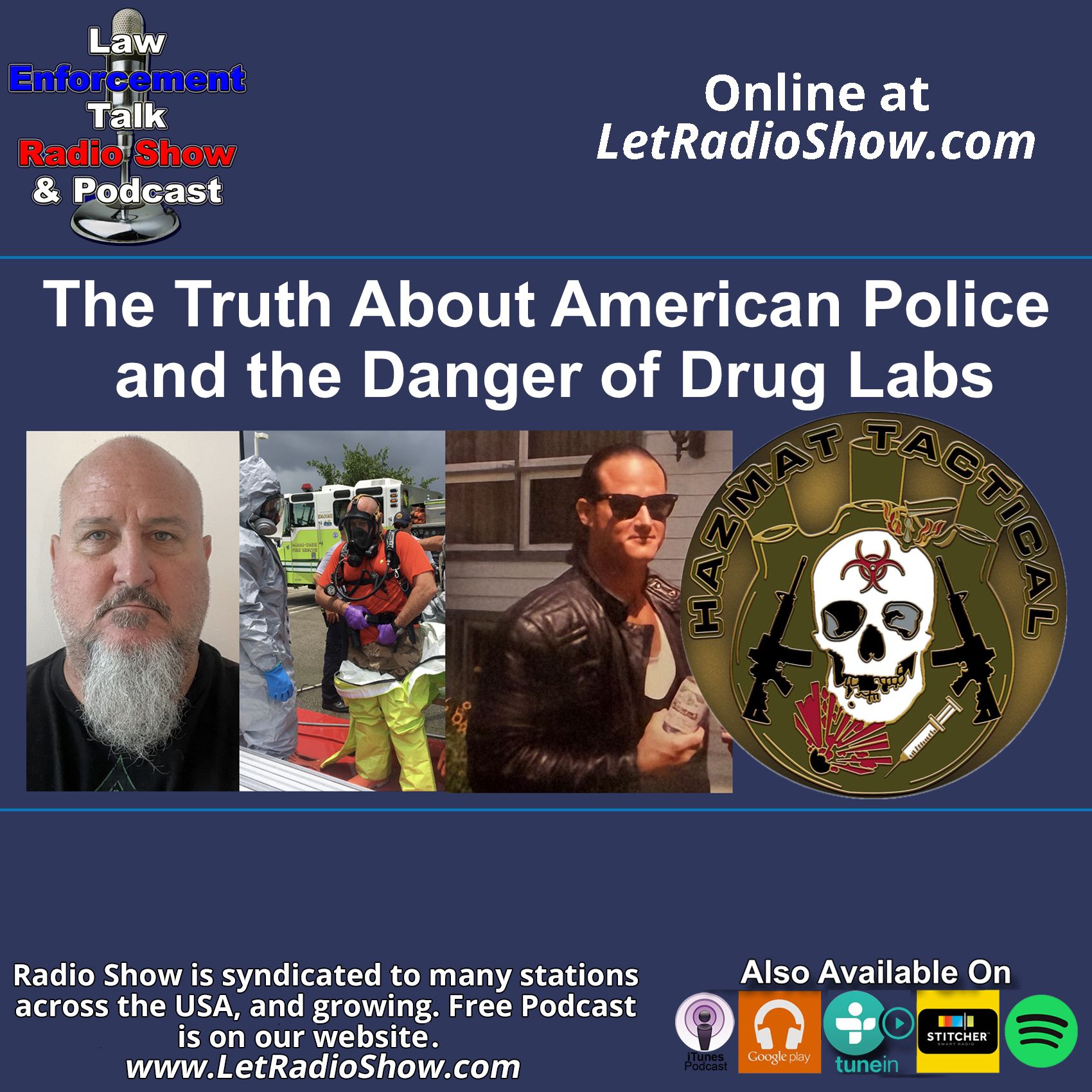
Get more information and listen to the podcast from the Law Enforcement Talk Radio Show and Podcast: The Truth About American Police and the Danger of Drug Labs.
Key Takeaways
- Unusual, strong chemical odors (ammonia, ether, solvents) are primary indicators of illicit drug manufacturing.
- The intermittency or masking attempts of these smells can also be suspicious.
- Persistent, unexplained chemical odors warrant further investigation and reporting.
- Recognizing specific chemical scent profiles can help differentiate them from common household or workshop smells.
The Stench of Synthesis: Identifying Chemical Odors
Clandestine drug laboratories, often operating stealthily within residential areas, frequently leave behind a distinct olfactory footprint. The processes involved in synthesizing illicit substances rely on a cocktail of potent chemicals, many of which emit powerful and recognizable odors. For the average resident, these smells can be the most immediate and alarming sign that something is amiss. While manufacturers attempt to mask these scents using ventilation systems, air fresheners, or by operating during specific hours, the sheer volatility and intensity of these chemicals often make complete concealment impossible.
One of the most commonly reported odors associated with drug labs is a strong ammonia smell. This pungent, sharp scent is a byproduct of methamphetamine production, particularly during the 'red phosphorus' or 'one-pot' methods. Ammonia, when concentrated, has a suffocating quality that is difficult to ignore and distinct from the milder ammonia used in cleaning supplies. It can permeate walls, furniture, and clothing, lingering long after the immediate source has been mitigated.
Beyond ammonia, a variety of other chemical odors can serve as red flags. Solvents like acetone, ether, or toluene, often used in drug synthesis, have their own characteristic smells. Acetone, for example, has a sweetish, penetrating odor similar to nail polish remover, but often far more intense. Ether has a distinctively sweet, somewhat anesthetic smell, while toluene might be described as a strong paint thinner or industrial solvent odor. These smells can be intermittent, appearing strongest when the lab is actively in operation or when ventilation is suddenly increased.
It is crucial to distinguish these illicit chemical odors from more common household or workshop smells. The key indicators are the intensity, unusual nature, and persistence of the odor. A faint smell of paint might be from a recent DIY project, but a strong, persistent solvent smell emanating from a neighbor's garage or basement, especially when no construction or painting is evident, should raise concerns. Similarly, the acrid smell of strong acids or bases can also be present, indicating corrosive chemicals being used in the manufacturing process. These can often be described as metallic or sharp, burning smells that are highly unpleasant and unusual for a residential setting.
Learn more from the Law Enforcement Talk Radio Show and Podcast: The Truth About American Police and the Danger of Drug Labs.
Masking Attempts and Intermittent Odors
The individuals operating clandestine drug labs are aware that their activities can be detected through smell. Consequently, they often employ various methods to mask or disguise the tell-tale chemical odors. This can include running exhaust fans constantly, venting fumes through dryer vents, or using an excessive amount of air fresheners, incense, or even commercial odor neutralizers. However, these masking attempts are rarely completely effective. The chemicals used are often so potent that their odors can still leak through or be detected when the masking efforts falter or are overwhelmed.
The intermittency of the odors can also be a significant clue. A chemical smell that appears strongly at certain times and then disappears might indicate a lab that is only active during specific periods, perhaps to avoid detection during daylight hours or when neighbors are likely to be home. Conversely, some operations might involve processes that release fumes only sporadically, depending on the stage of synthesis. If you notice a recurring, unexplained chemical smell that comes and goes, it warrants closer attention. This pattern of detection and concealment is a hallmark of illicit operations trying to fly under the radar.
When to Report Suspicious Chemical Odors
Recognizing the specific chemical smells associated with drug labs is the first step, but knowing when and how to report this information is critical. If you detect persistent, strong, or unusual chemical odors emanating from a property, especially if they are accompanied by other suspicious signs like excessive waste or unusual ventilation, it is vital to report it. Never attempt to investigate the source yourself, as clandestine labs can be dangerous due to volatile chemicals, booby traps, and the presence of individuals involved in criminal activity.
Your local law enforcement agency or a dedicated narcotics tip line are the appropriate channels for reporting such concerns. Provide as much detail as possible about the nature of the smell, its duration, intensity, and any other observations. Your anonymous report could be instrumental in preventing a dangerous situation and protecting your community from the hidden threats posed by drug labs.
For more insights into the dangers law enforcement faces, including the realities of drug labs, listen to the full episode of the Law Enforcement Talk Radio Show and Podcast: The Truth About American Police and the Danger of Drug Labs.
Frequently Asked Questions
- Q: What are the most common chemical smells from drug labs?
A: The most common smells are strong ammonia, solvents like acetone or ether, and acrid chemical odors. - Q: Can drug labs completely hide their smell?
A: It's very difficult for them to completely hide the smell due to the potency of the chemicals involved, though they often try to mask it. - Q: If I smell chemicals, should I investigate myself?
A: Absolutely not. Clandestine labs are dangerous environments. Always report your suspicions to law enforcement. - Q: How can I tell if a chemical smell is from a drug lab or just normal activity?
A: Consider the intensity, persistence, unusual nature of the smell, and whether it's unexplained by normal household or workshop activities.

Radio Show Host and Producer
Retired from the Baltimore Police Department at the rank of Sergeant. He was retired early due a permanent line of duty injury that occurred during an act of violence. The injury resulted in 3 surgeries, two steel plates and a fusion of his right wrist and thumb.
About 8 years after retiring from police work, he began a career in the audio broadcasting space. Starting with "audio-blogs" in 1999. Which progressed into a brokered once a week radio show and then led to broadcasting school.
After graduating he has been a full time FM radio personality and launched the Law Enforcement Today Show as a podcast in March of 2017. This was in a partnership with Law Enforcement Today's Robert Greenberg. The show was quickly recruited by radio and is a nationally syndicated radio show, broadcasting weekly on many US Radio Stations to millions of people.
The partnership with them ended in the Summer of 2023 and the show was renamed the Law Enforcement Talk Radio Show and Podcast.
The radio show is syndicated by Talk Media Network. Go to the Radio Page of the site for more information.

Beyond 'I'm Fine': How Cops Hide Trauma Behind Extreme Fitness