The Extended Shadow: How Rural Police Officer Isolation Amplifies the Trauma of Critical Incidents

Rural police officers often face the stark reality of operating alone across vast distances. This profound isolation, coupled with extended response times for backup, significantly amplifies the psychological impact of critical incidents and the daily stresses of law enforcement.
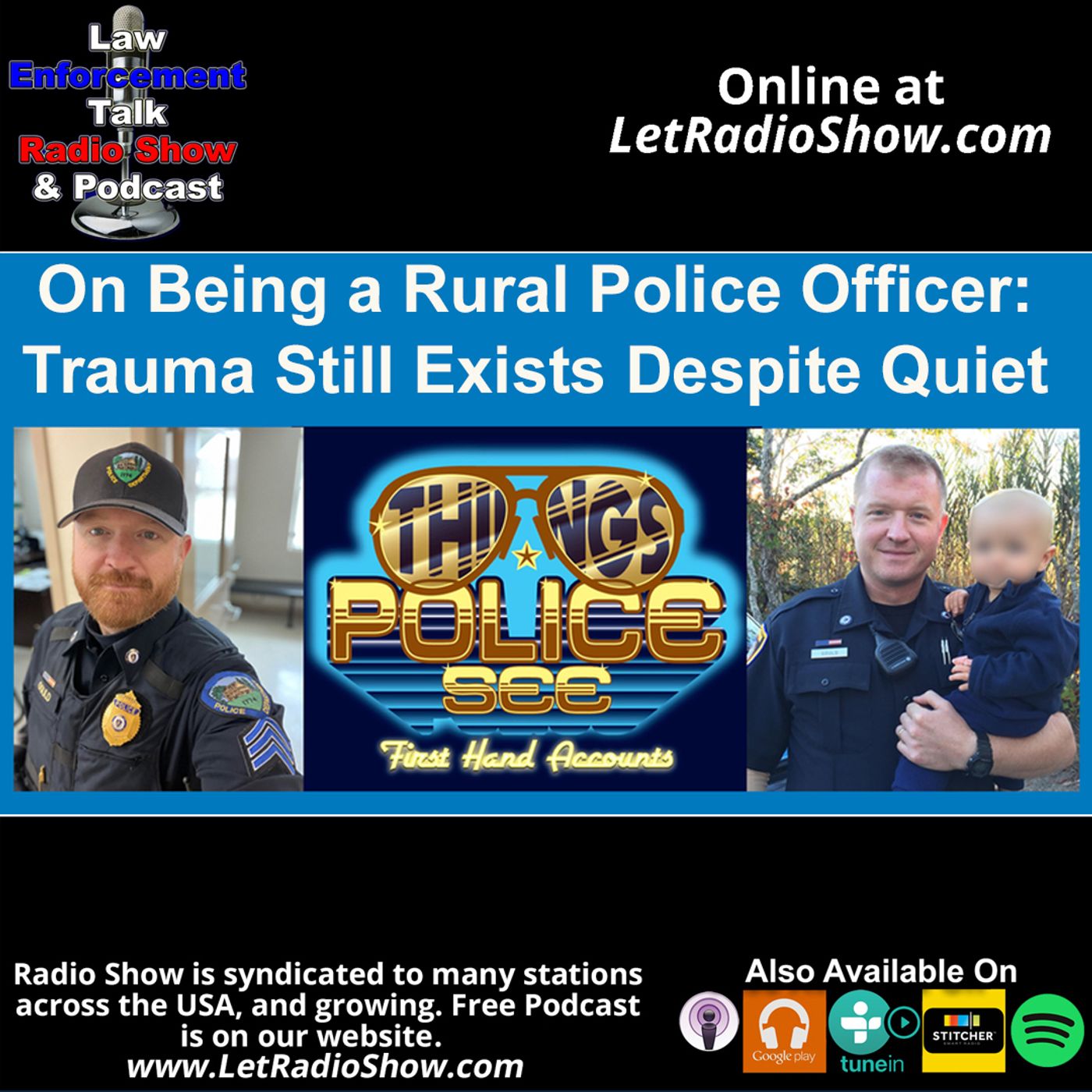
Learn more, listen to the full episode: On Being a Rural Police Officer.
Key Takeaways
- The lack of immediate backup in rural areas forces officers to manage high-stakes situations solo, increasing psychological pressure.
- Extended response times mean longer periods of heightened alert and vulnerability, impacting mental resilience.
- Isolation can deepen the emotional resonance of traumatic events due to the absence of immediate peer support.
- Officers must develop advanced self-reliance and coping mechanisms to mitigate the effects of prolonged solo operations.
- The unique stressors of rural policing necessitate specialized support systems and a deeper understanding of officer well-being.
The Weight of the Badge, Alone
In the quiet expanse of rural America, the uniform of a police officer often signifies a solitary presence. Unlike their urban counterparts who can typically expect backup within minutes, rural officers frequently patrol counties that span hundreds of square miles, with fellow officers potentially hours away. This geographical reality transforms routine calls into potential high-stakes scenarios where an individual officer is the sole line of defense. When a critical incident unfolds – be it a domestic disturbance escalating, a serious traffic accident, or a mental health crisis – the officer on scene is not just responding; they are managing the entire situation independently. The sheer distance to the nearest backup unit, often exceeding 30 minutes as noted by Sergeant Steven Gould on the 'Law Enforcement Talk' podcast, means that vulnerability is a constant companion. This prolonged period of solo engagement during emergencies is a significant stressor, demanding an officer to be not only a peacekeeper but also a tactical strategist, a first responder, and a protector, all without immediate assistance. The psychological burden of this solo command is immense, requiring an officer to maintain composure and make critical decisions under extreme duress, knowing that help is a distant prospect.
Response Times and the Amplification of Stress
The clock ticks differently for a rural police officer. The minutes that stretch into an eternity during a tense standoff or a life-threatening medical emergency are amplified by the knowledge that backup is not just around the corner. These extended response times are not mere logistical inconveniences; they are potent contributors to the psychological strain experienced by these officers. Each moment spent alone at a scene of chaos or danger intensifies the adrenaline, the hypervigilance, and the potential for miscalculation. The absence of immediate peer support during a critical event means that the officer must carry the full emotional and psychological weight of the situation. There's no immediate colleague to share the burden, to offer a reassuring glance, or to provide a quick debriefing after the immediate threat has passed. This sustained state of high alert, prolonged by the waiting period for backup, can lead to increased cortisol levels, fatigue, and a heightened risk of burnout. The mental fortitude required to repeatedly face such scenarios alone, with the constant awareness of extended response times, is extraordinary and underscores a critical aspect of the unique challenges faced in rural law enforcement.
Learn more, listen to the full episode: On Being a Rural Police Officer.
Coping with Isolation: Building Resilience
The pervasive isolation inherent in rural policing necessitates the development of robust coping mechanisms and a high degree of self-reliance. Officers in these environments learn to trust their instincts, hone their de-escalation skills, and become adept at situational assessment, often with limited external input. This fosters a profound sense of autonomy but also places a significant burden on the individual officer's mental well-being. Without the constant, informal peer support structure found in larger departments, rural officers must actively seek out or create their own avenues for emotional release and psychological processing. This might involve developing strong personal support networks outside of work, engaging in regular physical activity, or practicing mindfulness techniques. Furthermore, agencies in rural settings face the challenge of providing specialized training and support that acknowledges the unique stressors of isolation and extended response times. This could include robust mental health programs tailored to rural officers, peer support initiatives that bridge geographical gaps, and leadership that actively promotes a culture where seeking help is encouraged and destigmatized. The ability to build resilience in the face of such profound isolation is not just a personal attribute; it is a critical component of maintaining effective and sustainable law enforcement in rural communities.
Learn more, listen to the full episode: On Being a Rural Police Officer.
The Invisible Toll on Rural Officers
The quiet nature of rural life can create a deceptive sense of calm, masking the significant emotional and psychological toll on its law enforcement officers. While the frequency of certain types of crime might be lower than in urban centers, the intensity and impact of the incidents to which rural officers respond can be just as devastating, if not more so, due to the accompanying isolation. A single horrific car crash, a child abuse case, or a suicide can leave indelible marks on an officer who is often the sole responder and a familiar face in the community. The lack of immediate backup means these officers are not only dealing with the immediate crisis but also the prolonged aftermath, often knowing the victims and their families personally. This personal connection, while a source of community policing rewards, also intensifies the trauma. Unlike in larger cities where an officer might interact with a victim and never see them again, rural officers frequently encounter these individuals or their grieving families in everyday life. This constant reminder of past traumas, coupled with the ongoing stress of solo response and extended wait times for assistance, contributes to a cumulative emotional burden. This invisible toll highlights the critical need for specialized support systems and a deeper societal understanding of the unique mental health challenges faced by those who serve and protect our most remote communities.
To delve deeper into these critical issues and hear firsthand accounts from those on the front lines, listen to the full episode: On Being a Rural Police Officer.
Frequently Asked Questions
What makes isolation a significant factor for rural police officers?
Isolation is significant because rural officers often patrol vast areas alone and may have to wait extensive periods for backup, increasing the pressure and vulnerability during critical incidents.
How do extended response times affect a rural officer's stress levels?
Extended response times amplify stress by prolonging periods of high alert and demanding solo management of emergencies, increasing the psychological burden and risk of burnout.
Why is peer support less readily available for rural officers?
Due to the geographical dispersion of officers, immediate peer support and quick debriefing opportunities are often unavailable, forcing officers to process traumatic events in solitude.
What are the implications of personal connections in rural policing for trauma?
Personal connections can intensify trauma, as rural officers often know the victims and their families, leading to a more personal and prolonged emotional impact from incidents.

Radio Show Host and Producer
Retired from the Baltimore Police Department at the rank of Sergeant. He was retired early due a permanent line of duty injury that occurred during an act of violence. The injury resulted in 3 surgeries, two steel plates and a fusion of his right wrist and thumb.
About 8 years after retiring from police work, he began a career in the audio broadcasting space. Starting with "audio-blogs" in 1999. Which progressed into a brokered once a week radio show and then led to broadcasting school.
After graduating he has been a full time FM radio personality and launched the Law Enforcement Today Show as a podcast in March of 2017. This was in a partnership with Law Enforcement Today's Robert Greenberg. The show was quickly recruited by radio and is a nationally syndicated radio show, broadcasting weekly on many US Radio Stations to millions of people.
The partnership with them ended in the Summer of 2023 and the show was renamed the Law Enforcement Talk Radio Show and Podcast.
The radio show is syndicated by Talk Media Network. Go to the Radio Page of the site for more information.
How to Talk to Kids About Online Predators: A Parent's Guide