What Is the Law Enforcement Talk Radio Show and Podcast All About?
What Is the Law Enforcement Talk Radio Show and Podcast All About? Behind every badge is a human being. Behind every emergency call is a story. And behind many of the headlines involving police officers, firefighters, military veterans, and other first responders are experiences that rarely receive the attention they deserve.
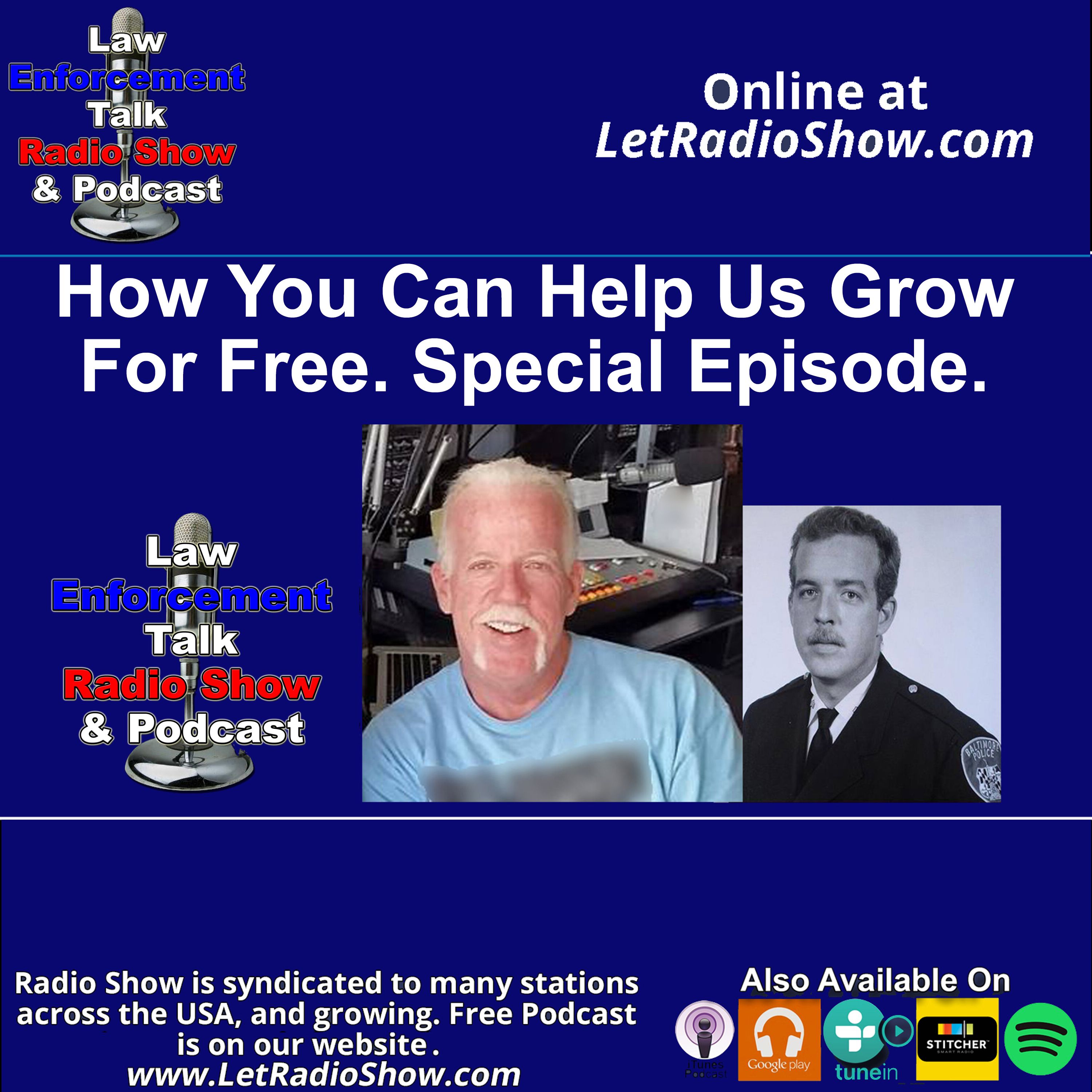
The Law Enforcement Talk Radio Show and Podcast, hosted by retired Baltimore Police Sergeant John J. “Jay” Wiley, gives those stories a national platform. Click here to listen to a few episodes of the podcast for free.
It is more than a police podcast. It is a show about courage, trauma, crime, survival, recovery, and life after serving on the front lines. The program features honest conversations with law enforcement officers, firefighters, military veterans, survivors of violent crime, and the families whose lives have been forever changed.
These are not carefully rehearsed sound bites. They are personal accounts from people who lived through extraordinary events and are willing to talk about what happened afterward.
Real Stories From the People Who Lived Them
News reports often focus on what happened during a critical incident. They may explain where it occurred, how many people were injured, and whether an arrest was made.
But what happens after the cameras leave?
What happens to a police officer who survives being shot?
How does a firefighter rebuild life after a career-ending injury?
What does an undercover officer experience when an operation suddenly turns violent?
How does a family cope after losing a loved one in the line of duty?
The Law Enforcement Talk Radio Show and Podcast explores those questions by speaking directly with the people involved. Guests describe the incidents that changed their lives, but the conversation does not stop there. They also discuss the physical injuries, emotional trauma, financial struggles, damaged relationships, and difficult recoveries that followed.
Some stories involve police officers who survived shootings, stabbings, vehicle attacks, riots, ambushes, or violent confrontations. Others feature investigators who pursued serial killers, drug traffickers, kidnappers, gang members, organized crime figures, and sexual predators.
The show also highlights survivors who found a way forward after devastating loss.
Their stories are often heartbreaking, sometimes shocking, and frequently inspiring.
A Different Kind of True Crime Podcast
True crime is one of the most popular forms of entertainment, but real crimes are not entertainment for the people who experience them.
The Law Enforcement Talk Radio Show and Podcast examines true crime through the eyes of police officers, investigators, victims, and survivors. Listeners hear how cases actually developed, how evidence was uncovered, and how dangerous investigations affected the people responsible for solving them.
Guests have discussed homicide investigations, kidnappings, armed standoffs, undercover operations, drug raids, domestic violence murders, mass shootings, serial offenders, terrorism, and organized crime.
The program goes beyond the simplified versions often presented on television and social media. It explores the uncertainty, pressure, and consequences that come with real police work.
There are no scripts when an officer walks into a dangerous situation. Decisions may have to be made in seconds, often with limited information. Even when an officer survives, the psychological effects can last for decades.
By allowing experienced professionals to explain those realities in their own words, the podcast gives listeners a deeper understanding of law enforcement and the criminal justice system.
Police Trauma, PTSD, and the Injuries People Cannot See
One of the show’s most important subjects is trauma.
Police officers, firefighters, emergency dispatchers, corrections officers, and military veterans are repeatedly exposed to violence, death, serious injuries, and human suffering. They may witness more tragedy during one shift than most people encounter in a lifetime.
Yet many first responders are expected to finish the call, complete the paperwork, and report for the next shift as if nothing happened.
The effects can accumulate.
Post-traumatic stress disorder, anxiety, depression, sleep problems, anger, addiction, isolation, and suicidal thoughts can follow first responders long after a critical incident ends. Unfortunately, many are reluctant to ask for help because they fear judgment, career consequences, or being viewed as weak.
The Law Enforcement Talk Radio Show and Podcast confronts those issues directly.
Guests speak honestly about their symptoms, mistakes, treatment, and recovery. Some describe reaching a point where they nearly lost everything. Others explain how counseling, faith, peer support, family, service dogs, horses, fitness, writing, or helping others gave them a reason to keep moving forward.
These conversations carry an important message:
Seeking help is not weakness. Recovery is possible, and no one should have to fight alone.
The Families Behind the Badge
A law enforcement career affects far more than the person wearing the uniform.
Spouses and children also live with missed holidays, interrupted dinners, canceled plans, overnight shifts, court appearances, emergency callouts, and the constant possibility that their loved one may not come home.
When an officer is injured or killed, the family’s life can change instantly.
The show gives police families, widows, survivors, and advocates an opportunity to tell their side of the story. Their experiences reveal the sacrifices made behind the scenes and the lasting impact that law enforcement service can have on an entire household.
These conversations help listeners understand that there is always a family behind the badge.
Life After a Law Enforcement Career
Eventually, every police career ends. For some, retirement arrives after decades of service. For others, it comes suddenly because of an injury, illness, trauma, or administrative decision.
The transition can be far more difficult than expected.
Police work often becomes a major part of an officer’s identity. The job provides structure, responsibility, purpose, and a strong connection with other officers. When that disappears, retired officers may struggle to determine what comes next.
Host John Jay Wiley understands that transition personally.
After serving as a Baltimore Police Sergeant, injuries from an act of violence forced him into medical retirement. The loss of his police career affected his health, income, identity, confidence, and sense of direction.
He eventually discovered that the skills developed in police work could transfer into other professions. Communication, listening, leadership, observation, decision-making, and the ability to remain calm under pressure became valuable tools in sales, business, broadcasting, and interviewing.
Wiley began his radio career at age 44 and later created the Law Enforcement Talk Radio Show and Podcast in 2017.
His experience shapes the program’s approach. He understands the culture of law enforcement, but he also understands what it feels like when the badge comes off and an entirely new life must begin.
That perspective allows guests to speak openly with someone who recognizes the realities of the profession.
Stories of Survival and Reinvention
Although the show addresses violence, crime, and trauma, it is ultimately about much more than tragedy.
It is about what people do next.
Many guests have survived experiences that could have destroyed them. Some lost their careers. Others suffered permanent injuries, developed serious health conditions, battled addiction, or struggled with PTSD.
Their journeys demonstrate that a person’s most painful chapter does not have to be the final chapter.
Former officers have become authors, business owners, advocates, trainers, speakers, broadcasters, and nonprofit leaders. Survivors have transformed their trauma into a mission to help others. Families have created organizations to honor loved ones and prevent future tragedies.
The road back is rarely easy or direct. That honesty is one of the program’s greatest strengths. Guests do not pretend that recovery happened overnight. They discuss the setbacks along with the victories.
Their stories can offer hope to listeners facing struggles of their own.
Who Is the Show For?
The Law Enforcement Talk Radio Show and Podcast appeals to a wide audience, including:
Active and retired law enforcement officers
Firefighters, paramedics, and emergency dispatchers
Corrections and detention professionals
Military members and veterans
Police spouses and families
Survivors of violent crime
True crime listeners
People interested in leadership, resilience, and recovery
Members of the public who want to understand the realities of police work and, or rebuilding lives after trauma.
No law enforcement background is required.
The stories are told in a way that allows the general public to understand the incidents, the people involved, and the lasting consequences.
A National Radio Show With a Worldwide Podcast Audience
The Law Enforcement Talk Radio Show is nationally syndicated on 150 AM and FM radio stations, reaching markets with a combined population of more than 48 million people.
The podcast makes the program available far beyond traditional radio. Episodes can also be heard o their website and through major platforms such as Apple Podcasts, Spotify, iHeartRadio, and other popular podcast services.
Video episodes and additional content are also shared on YouTube, Facebook, Instagram, LinkedIn, and other social media platforms**.
This combination of radio, podcasting, video, and social media allows the guests’ stories to reach people across the United States and around the world.
Why These Conversations Matter
Public discussions about law enforcement are often reduced to arguments, headlines, and political talking points. The people behind the stories can easily disappear.
The Law Enforcement Talk Radio Show and Podcast puts the human experience back into the conversation.
It does not claim that every officer, agency, or decision is perfect. Instead, it provides space for honest discussions about bravery, mistakes, leadership, injustice, accountability, sacrifice, and recovery.
Listeners hear what it is like to face danger, live with the consequences, and attempt to rebuild afterward.
Some episodes may change the way people view police officers and first responders. Others may help listeners recognize signs of trauma in themselves or someone they love. And some may simply remind a struggling person that life can still have meaning after a devastating loss.
Much More Than a Police Podcast
So, what is the Law Enforcement Talk Radio Show and Podcast all about?
It is about the realities hidden behind the badge.
It is about police officers who ran toward danger, survivors who refused to surrender, and families who carried burdens that most people never saw.
It is about violent crime and the investigators who pursued justice.
It is about trauma, PTSD, addiction, injury, grief, and the long road toward recovery.
Most importantly, it is about people whose lives were changed forever and the courage it took for them to tell their stories.
The uniform may be part of the story, but the human being wearing it is always at the heart of the conversation.
🎧 Listen to the Law Enforcement Talk Radio Show and Podcast on Apple Podcasts, Spotify, iHeartRadio, YouTube, and other major platforms.
Follow the show on Facebook, Instagram, LinkedIn, and YouTube for new episodes, true crime stories, law enforcement news, and powerful conversations about survival and recovery.

Radio Show Host and Producer
Retired from the Baltimore Police Department at the rank of Sergeant. He was retired early due a permanent line of duty injury that occurred during an act of violence. The injury resulted in 3 surgeries, two steel plates and a fusion of his right wrist and thumb.
About 8 years after retiring from police work, he began a career in the audio broadcasting space. Starting with "audio-blogs" in 1999. Which progressed into a brokered once a week radio show and then led to broadcasting school.
After graduating he has been a full time FM radio personality and launched the Law Enforcement Today Show as a podcast in March of 2017. This was in a partnership with Law Enforcement Today's Robert Greenberg. The show was quickly recruited by radio and is a nationally syndicated radio show, broadcasting weekly on many US Radio Stations to millions of people.
The partnership with them ended in the Summer of 2023 and the show was renamed the Law Enforcement Talk Radio Show and Podcast.
The radio show is syndicated by Talk Media Network. Go to the Radio Page of the site for more information.
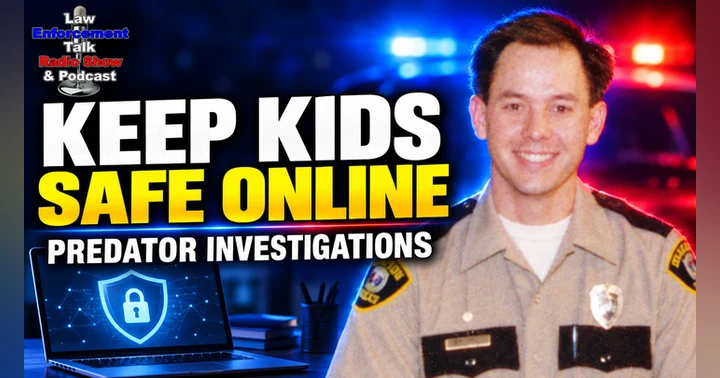
How to Talk to Kids About Online Predators: A Parent's Guide