How to Rebuild Your Career After a Chronic Illness Diagnosis
Navigating a chronic illness diagnosis while managing the psychological trauma of losing a professional identity is one of life's most challenging transitions. When health crises force professionals out of demanding fields like healthcare or emergency services, the journey back to the workforce requires patience, mindset shifts, and intentional reinvention. This guide explores actionable strategies to rebuild your career, manage career-change trauma, and find unexpected success after a life-altering medical diagnosis.
Key Takeaways
- A forced career change due to chronic illness triggers profound professional grief that must be actively acknowledged and processed.
- Time away from the traditional workforce can be repurposed for continuous learning, mental preparation, and exploring unexpected industries.
- Core competencies developed in demanding careers, such as healthcare or nursing, translate effectively into executive leadership and entrepreneurial roles.
- Transferable skills and empathy built during personal trauma make professionals uniquely equipped to connect with clients in client-facing sectors like real estate.
- Resilience is built by recognizing that a medical diagnosis redirects a career path without eliminating long-term professional value or purpose.
The Hidden Trauma of Losing a Career to Illness
For many professionals, especially registered nurses, first responders, and military personnel, a career is not merely a source of income. It is a core pillar of personal identity, a deep sense of service, and a daily community. When an autoimmune condition, physical injury, or chronic illness abruptly halts that trajectory, the psychological impact can mimic traditional grief. The sudden transition from active provider to patient often brings feelings of isolation, inadequacy, and profound loss.
Acknowledging this trauma is the crucial first step toward recovery. Suppressing the frustration of physical limitations or the grief of a derailed career only prolongs stagnation. Accepting that your previous chapter has closed, while honoring the value of the work you accomplished—creates the emotional bandwidth necessary to design a new professional future.
Navigating the Waiting Period
Many individuals dealing with sudden health restrictions face extended periods outside the active workforce. During this transitional season, it is easy to fall into the trap of feeling unproductive. However, proactive individuals use this downtime as a strategic incubation period. By consuming industry literature, studying leadership methodologies, and listening to motivational teachings, you can actively sharpen your mind even when your physical body requires rest.
Transferring Clinical and First Responder Skills to Executive Leadership
One of the most remarkable career pivots involves transitioning from hands-on care or frontline service into high-level administration and executive management. For instance, former nurses who can no longer sustain the physical demands of bedside care often possess an intimate, grassroots understanding of operational workflows that traditional executives lack.
Bridging the Gap Between Patient and Provider
Experiencing a major health crisis provides a rare, dual perspective on industries like healthcare. When a former nurse steps into a leadership role, such as becoming the CEO of an ambulatory outpatient surgery center, they bring invaluable empathy and operational insight. They understand systemic bottlenecks from the perspective of both the clinician and the patient. This unique vantage point allows leaders to implement patient-centric policies, improve facility efficiencies, and foster deeper trust among staff and clients alike.
Reinventing Yourself in Client-Facing Industries Like Real Estate
Rebuilding a career after trauma rarely follows a straight line. Many professionals find that their second or third career acts bear little resemblance to their original calling. Entering industries like real estate sales requires mastering an entirely new set of competencies, including digital marketing, financial negotiation, and strategic networking.
However, the foundational traits forged during a career in healthcare or crisis response remain deeply relevant. Active listening, crisis management, emotional intelligence, and unwavering integrity are vital when guiding clients through major life transitions such as buying or selling a home. Real estate is rarely just a financial transaction; it is an emotional milestone. Professionals who have navigated personal trauma are uniquely equipped to provide calm, reassuring leadership to clients undergoing high-stress life changes.
Conclusion
Facing a severe health challenge or career-ending trauma can feel like an insurmountable ending. Yet, as demonstrated by inspiring leaders who have walked this path, physical limitations do not dictate your ultimate professional potential. By reframing setbacks as preparation for an unexpected future, professionals can successfully pivot, lead, and thrive in entirely new domains.
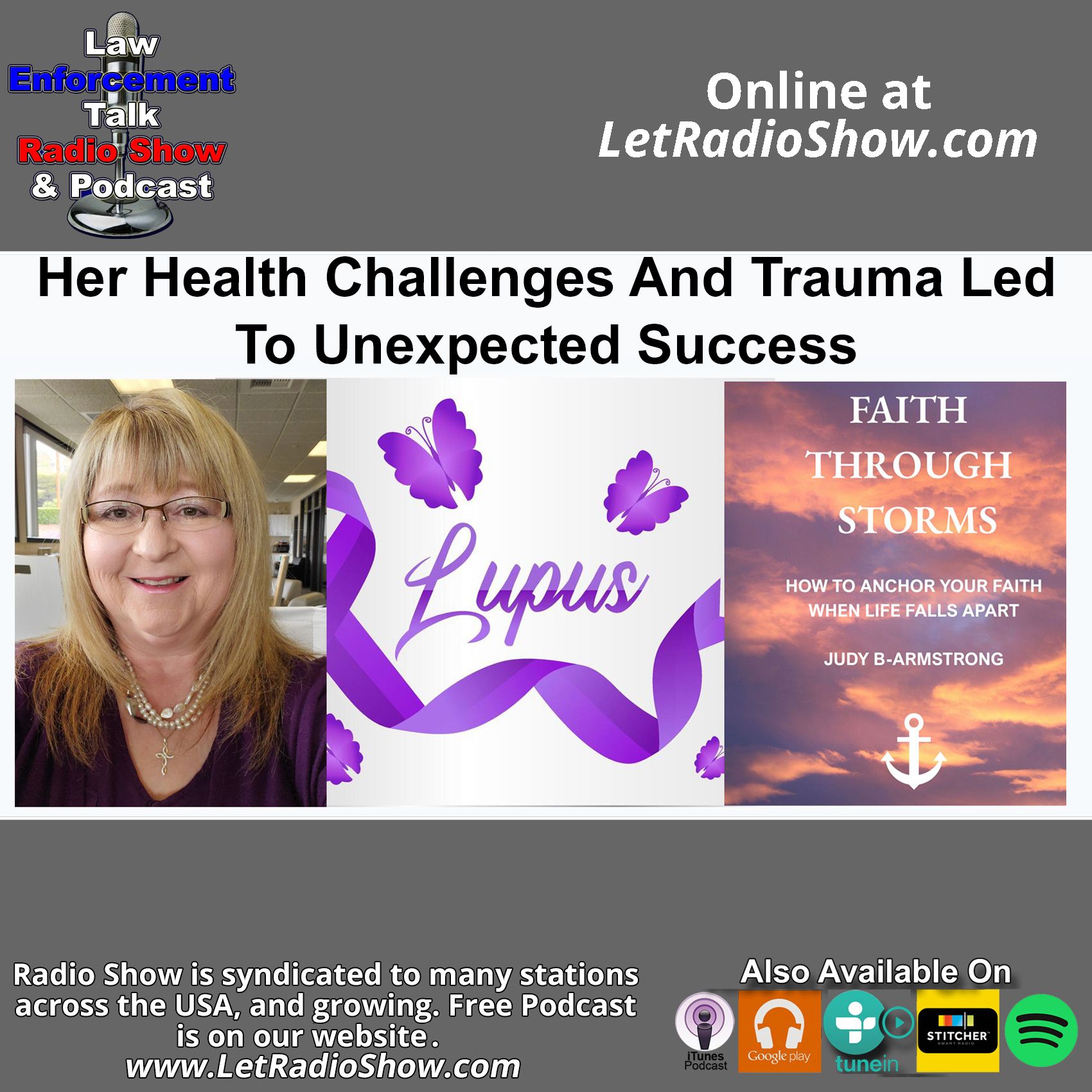
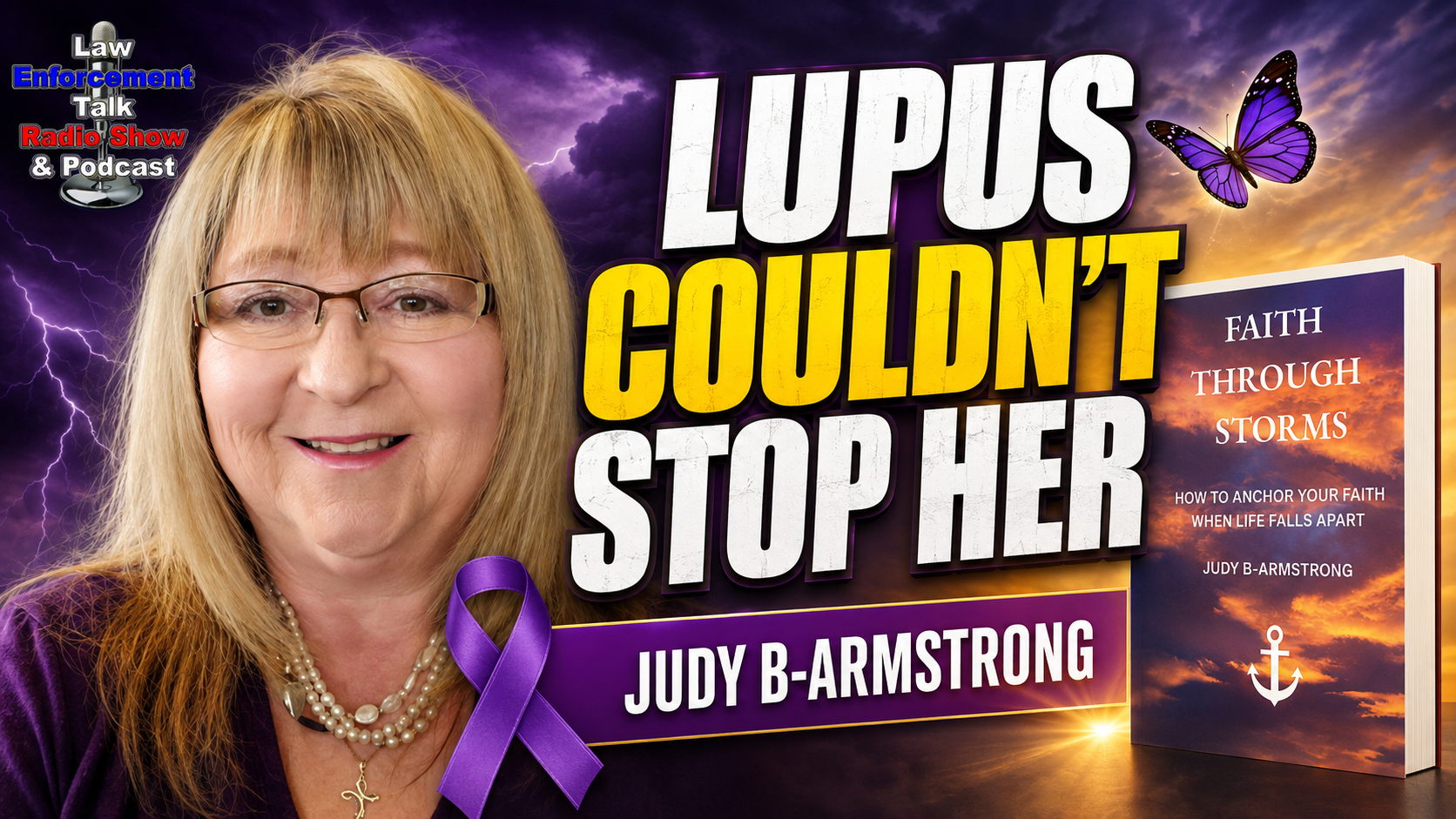
To hear an in-depth conversation about overcoming health crises, processing career trauma, and finding unexpected success through faith and resilience, Listen to the full episode of the Law Enforcement Talk Radio Show and Podcast.
Frequently Asked Questions
How do you cope with the emotional trauma of a forced career change due to illness?
Coping with forced career changes requires acknowledging the grief and loss associated with leaving a beloved profession. Processing these emotions, seeking support from mentors or faith communities, and separating your self-worth from your job title are essential steps in emotional recovery.
Can skills from a medical or first responder career transfer to corporate leadership?
Yes. Frontline professionals develop exceptional crisis management, high-stress decision-making, and deep empathy. When combined with continuous learning, these competencies provide a strong foundation for executive roles, healthcare administration, and operational management.
What industries are ideal for professionals transitioning out of physically demanding careers?
Professionals leaving physically demanding roles often excel in healthcare administration, project management, consulting, coaching, and client-facing advisory roles such as real estate sales, where interpersonal communication and trustworthiness are paramount.
How can a long absence from the workforce be utilized productively?
An extended absence due to health can be used as a preparation season. Professionals can study leadership literature, acquire digital certifications, consume motivational teachings, and mentally map out new career directions without the pressure of immediate execution.

Radio Show Host and Producer
Retired from the Baltimore Police Department at the rank of Sergeant. He was retired early due a permanent line of duty injury that occurred during an act of violence. The injury resulted in 3 surgeries, two steel plates and a fusion of his right wrist and thumb.
About 8 years after retiring from police work, he began a career in the audio broadcasting space. Starting with "audio-blogs" in 1999. Which progressed into a brokered once a week radio show and then led to broadcasting school.
After graduating he has been a full time FM radio personality and launched the Law Enforcement Today Show as a podcast in March of 2017. This was in a partnership with Law Enforcement Today's Robert Greenberg. The show was quickly recruited by radio and is a nationally syndicated radio show, broadcasting weekly on many US Radio Stations to millions of people.
The partnership with them ended in the Summer of 2023 and the show was renamed the Law Enforcement Talk Radio Show and Podcast.
The radio show is syndicated by Talk Media Network. Go to the Radio Page of the site for more information.
Beyond 'I'm Fine': How Cops Hide Trauma Behind Extreme Fitness