Inside the Dangerous Double Life of a DEA Confidential Informant
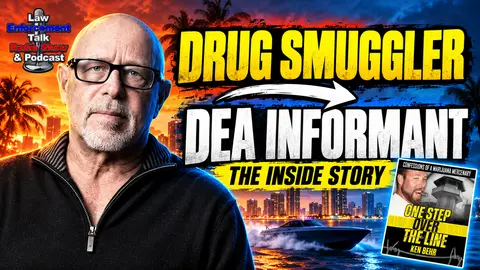
Stepping out of the illicit world of international drug smuggling and into the high-stakes realm of federal cooperation requires navigating a terrifying tightrope of deception. When facing decades behind bars, some high-level offenders choose to become confidential informants, trading insider knowledge of trafficking routes for a second chance at freedom while enduring the intense psychological burden of a dangerous double life.
Key Takeaways
- Confidential informants face immense psychological pressure maintaining a double life among former criminal associates.
- Facing a mandatory 25-year minimum prison sentence serves as the primary catalyst for agreeing to cooperate with the DEA..
- Navigating familiar territory while secretly working for federal agents introduces extreme physical danger and constant paranoia.
- Cooperation fundamentally alters an individual's relationship with their entire past, forcing a total reinvention after the case concludes.
The Reality of Cooperating with Federal Authorities
The decision to flip from being an active participant in illicit South Florida smuggling rings to working alongside federal agents does not happen in a vacuum. For career smugglers who spent decades moving massive quantities of contraband via aircraft, boats, and covert landing strips, the criminal justice system eventually catches up. When multiple arrests pile up and a federal indictment threatens a mandatory minimum sentence of 25 years or more, the calculus changes drastically.
Cooperation is rarely born out of sudden moral clarity. Instead, it is a pragmatic, survival-driven choice made under the oppressive weight of impending incarceration. However, making that choice is only the first step. Once a criminal agrees to sign on as a confidential source, they enter a bizarre, liminal space where they belong to neither the criminal underworld nor the law enforcement community.
The Psychology and Paranoia of the Double Life
Maintaining a dual existence while actively assisting federal investigators demands an extraordinary level of psychological resilience and cold-blooded composure. A confidential informant often has to continue moving through social circles and operational environments filled with armed, unpredictable traffickers.
Every conversation carries a lethal subtext. Every casual question from an old associate feels like a probe into whether your cover has been compromised. The psychological toll of living on the edge of exposure manifests as chronic hypervigilance. You are essentially playing a high-stakes poker game where your life is the ante, and the other players do not know you are secretly working for the house. This constant pressure burns out many informants long before their active cooperation period officially concludes.
Insider Knowledge Versus Law Enforcement Tactics
Federal agencies like the Drug Enforcement Administration excel at broad surveillance, financial tracking, and interdiction. However, breaking open sophisticated international networks often requires a level of tactical geography that only an insider possesses. Smugglers understand the subtle rhythms of coastal waterways, the specific logistics of unloading aircraft in remote Everglades airstrips, and the interpersonal dynamics that hold trafficking rings together.
Bridging the Gap in Major Investigations
When an informant enters the picture, they bridge the gap between abstract federal intelligence and concrete operational targets. They know who can be trusted, who is looking to expand operations, and where vulnerabilities lie within the supply chain stretching from South America and the Caribbean into the United States. Translating that experiential knowledge into actionable intelligence is precisely what makes a cooperating source valuable to federal prosecutors.
Life After the Informant Chapter Concludes
The termination of a cooperation agreement does not signal a return to normalcy. Successfully navigating a two-year stint as a DEA informant leaves an indelible mark on a person's identity. Once the federal cases conclude, the targets are prosecuted, and the court dockets are closed, the individual must figure out how to exist in a world they spent years manipulating and betraying.
Many former informants must completely sever ties with their past geography, social networks, and habits. The fast life defined by cigarette boats, racing cars, and illicit profits ultimately gives way to a quiet, often isolated existence focused entirely on survival and reinvention. Understanding this arc provides a sobering look at the true cost of entering the upper echelons of the drug trade.
Conclusion
The journey from international drug smuggler to federal informant illustrates the high-stakes reality of the South Florida drug era and its eventual legal reckoning. While the fast cars and covert airstrips capture public imagination, the true story lies in the psychological burden of betrayal and the desperate choice to trade decades in prison for a chance at a new life. To hear more about these gripping experiences and the inside story of South Florida's smuggling underworld, Listen to the full episode and explore the detailed accounts shared on the show.
Frequently Asked Questions
What forces an international drug smuggler to become a DEA informant?
Most smugglers agree to cooperate with federal authorities only when facing overwhelming criminal exposure, such as racketeering charges carrying mandatory minimum sentences of 25 years or more in federal prison.
How dangerous is it to work as a confidential informant for the DEA?
Operating as a confidential informant is exceptionally dangerous because informants must navigate their previous criminal circles without blowing their cover. A single slip-up or suspicion from trafficking associates can result in severe retaliation.
What is the difference between a DEA agent and a confidential informant?
A DEA agent is a sworn federal law enforcement officer with official training, badges, and arrest powers. A confidential informant is typically a civilian or former criminal who trades cooperation and insider knowledge for lenience on their own criminal charges.
How long do most confidential informants work on major drug investigations?
The duration varies based on the scope of the target networks, but intensive cooperation often spans a period of months to several years, during which the informant assists federal agents in mapping out supply chains and international shipments.
Beyond 'I'm Fine': How Cops Hide Trauma Behind Extreme Fitness