Beyond 'I'm Fine': How Cops Hide Trauma Behind Extreme Fitness
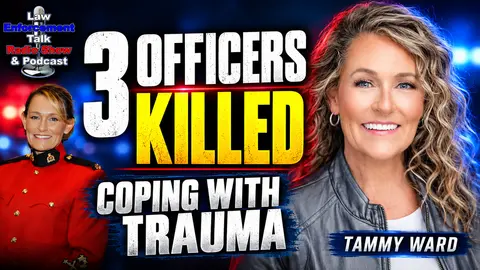
When law enforcement officers experience critical incidents, the phrase 'I'm fine' often acts as an emotional shield. In this deep dive, we examine how high-performing first responders mask severe operational trauma behind extreme physical discipline and excessive exercise routines, creating a dangerous cycle of hidden distress and physical deterioration.
Key Takeaways
- The phrase 'I'm fine' frequently serves as a defense mechanism that effectively terminates crucial mental health conversations among law enforcement personnel.
- Excessive fitness regimens, such as intense distance running, can transition from healthy coping tools into physical manifestations of unaddressed trauma.
- Visible competence in leadership roles often masks intense internal psychological struggles, making peer-to-peer and leader support difficult to initiate.
- True resilience in policing requires moving past platitudes and fostering environments where officers can speak honestly about psychological pain.
The Dangerous Facade of Occupational Composure
Law enforcement culture historically emphasizes strength, emotional control, and relentless reliability. When tragedy strikes, such as the harrowing 2014 Moncton, Canada, shooting that claimed the lives of three Royal Canadian Mounted Police officers and wounded two others, the immediate institutional demand is continuity. Units must still field calls, protect communities, and maintain order. For leaders tasked with steering grieving teams, the pressure to project absolute stability is immense.
During such crises, officers who step up to lead often suppress their own visceral reactions to trauma. They become pillars of strength for their peers, listening to others and managing operational requirements while completely neglecting their own internal wounds. This dynamic creates a dangerous paradox: the more capable an officer appears on the outside, the less likely anyone is to question their internal stability. Outward competence effectively functions as a camouflage for acute psychological distress.
Why 'Fine' is the Other F-Word
Communication in high-stress professions tends to favor brevity and efficiency. When a colleague asks how someone is holding up after a critical incident, the automatic reply is almost universally, 'I'm fine.' This two-word response is a conversational terminator. It signals to the inquirer that no further probing is welcome or necessary, thereby preserving the protective wall the struggling officer has built.
Unfortunately, this linguistic reflex prevents authentic human connection. Mental health advocates emphasize that leadership within emergency services must transition from asking passive, superficial questions to actively engaging in direct, compassionate dialogue. Instead of talking about a struggling individual behind their back, leaders and peers must talk directly to them, creating a safe space where an honest answer other than 'fine' is permissible and expected.
When Coping Mechanisms Mask Distress
Healthy outlets are vital for processing trauma, but even positive habits can become problematic when driven by unhealed psychological wounds. Physical fitness is widely encouraged in policing as a stress-relief mechanism. However, relying excessively on physical exertion to outrun emotional pain often leads down a destructive path.
Consider the trajectory of physical coping strategies after monumental losses. An officer accustomed to high-discipline environments might throw themselves into rigorous daily workouts, intense distance running, or extreme physical conditioning. On the surface, colleagues and supervisors view this dedication to fitness as exemplary behavior. Beneath the surface, however, the relentless mileage or grueling gym sessions can be a physical manifestation of anxiety, hyperarousal, and avoidance.
The Physical Toll of Hidden Grief
When the human body is subjected to chronic, unprocessed psychological trauma alongside extreme physical demands without adequate rest or nutritional support, systems begin to fail. Dangerous weight loss, hormonal depletion, chronic fatigue, and physical deterioration frequently accompany the psychological strain. Because the outward activity looks like a positive commitment to health, the underlying deterioration is often overlooked until a medical or emotional crisis occurs.
Recognizing this pattern requires a cultural shift in how first responder agencies evaluate wellness. True physical health cannot be separated from mental health. An intense fitness routine fueled entirely by an attempt to outrun grief is not a sustainable wellness strategy, it is simply another form of concealment.
Redefining Resilience in Law Enforcement
Resilience is frequently misunderstood in tactical environments as the ability to absorb endless trauma without breaking. True resilience, however, incorporates vulnerability, self-awareness, and the courage to seek help before a crisis forces the issue. Building a sustainable career in public safety means dismantling the expectation that officers must be impervious to human suffering.
Agencies and individual personnel must learn to spot the red flags that hide in plain sight. A spotless uniform, a demanding workout schedule, and a ready smile do not guarantee emotional well-being. By fostering cultures of genuine peer support and discarding the conversational trap of 'I'm fine,' the law enforcement community can better protect those who spend their lives protecting others.
Conclusion
The journey from operational trauma to genuine healing demands honesty, both with oneself and with trusted peers. While fitness and discipline have their place, they cannot replace authentic emotional processing and mental health support. To explore this vital topic further and hear firsthand accounts of navigating deep trauma and recovery within the ranks, Listen to the full episode. Tune in to gain deeper insights into breaking the silence and supporting the mental wellness of our first responders.
Frequently Asked Questions
Why do police officers often say they are 'fine' after a critical incident?
The phrase 'fine' acts as a defensive conversational shield. Officers use it to maintain operational composure, avoid burdening colleagues, and prevent uncomfortable inquiries into their emotional state.
How can excessive exercise become a negative coping mechanism?
While physical fitness is generally healthy, using intense workouts or extreme running routines solely to outrun unhealed trauma can lead to severe physical deterioration, chronic fatigue, and ignored psychological distress.
What makes leadership difficult for officers immediately following a tragedy?
Leaders in tactical environments are often tasked with holding a grieving unit together and maintaining public safety while processing their own personal shock and grief from the same traumatic event.
How can peers and supervisors better support struggling first responders?
Supporters should move past superficial check-ins by talking directly to the individual rather than about them, creating psychologically safe environments where honesty is welcomed over automatic reassuring phrases.
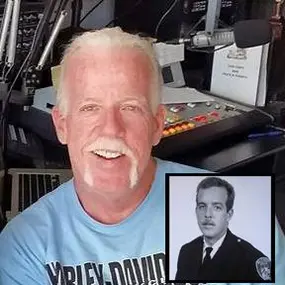
Radio Show Host and Producer
Retired from the Baltimore Police Department at the rank of Sergeant. He was retired early due a permanent line of duty injury that occurred during an act of violence. The injury resulted in 3 surgeries, two steel plates and a fusion of his right wrist and thumb.
About 8 years after retiring from police work, he began a career in the audio broadcasting space. Starting with "audio-blogs" in 1999. Which progressed into a brokered once a week radio show and then led to broadcasting school.
After graduating he has been a full time FM radio personality and launched the Law Enforcement Today Show as a podcast in March of 2017. This was in a partnership with Law Enforcement Today's Robert Greenberg. The show was quickly recruited by radio and is a nationally syndicated radio show, broadcasting weekly on many US Radio Stations to millions of people.
The partnership with them ended in the Summer of 2023 and the show was renamed the Law Enforcement Talk Radio Show and Podcast.
The radio show is syndicated by Talk Media Network. Go to the Radio Page of the site for more information.
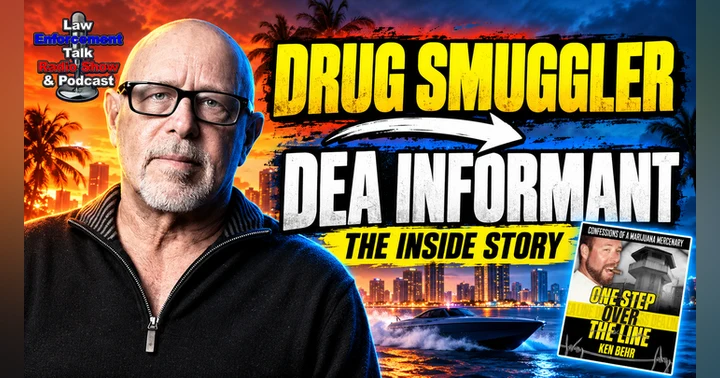
Inside the Dangerous Double Life of a DEA Confidential Informant