Why Active Listening is the Ultimate Secret Weapon for Former Police Officers Transitioning to Sales
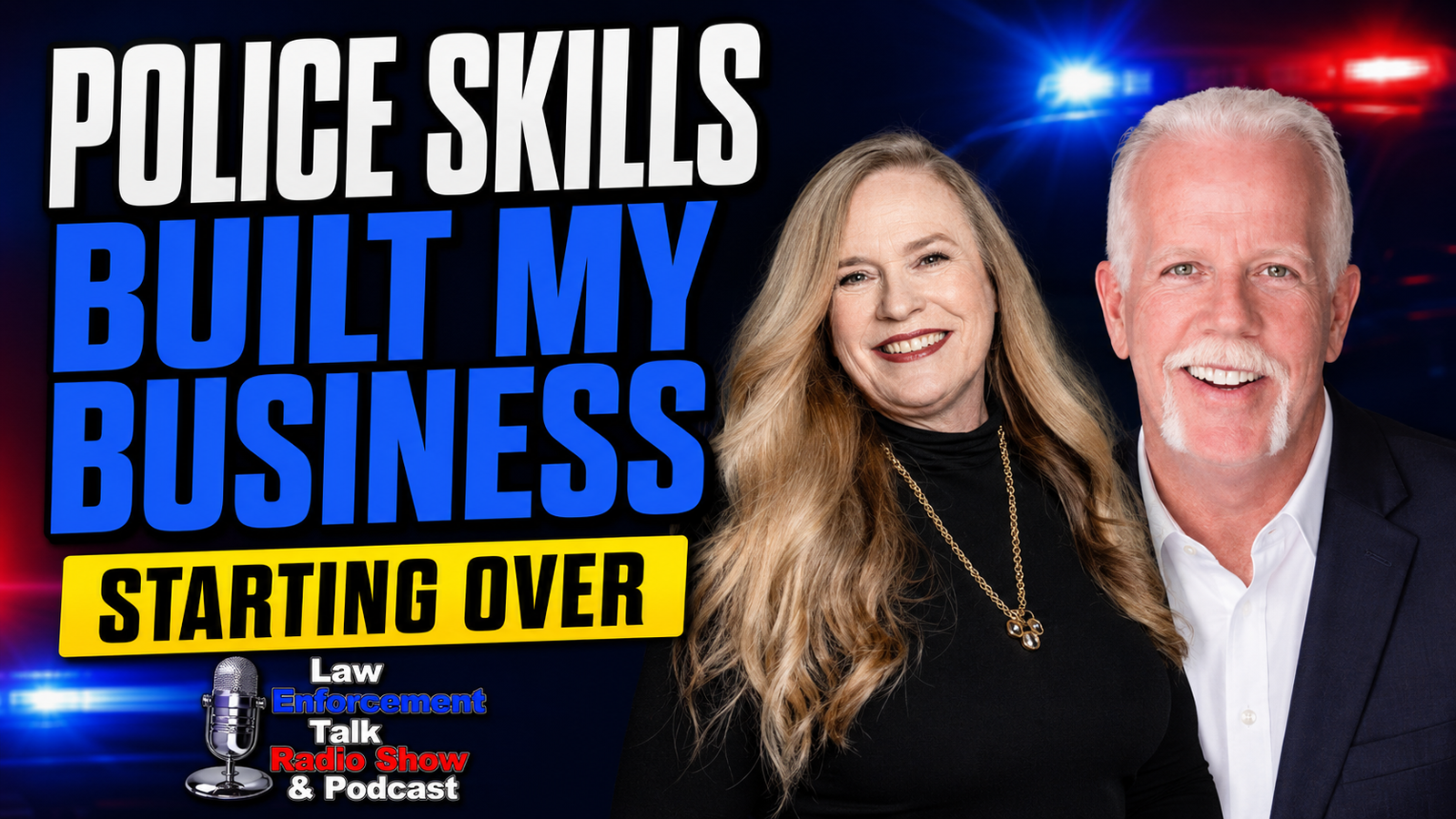
Police skills transferred to sales and built my business. Discover how the high-stakes communication methods developed by police officers in the line of duty translate directly into closing deals in the corporate sales world. This deep dive explores how active listening, emotional control, and human behavior analysis allow former law enforcement professionals to excel in modern business environments without ever needing a traditional corporate background.
Listen to the full episode to hear the raw, firsthand experiences of career reinvention.
Key Takeaways
- Police work teaches officers to read nonverbal cues, tone, and body language during high-stress encounters, which directly translates to understanding customer needs in sales.
- Active listening is often far more valuable than aggressive speaking when attempting to build trust and solve complex problems for clients.
- Forced career transitions, such as medical retirements, require professionals to strip away their former titles and focus on transferring core interpersonal abilities.
- Mastering human behavior under pressure gives former first responders an unexpected advantage in corporate negotiation and client retention.
The Surprising Overlap Between Law Enforcement and Sales
At first glance, patrolling city streets and closing corporate B2B contracts appear to occupy entirely different universes. One involves maintaining public safety, responding to volatile emergencies, and enforcing the law, while the other centers around consumer pain points, product demonstrations, and driving revenue. Yet, beneath the surface level of job descriptions lies a shared core competency: the science of human interaction.
When an officer interacts with citizens, suspects, victims, and witnesses, they are rarely operating in a vacuum. They are constantly evaluating personalities, assessing threat levels, and attempting to de-escalate emotional volatility. In sales, professionals face a remarkably similar psychological landscape. A prospective buyer may be guarded, skeptical, stressed, or uncertain about committing resources. The ability to read the room, understand underlying hesitations, and establish immediate rapport is just as critical in a corporate boardroom as it is on a volatile roadside call.
Shifting From Authority to Trust
When a police officer transitions into the private sector, particularly into sales or client-facing roles, they often face a humbling reality check: their former rank, badge, and authority no longer carry automatic weight. In law enforcement, compliance can sometimes be achieved through the structure of the uniform and the legal backing of the position. In the business world, compliance and cooperation must be earned entirely through influence, empathy, and demonstrated value.
This forced shift requires a reinvention of communication style. Former officers quickly learn that pushing authority onto a prospective client is a recipe for failure. Instead, they must lean heavily on the consultative aspects of their training, asking precise questions, validating concerns, and guiding the other person toward a logical conclusion rather than demanding one. This humility is precisely what makes former first responders exceptionally effective consultative sales professionals.
The Power of Active Listening in High-Stakes Environments
Pop culture often depicts police work as a series of high-speed chases and dramatic confrontations. In reality, the vast majority of policing is built on communication. Officers spend countless hours listening to conflicting stories, calming frantic individuals, and sorting through chaotic environments to find the underlying truth. This requires a level of active listening that few other professions demand.
In sales, amateur professionals make the mistake of talking too much, pitching features, reciting scripts, and trying to dominate the conversation. Veteran sales closers, much like seasoned police investigators, know that the person doing the listening is usually the one in control. By paying close attention to micro-expressions, shifts in vocal tone, and unspoken hesitations, former officers can uncover the real objections a client is hesitant to voice.
Listen to the full episode to hear the raw, firsthand experiences of career reinvention.
Listening For What Is Not Said
One of the most valuable tactical skills transferred from police work to business is situational awareness regarding what is left unsaid. When interviewing a witness or speaking with a nervous citizen, an officer learns that silence is often a vacuum waiting to be filled with truth. Rather than rushing to fill awkward pauses with chatter, effective communicators allow the silence to work for them.
In a business negotiation or a sales pitch, implementing this exact tactic can completely change the dynamic. When a client expresses a vague objection, the instinct of an untrained salesperson is to immediately defend their product. A retired-cop turned salesperson is far more likely to pause, let the client elaborate, and listen for the deeper emotional driver behind the hesitation. This approach transforms a transactional pitch into a trusted advisory relationship.
Overcoming Identity Loss During Career Reinvention
For many individuals who enter public service, the job does not remain just a paycheck; it becomes an inseparable part of their personal identity. When an unexpected event, such as a line-of-duty injury or forced medical retirement, abruptly ends that career, the psychological toll can be devastating. Stripping away the uniform means losing the daily structure, the protective community, and the immediate sense of purpose that the badge provided.
Reinventing oneself in the business world requires separating innate human capabilities from a job title. An injured officer is no longer able to strap on a duty belt, but they have not lost the discipline, resilience, and analytical judgment forged over years of service. Translating those internal strengths into corporate value is the key to surviving and thriving after an unwanted career pivot.
Embracing Humility as a Beginner
Entering the business world after years of leadership and operational autonomy in law enforcement can feel disorienting. Former officers are accustomed to making split-second decisions that carry heavy consequences. Entering a new industry means becoming a beginner again, learning unfamiliar corporate terminology, adapting to new software, and accepting guidance from managers who may be younger or have entirely different life experiences.
This stage demands immense humility. Those who succeed in bridging the gap between policing and business understand that their past achievements give them a strong foundation, but they still must put in the unglamorous daily work of mastering a new craft. Consistency, patience, and a willingness to learn replace the familiar routine of the shift schedule.
Conclusion
The journey from public service to private sector success proves that a career can end without a person's core value ending with it. By leveraging foundational skills like active listening, emotional control, and human behavioral analysis, former law enforcement professionals can carve out highly successful second acts in sales, media, and entrepreneurship. If you want to dive deeper into how life-altering transitions can ultimately spark extraordinary new beginnings, Listen to the full episode to hear the raw, firsthand experiences of career reinvention.
Frequently Asked Questions
Why do former police officers often excel in sales roles?
Former police officers excel in sales because their background requires intense training in human behavior, de-escalation, emotional control, and active listening. These interpersonal abilities allow them to build immediate trust and navigate complex client interactions effectively.
How does active listening in law enforcement differ from regular conversation?
Active listening in policing involves evaluating stress levels, noting micro-expressions, listening for inconsistencies, and paying attention to tone and body language during high-stakes or emotionally charged encounters.
What is the biggest challenge when transitioning from policing to the business world?
The biggest challenge is often the psychological shift of losing a foundational identity tied to the badge and rank, combined with the humility required to become a beginner in an entirely new industry.
Can communication skills learned on the street really be applied in a corporate office?
Yes. The ability to communicate clearly with diverse personalities, manage conflicts under pressure, and read nonverbal cues transfers seamlessly to corporate management, negotiations, customer service, and sales.
Listen to the full episode to hear the raw, firsthand experiences of career reinvention.

Radio Show Host and Producer
Retired from the Baltimore Police Department at the rank of Sergeant. He was retired early due a permanent line of duty injury that occurred during an act of violence. The injury resulted in 3 surgeries, two steel plates and a fusion of his right wrist and thumb.
About 8 years after retiring from police work, he began a career in the audio broadcasting space. Starting with "audio-blogs" in 1999. Which progressed into a brokered once a week radio show and then led to broadcasting school.
After graduating he has been a full time FM radio personality and launched the Law Enforcement Today Show as a podcast in March of 2017. This was in a partnership with Law Enforcement Today's Robert Greenberg. The show was quickly recruited by radio and is a nationally syndicated radio show, broadcasting weekly on many US Radio Stations to millions of people.
The partnership with them ended in the Summer of 2023 and the show was renamed the Law Enforcement Talk Radio Show and Podcast.
The radio show is syndicated by Talk Media Network. Go to the Radio Page of the site for more information.
Coping With Survivor Guilt in Law Enforcement After Line-of-Duty Death