Coping With Survivor Guilt in Law Enforcement After Line-of-Duty Death
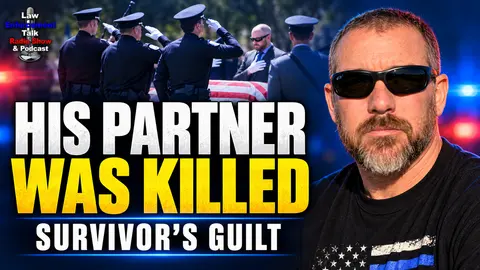
When a police officer survives a fatal gunfight that claims their partner, the physical battle ends, but a complex psychological struggle begins. This post explores the profound impact of survivor guilt in law enforcement, examining how surviving officers navigate trauma, process operational choices, and find a path forward after a line-of-duty tragedy.
Listen or read more, both are Free.
Key Takeaways
- Survivor guilt is a profound emotional response common among law enforcement officers who survive critical incidents where colleagues are killed.
- The aftermath of a line-of-duty death involves hidden mental health challenges that extend far beyond immediate physical recovery and tactical investigations.
- Processing trauma requires acknowledging both the operational realities of the event and the emotional burden of survival.
- Leadership and peer support systems are vital in helping officers transition from surviving a critical incident to achieving long-term mental wellness.
- Honoring a fallen partner involves carrying forward their positive personal legacies, such as daily habits of kindness and connection.
The Hidden Reality of Survivor Guilt in Policing
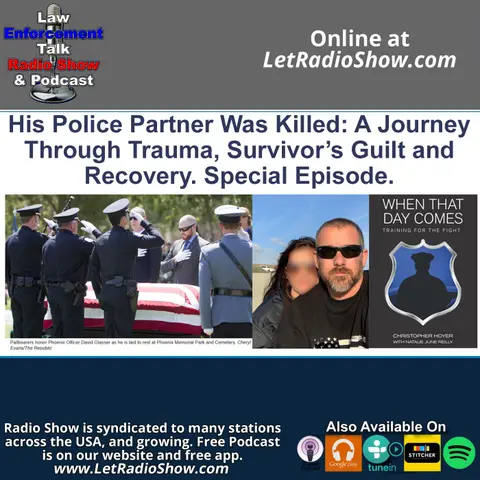
Public accounts of police shootings typically focus on the immediate tactical details: the location, the exchange of gunfire, and the physical outcome. However, these brief news reports rarely capture what happens to the surviving officer once the crime scene tape is removed. For officers like retired Phoenix Police Officer Chris Hoyer, who engaged a suspect in a deadly 2016 ambush that tragically claimed the life of his partner, Officer David Glasser, survival introduced an entirely new kind of battlefield.
Survivor guilt is a psychological phenomenon where an individual experiences severe distress and self-blame over surviving a traumatic event when someone else did not. In law enforcement, this guilt often intertwines with tactical analysis. Officers replay every second of the confrontation, questioning their positioning, speed, or decisions, even when they acted decisively to neutralize a lethal threat. This internal scrutiny can severely delay emotional healing if it remains unaddressed.
Why Tactical Training Leaves a Gap in Emotional Prep
Modern law enforcement training places immense focus on physical readiness, firearms proficiency, and tactical decision-making under stress. Officers drill extensively on how to respond when a call turns deadly. Yet, historically, very little institutional preparation has been dedicated to preparing officers for the psychological aftermath of taking a life or losing a partner in the line of duty.
Listen or read more, both are Free.
When an officer survives a lethal encounter, they are often expected to process complex trauma using the same stoic mindset that helped them survive the gunfight. This disconnect between physical survival and emotional processing creates a dangerous vacuum. Without structured support for survivor guilt, officers may internalize their grief, leading to isolation, anxiety, and prolonged psychological distress.
Navigating the Long Road to Recovery
Overcoming the trauma of a partner's death and the accompanying guilt is not a linear process. It requires active engagement with mental health professionals, peer support networks, and honest self-reflection. For many first responders, writing or sharing their stories becomes a crucial therapeutic outlet, transforming a private burden into a tool for collective education.
Recovery also involves redefining an officer's identity after a career-altering event. The constant hyper-vigilance required on the streets must eventually yield to an environment where vulnerability is accepted. Acknowledging that trauma affects everyone differently allows departments to build stronger wellness frameworks that treat psychological injuries with the same urgency as physical wounds.
Listen or read more, both are Free.
Preserving Legacy Amidst Grief
Amidst the heavy emotional toll of survivor guilt, finding meaningful ways to remember a fallen partner helps anchor the healing process. In the case of Officer David Glasser, his colleagues remember him not just for his sacrifice, but for his intentional habit of expressing care to those around him, often saying "love you" before leaving the squad room. Cultivating these positive connections provides a powerful counterweight to the darkness of critical incident trauma.
Conclusion
The journey through trauma, survivor's guilt, and recovery following the loss of a law enforcement partner is one of the most challenging trials an officer can face. By shining a light on these hidden mental health struggles, the law enforcement community can better support those who carry the invisible scars of duty. To hear a firsthand account of this journey and learn more about coping with critical incident trauma, Listen to the full episode.
Frequently Asked Questions
What is survivor guilt in law enforcement?
Survivor guilt occurs when a police officer experiences intense self-blame, emotional distress, and regret after surviving a critical incident or gunfight where a partner or colleague is seriously injured or killed.
How does critical incident trauma affect officers long-term?
Long-term effects can include chronic stress, anxiety, hyper-vigilance, and difficulties in personal relationships if the psychological impact of the event is not properly processed through counseling and peer support.
Why is peer support critical after a line-of-duty death?
Peer support provides a safe environment where surviving officers can speak openly with others who understand the unique cultural and emotional demands of the law enforcement profession, reducing feelings of isolation.
Can an officer act correctly tactically and still feel guilty?
Yes. Even when an officer takes all appropriate tactical actions to neutralize a threat, the emotional weight of a partner's death frequently triggers irrational self-blame and persistent survivor guilt.
Solo Construction Safety: Critical Protocols for Remote Job Sites