Solo Construction Safety: Critical Protocols for Remote Job Sites

Working alone on remote construction sites introduces profound survival challenges when accidents happen. Solo contractors must implement strict emergency communication plans, keep essential tools and phones accessible, and establish reliable check-in routines to mitigate the life-threatening risks of isolated job environments.
Listen to the full episode or Read More, both are Free.
Key Takeaways
- Working alone on remote job sites eliminates immediate access to coworkers for emergency response.
- Communication devices like phones or radios must always be kept within arm's reach, not stored high above or out of bounds.
- Comprehensive risk assessments help identify hidden hazards specific to isolated construction environments.
- Establishing a reliable check-in schedule with someone off-site can save lives during an unexpected accident.
The Hidden Dangers of Remote Isolation
When tradespeople and contractors take on projects in secluded areas, such as remote cabins, rural properties, or expansive undeveloped land, they often focus entirely on the physical labor ahead. However, geographic isolation changes the calculus of workplace safety completely. In a standard urban or suburban job site, a severe injury prompts an immediate shout for help, a swift call to 911, and rapid deployment of emergency medical services.
On a remote site, that safety net vanishes. If an operator suffers a catastrophic injury involving heavy machinery, power tools, or elevated platforms, every second counts. Blood loss, shock, and structural entrapment become immediate threats to life. Without a coworker standing nearby, the injured worker transitions instantly from a busy builder to an isolated survivor fighting against the clock.
Equipment Accessibility and Staging Mistakes
One of the most dangerous oversights in solo construction work is improper staging of life-saving equipment and communication devices. Contractors often place their cell phones, vehicle keys, or first-aid kits wherever convenient at the start of the workday—sometimes high up on scaffolding, on elevated work platforms, or locked inside the cab of a truck parked across the property.
Listen to the full episode or Read More, both are Free.
Why Staging Matters During a Crisis
When an accident occurs, mobility is rarely preserved. A severe hand injury, a broken limb, or profound trauma makes climbing ladders or reaching overhead nearly impossible. If a phone is stored sixteen feet above ground level, it effectively does not exist for an injured worker struggling to stay conscious. Safety protocols for solo operations must mandate that communication devices remain physically attached to the worker's body at all times.
Building a Robust Safety Protocol for Solo Workers
To survive unexpected emergencies in remote locations, contractors must shift their mindset from mere efficiency to proactive survival preparedness. Relying solely on years of experience is a dangerous trap; familiar equipment can still malfunction, and routine tasks can still go disastrously wrong in a split second.
Implementing a daily safety checklist specifically tailored for solo operations can drastically reduce fatality risks. This checklist should encompass physical readiness, environmental hazard awareness, and communication redundancies. Workers must ask themselves critical questions before firing up a table saw or stepping onto a ladder:
- Is my cellular phone or satellite communication device physically on my person right now?
- Does a designated person off-site know my exact location and expected return time?
- Have I established a mandatory check-in schedule throughout the workday?
- Is my first-aid kit within immediate crawling distance from my primary work zone?
The Psychology of Survival Under Pressure
Physical tools and communication devices are only part of the equation; mental preparedness dictates how an injured person responds when panic threatens to take over. When faced with severe trauma in total isolation, the human brain undergoes an intense adrenaline surge. Channeling that surge into clear, methodical decision-making is essential.
Survival often requires breaking down a monumental task into agonizingly small, manageable steps. Can I stop the bleeding? Can I stand? Can I reach the tools I need to escape? Cultivating this mental resilience ensures that a worker does not surrender to despair when circumstances appear entirely insurmountable.
Conclusion
Remote construction work demands a heightened level of respect for equipment and environmental isolation. By rethinking how we stage communication tools, establishing strict check-in routines, and honoring the unpredictable nature of heavy machinery, solo workers can better protect themselves against life-altering emergencies. For a powerful firsthand account of surviving a devastating remote accident, Listen to the full episode and discover the remarkable story behind this incredible survival journey.
Frequently Asked Questions
What are the biggest risks of working alone on a construction site?
The primary risk is the complete absence of immediate help if an accident occurs. Severe injuries like heavy bleeding or trauma require rapid intervention, which is severely delayed when working in isolation.
How can solo workers ensure their phone and keys remain accessible?
Solo workers should keep communication tools and vehicle keys on their person in tool pouches rather than leaving them high on scaffolding, away from the work zone, or locked inside distant vehicles.
What is a check-in protocol for solo contractors?
A check-in protocol involves contacting a family member, employer, or colleague at predetermined times throughout the day. If the worker fails to check in by a specific window, an alarm is raised.
Why is experience not enough to prevent remote construction accidents?
While experience helps workers spot hazards, it does not make anyone invincible. Familiar tasks can still result in unexpected equipment malfunctions or human error.
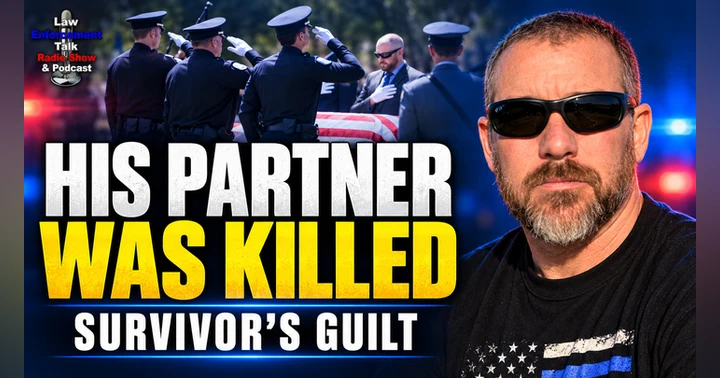
Coping With Survivor Guilt in Law Enforcement After Line-of-Duty Death