Coping with First Responder PTSD and the Hidden Cost of Police Trauma
First responders face an invisible toll long after physical wounds heal. This guide explores the psychological impact of critical incidents, the reality of police trauma, and actionable strategies for recognizing the hidden mental health costs of a career in law enforcement and emergency services.
Listen to the full episode. here.
Key Takeaways
- Physical survival following a critical incident is only the beginning of a much longer, often silent recovery process for law enforcement officers.
- Cumulative trauma from daily exposure to violence, human suffering, and high-stress crisis calls builds up over decades of service.
- Writing, professional counseling, and peer support serve as vital outlets for processing intrusive memories and career setbacks.
- The badge does not protect officers from doubt, fear, or mental health struggles, making vulnerability an essential part of healing.
- True redemption involves transforming personal pain and survival stories into resources that help fellow first responders navigate their own trauma.
The Hidden Weight of the Uniform
When the public visualizes a law enforcement officer or first responder, they typically picture the visible markers of the job: the tactical gear, the cruiser, the uniform, and the badge. What remains largely unseen is the profound psychological backpack that professionals carry home at the end of every shift. Over a career spanning decades, officers are repeatedly exposed to tragedy, injury, abuse, and human suffering. This constant exposure creates an accumulation of stress that does not simply vanish when the shift ends.
The human brain is not inherently wired to witness high-intensity trauma on a weekly or daily basis without consequence. When an officer responds to a fatal crash, a violent assault, or a volatile mental health crisis, their nervous system goes into overdrive. Over time, repeated activation of the fight-or-flight response alters how an individual processes stress, danger, and emotional connection. The transition from high-alert professional to a relaxed family member at the dinner table becomes increasingly difficult to navigate.
Recognizing the Signs of Cumulative Trauma
Cumulative trauma rarely announces itself with a dramatic explosion. Instead, it often creeps in through subtle behavioral and emotional shifts. Loved ones are frequently the first to notice that an officer has become distant, easily agitated, or emotionally numb. Simple domestic routines can trigger frustration, and sleep disturbances, such as insomnia or recurrent nightmares, often become the new normal.
Furthermore, physiological hypervigilance can follow an officer off-duty. Sitting with one's back to a door in a restaurant, constantly scanning crowds, or reacting with extreme alertness to loud noises are common subconscious adaptations to the dangers of the job. Without proper intervention, these coping mechanisms can strain personal relationships, isolate officers from their support systems, and erode their overall quality of life.
The Fallacy of the Unbreakable Officer
For generations, police culture perpetuated a silent expectation: law enforcement officers must remain completely stoic, unaffected by the horrors they witness, and always in control. This warrior ethos, while necessary for tactical survival on the street, can become a dangerous trap when applied to mental health. The belief that asking for help equates to weakness has cost many officers their careers, their families, and tragically, their lives.
True courage in modern policing is increasingly being redefined not as the absence of fear or trauma, but as the willingness to confront it. Acknowledging that an incident has left a psychological mark requires a profound level of self-awareness. When leaders and veterans speak openly about their struggles with anxiety, depression, or post-traumatic stress, it shatters the stigma that isolates struggling personnel.
Listen to the full episode. here.
Overcoming Career Setbacks and Shame
Trauma in law enforcement is not solely derived from physical attacks or violent calls. Professional setbacks, such as disciplinary actions, wrongful terminations, or high-profile controversies, can inflict deep psychological wounds that mirror the effects of physical trauma. When an officer's career identity is suddenly stripped away or threatened, it triggers an identity crisis.
Navigating these professional valleys requires the same resilience needed to survive physical ambushes. Accepting failure, learning from past mistakes, and seeking redemption allow officers to rebuild their lives. Resilience is forged in the willingness to accept that a single mistake or a devastating event does not define the entirety of a person's life or service.
Pathways to Healing and Redemption
Recovery from severe trauma is rarely linear. It requires a multifaceted approach that addresses the mind, body, and spirit. For many first responders, traditional talk therapy combined with specialized modalities like EMDR (Eye Movement Desensitization and Reprocessing) can help rewire how traumatic memories are stored in the brain. Rebuilding a strong spiritual foundation or engaging in creative outlets, such as writing memoirs or journaling, also offers a powerful vehicle for processing decades of accumulated stress.
Writing about personal pain transforms private suffering into a shared roadmap for survival. When veterans and first responders put their scars into words, they create a bridge of empathy that connects them to younger officers, fellow first responders, and the civilians they protect. Sharing these candid accounts proves that survival is only the first chapter; the true victory lies in building a purposeful life after trauma.
Conclusion and Further Listening
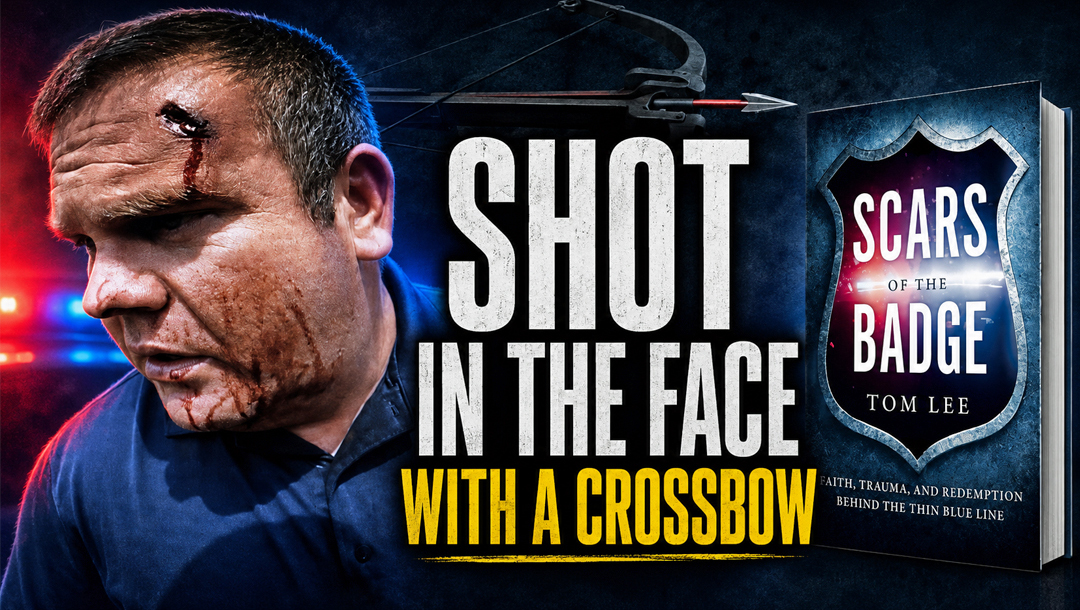
The journey from the brink of tragedy to genuine recovery is a testament to the resilience of the human spirit. While physical injuries eventually heal, the invisible wounds of a law enforcement career demand lifelong attention, open dialogue, and unwavering support from communities and peers alike. To explore a profound firsthand account of surviving an extraordinary ambush, overcoming career setbacks, and finding redemption through faith and resilience, Listen to the full episode. Tune in to the Law Enforcement Talk Radio Show and Podcast to hear gripping real-life stories from the front lines of policing and trauma recovery.
Frequently Asked Questions
What is cumulative trauma in law enforcement?
Cumulative trauma refers to the gradual buildup of psychological stress and emotional impact experienced by officers due to repeated exposure to violence, tragedy, and high-stakes crisis calls over a career.
Why do many first responders hesitate to seek mental health support?
Historically, police culture fostered a stoic warrior ethos where asking for help was viewed as a sign of weakness or vulnerability, creating a culture of silence around mental health struggles.
How can writing and storytelling aid in trauma recovery?
Writing and sharing personal survival stories allow officers to externalize their pain, process intrusive memories, and reclaim their narrative, turning personal suffering into a source of inspiration and guidance for others.
What role does peer support play in officer wellness?
Peer support provides a safe, non-judgmental environment where first responders can talk candidly with individuals who truly understand the unique demands, stresses, and trauma associated with the profession.

Radio Show Host and Producer
Retired from the Baltimore Police Department at the rank of Sergeant. He was retired early due a permanent line of duty injury that occurred during an act of violence. The injury resulted in 3 surgeries, two steel plates and a fusion of his right wrist and thumb.
About 8 years after retiring from police work, he began a career in the audio broadcasting space. Starting with "audio-blogs" in 1999. Which progressed into a brokered once a week radio show and then led to broadcasting school.
After graduating he has been a full time FM radio personality and launched the Law Enforcement Today Show as a podcast in March of 2017. This was in a partnership with Law Enforcement Today's Robert Greenberg. The show was quickly recruited by radio and is a nationally syndicated radio show, broadcasting weekly on many US Radio Stations to millions of people.
The partnership with them ended in the Summer of 2023 and the show was renamed the Law Enforcement Talk Radio Show and Podcast.
The radio show is syndicated by Talk Media Network. Go to the Radio Page of the site for more information.

How to Talk to Kids About Online Predators: A Parent's Guide