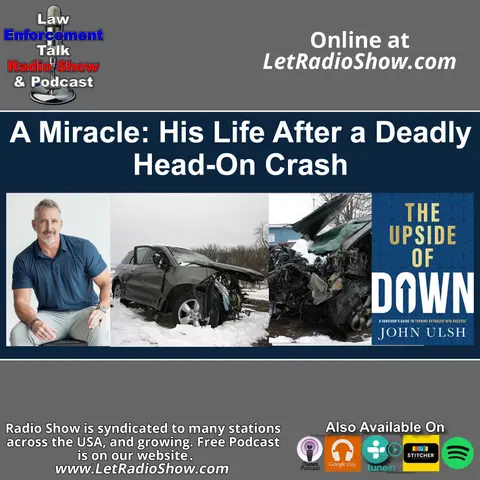
Relearning How to Walk After Paralysis: Inside John Ulsh's Physical Recovery Journey
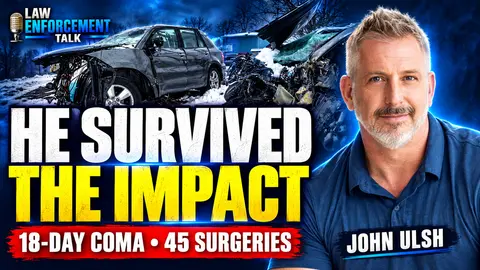
When facing a devastating prognosis of permanent paralysis from the waist down, physical recovery requires far more than medical intervention; it demands a complete psychological and physical rebuild. This article explores the grueling rehabilitation process, milestone-driven therapy, and sheer grit required to walk again after suffering catastrophic injuries in a high-speed vehicular collision.
Read More or Listen to the full episode
Key Takeaways
- Initial survival following severe trauma often requires massive blood transfusions and weeks in a medically induced coma.
- Relearning basic movements like sitting up and feeding oneself serves as the foundation for recovering mobility.
- Overcoming a less than 3 percent survival rate demands extreme mental resilience alongside physical therapy.
- Long-term recovery from paralysis involves navigating dozens of surgeries and years of dedicated rehabilitation.
- Transforming trauma into triumph requires setting incremental goals when the ultimate path forward remains uncertain.
The Reality of Catastrophic Trauma Recovery
When a crash occurs at a combined impact speed of approximately 125 mph, the human body absorbs extreme kinetic force. For John Ulsh, the physical toll included shattered femurs, a broken pelvis, fractured ribs, damaged arms, and multiple ruptured organs. Surviving the initial impact was only the first hurdle. Spending 18 days in a coma while requiring 36 units of blood in the first 36 hours highlights the razor-thin margin between life and death in severe trauma cases.
Medical professionals gave him less than a 3 percent chance of survival. Yet, beating those astronomical odds introduced a terrifying new reality: waking up to a body that no longer functioned as it once did. Paralyzed from the waist down and facing more than 45 surgeries, the immediate future was defined by hospital beds, medical equipment, and profound physical limitations.
Read More or Listen to the full episode
The Micro-Milestones of Mobility
When doctors inform a patient that walking again is unlikely, the psychological weight can be paralyzing in its own right. Recovery cannot be approached as a single, massive leap forward. Instead, it must be broken down into micro-milestones. For someone unable to move their lower extremities, the first victories are painfully small:
- Successfully sitting upright in a hospital bed without losing balance or consciousness.
- Regaining the fine motor skills required to feed oneself independently.
- Activating individual muscle groups through targeted stimulation and physical therapy.
- Transitioning from complete bedrest to a wheelchair for short durations.
Each small victory builds the neuromuscular pathways and emotional stamina needed for the grueling months and years ahead. Patience becomes just as important as physical strength.
Rebuilding Muscle Memory After Paralysis
Physical therapy for spinal and pelvic trauma is an exhaustive process of neural re-education. When trauma disrupts the connection between the brain and the lower body, therapists must work tirelessly to stimulate dormant pathways. This phase of rehabilitation involves intense passive movement, weight-bearing exercises designed to prevent bone density loss, and progressive resistance training wherever movement is possible.
Beyond the physical mechanics, patients face the daunting task of maintaining consistency on days when progress feels entirely invisible. The psychological battle is just as demanding as the physical one. Surmounting these barriers requires treating rehabilitation as a non-negotiable daily discipline rather than a reaction to how one feels on a given morning.
Shifting from Survival to Purpose
Surviving a tragedy of this magnitude often leaves individuals grappling with a profound sense of purpose. For Ulsh, realizing that he was still here meant he had a responsibility to make something of the life he fought to keep. This mental shift from being a passive patient to an active participant in his own recovery acted as the catalyst for his eventual return to physical fitness and walking.
This mindset forms the bedrock of strategies detailed in resources like his book, The Upside of Down: A Survivor’s Guide to Turning Setbacks into Success. By refusing to let tragic circumstances dictate the entirety of his future, he demonstrated that while individuals cannot always choose the trauma inflicted upon them, they retain absolute control over their response.
Read More or Listen to the full episode
Conclusion
John Ulsh’s journey from a hospital bed and a wheelchair to walking and rebuilding his physical health is a testament to the power of human resilience. His story proves that physical rehabilitation is not merely about medical treatments, but about cultivating an unbreakable mindset capable of enduring dozens of surgeries and years of grueling therapy. To hear the complete, inspiring account of his survival and transformation, Listen to the full episode on the Law Enforcement Talk Radio Show and Podcast.
Frequently Asked Questions
What injuries did John Ulsh sustain in his head-on crash?
John sustained catastrophic injuries, including broken femurs, a fractured pelvis, broken ribs, broken arms, multiple ruptured organs, and paralysis from the waist down, resulting from a combined impact speed of approximately 125 mph.
How many surgeries did John undergo during his recovery?
John endured more than 45 surgeries over the course of his extensive medical treatment and rehabilitation process.
Did John ever walk again after being paralyzed?
Yes. Despite doctors initially doubting whether he would survive or walk again, John underwent years of grueling physical therapy and rehabilitation, ultimately regaining the ability to walk and returning to remarkable physical shape.
What inspired John to write about his recovery?
After navigating a long and arduous recovery from a near-fatal accident, John felt compelled to share the lessons he learned about resilience, leadership, and personal responsibility, leading him to write his book, *The Upside of Down*.

A law enforcement officer suffers a catastrophic injury resulting in limb los