A law enforcement officer suffers a catastrophic injury resulting in limb los
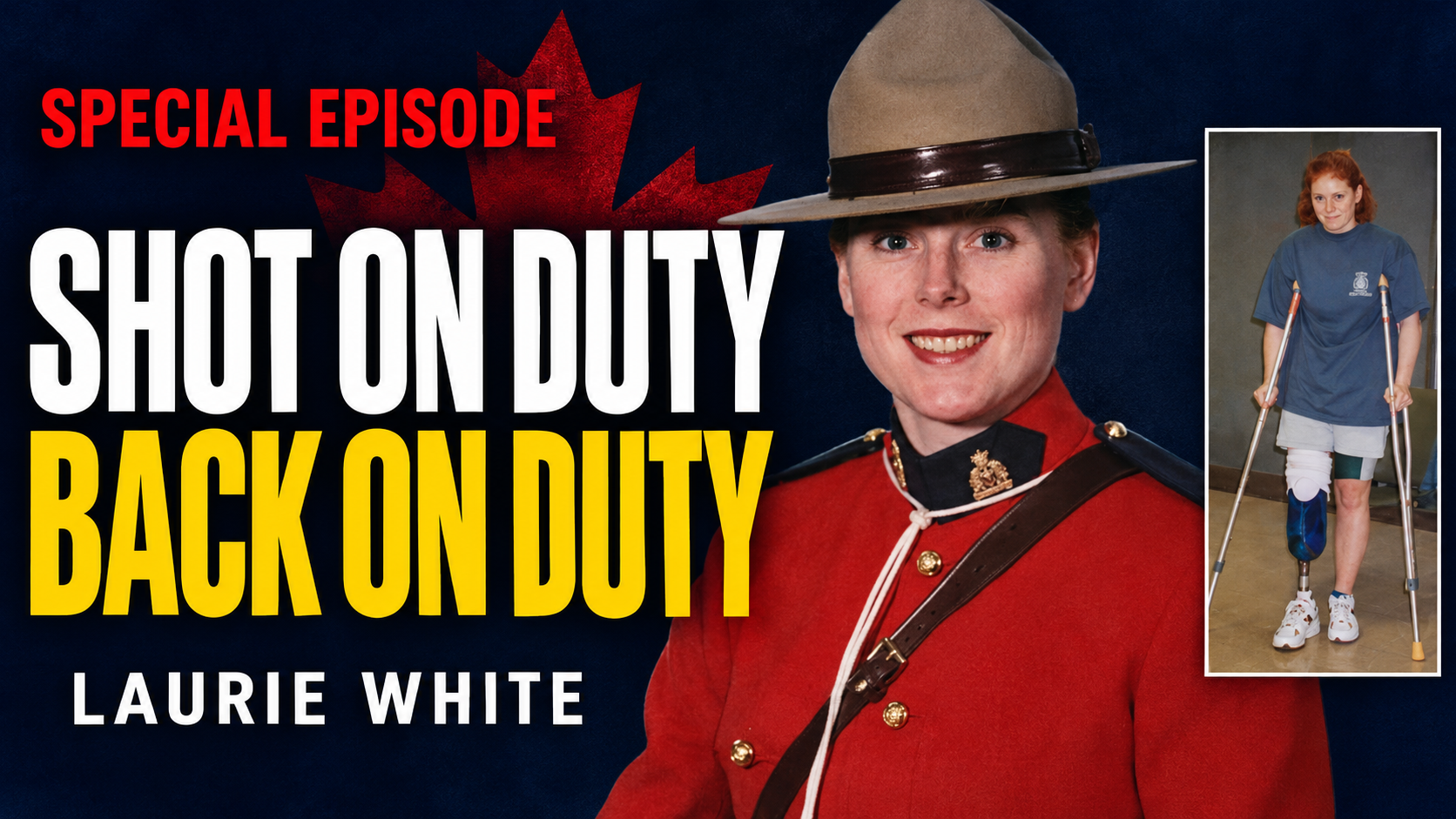
A law enforcement officer suffers a catastrophic injury resulting in limb loss, returning to the rigorous demands of patrol work requires overcoming immense physical and institutional hurdles. This deep dive examines the exact testing, training, and psychological evaluations wounded officers must navigate to meet official operational standards and successfully return to active general duty.
Key Takeaways
- Injured police officers must pass the exact same operational standards and physical ability tests as fully-abled personnel to return to active duty.
- Prosthetic adaptation requires months of intensive physical therapy, gym conditioning, and specialized gait training to handle high-stress police scenarios.
- Firearms requalification demands not only physical accuracy but also psychological readiness to re-engage with the loud noises and adrenaline of combat.
- Re-entering general duties often involves navigating bureaucratic hurdles, disability accommodations, and ongoing management of hidden psychological trauma.
- Dedicated preparation and institutional support are critical factors that determine whether an amputee officer can successfully return to full operational status.
The Reality of Operational Standards for Injured Officers
Law enforcement agencies operate under strict mandates to ensure that every sworn officer on the street can protect the public and their fellow partners. When an officer loses a limb in the line of duty, there is no watered-down version of patrol work designed to accommodate them easily. To earn back a uniform and a badge, the injured officer must prove their capabilities across a battery of standardized tests. These evaluations are designed to mimic real-world critical incidents where failure is not an option.
For officers navigating life with a prosthesis, this means retraining the body to absorb high impacts, sprint, pivot, and exert maximum force under duress. The objective evaluation leaves no room for sentimentality; the equipment and the body must perform as a cohesive unit capable of handling violent resistance from suspects.
Mastering Physical Ability Requirements
Physical ability tests, such as the Physical Ability Requirement Evaluation (PARE) utilized by the RCMP, serve as the ultimate gatekeeper for active-duty status. These tests simulate the dynamic physical exertion required during foot pursuits, suspect control, and rescue operations. For an amputee officer, passing these evaluations requires extraordinary physical conditioning.
Months before facing the test, officers dedicate hours daily to physical therapy, heavy gym workouts, and balance training. Building core strength and mastering prosthetic gait control are essential steps. Because a standard prosthetic limb does not react instinctively like a biological leg, the officer must consciously train their body to compensate for shifting weight distributions during sudden directional changes and heavy lifting scenarios.
Firearms and Tactical Requalification Beyond the Gym
Physical fitness is only one component of the rigorous return-to-duty protocol. Tactical readiness involves rigorous firearms requalification and use-of-force assessments. For an officer who was shot in the line of duty, stepping back onto a shooting range carries profound psychological weight.
The sound of gunfire, the acrid smell of gunpowder, and the recoil of the weapon can trigger acute physiological stress responses. Requalification protocols require officers to demonstrate precise marksmanship while under simulated stress, often while managing awkward firing stances or mobility constraints imposed by their injury. Overcoming these triggers requires immense mental fortitude, controlled breathing techniques, and gradual exposure therapy integrated into their tactical training schedule.
Navigating Psychological Readiness
While passing physical fitness and firearms tests proves bodily capability, passing psychological evaluations ensures long-term operational resilience. Post-traumatic stress disorder (PTSD) and service-related trauma rarely vanish simply because an officer feels physically strong enough to work. Departmental evaluators look closely at how an officer processes their trauma, manages triggers, and communicates under pressure.
Returning to Kitimat or any other detachment means facing the everyday reminders of the job. Officers must confront the reality of their past incidents while remaining entirely focused on the safety of current calls. The psychological journey demands ongoing honesty, peer support, and professional counseling to prevent burnout or secondary crisis.
Bureaucratic Hurdles and Detachment Realities
Passing every physical and psychological test does not instantly guarantee a smooth transition back to the shift schedule. Once an officer returns to full duty, they frequently encounter institutional friction, administrative roadblocks, and challenges securing appropriate workplace accommodations. Navigating disability benefits, modified equipment requests, and departmental policies can sometimes feel as exhausting as the physical rehabilitation itself.
Despite these administrative barriers, trailblazing officers prove that returning to work is possible. Their perseverance shines a light on systemic gaps in how injured first responders are supported, paving the way for better policies, improved mental health resources, and more empathetic leadership within modern law enforcement agencies.
Conclusion
The journey from a catastrophic line-of-duty injury to a triumphant return to full operational status requires an unshakeable commitment to physical excellence and mental resilience. Meeting strict tactical and physical benchmarks while managing the hidden scars of trauma is a testament to extraordinary human determination.
To hear firsthand how Constable Laurie White navigated her incredible journey, listen to the complete interview. Listen to the full episode of the Law Enforcement Talk Radio Show and Podcast to gain deeper insights into survival, recovery, and life after trauma.
Frequently Asked Questions
Do police officers returning after an amputation have to take standard physical tests?
Yes. Officers must pass rigorous operational benchmarks, such as the RCMP's Physical Ability Requirement Evaluation (PARE), without special operational exemptions to ensure public and partner safety.
How do amputee officers handle firearms requalification after a shooting incident?
Firearms requalification involves both physical handling assessments and psychological desensitization to ensure the officer is comfortable with the sounds and mechanics of discharging a weapon again.
What kind of physical preparation is required to return to full operational duty?
Returning to duty typically requires months of dedicated physical therapy, rigorous strength training, endurance conditioning, and daily practice walking with a prosthetic device under various simulated conditions.
Are physical tests the only requirement for an officer returning after a catastrophic injury?
No. Psychological readiness assessments are mandatory to evaluate how an officer handles post-traumatic stress, operational triggers, and the mental demands of policing.

Relearning How to Walk After Paralysis: Inside John Ulsh's Physical Recovery Journey