What It Really Takes to Be a Sheriff's Hostage Negotiator in High-Stakes Crisis Scenarios
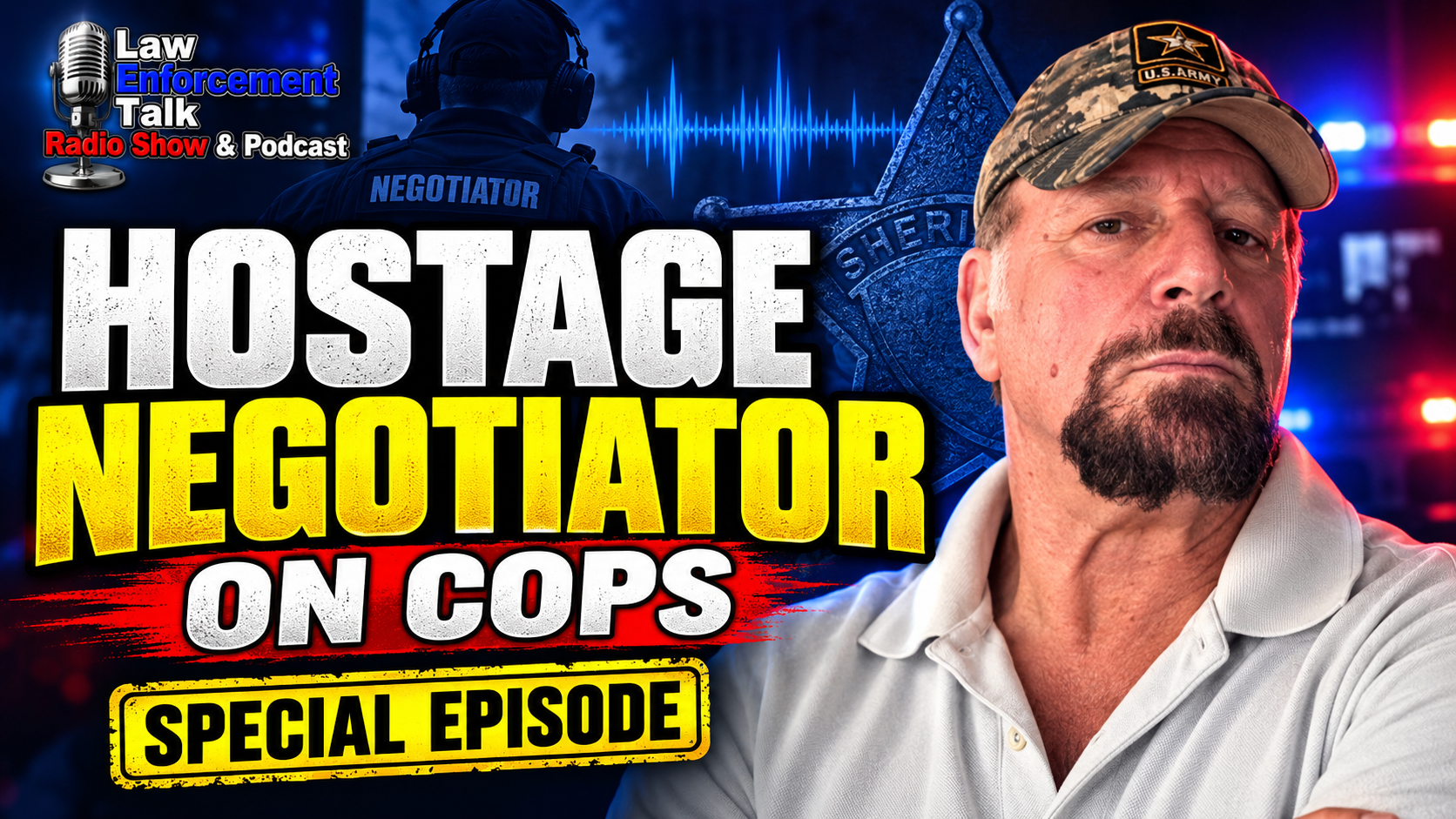
Discover the intense psychological discipline, strategic communication tactics, and high-pressure decision-making required behind the scenes of sheriff's hostage negotiation. Learn how trained crisis negotiators manage armed, emotionally unstable individuals while balancing tactical safety and human life.
Listen to the full episode for free.
Key Takeaways
- Hostage negotiation requires absolute emotional control while communicating with armed, unstable individuals.
- The primary objective is slowing the situation down, establishing trust, and opening a pathway to peaceful resolution.
- Negotiators must seamlessly coordinate with tactical units, commanders, and emergency personnel simultaneously.
- Every single word, tone choice, and timing decision can drastically alter the outcome of a volatile crisis.
- The psychological weight of high-stakes crisis negotiations often lingers long after the scene has been cleared.
The Reality of Crisis Negotiation
When a volatile situation escalates to the point where an individual is armed, barricaded, or holding others against their will, public safety agencies deploy a specialized asset: the hostage negotiator. Unlike standard patrol responses that rely on swift physical intervention, negotiation is a meticulous exercise in patience, psychological pacing, and verbal precision.
Television and movies often portray hostage negotiation as a rapid-fire exchange of witty dialogue or dramatic ultimatums. In reality, trained professionals understand that Hollywood exaggerations completely miss the tedious, grinding nature of actual crisis intervention. Real-world negotiations are built on deliberate pauses, active listening, and an exhaustive effort to de-escalate tension before it reaches a catastrophic tipping point.
Communication Tactics That Save Lives
Every word uttered by a negotiator is carefully measured. When dealing with a person in extreme emotional distress or crisis, language ceases to be merely a tool for exchanging information and becomes a vital instrument for stabilizing human behavior.
Slowing Down the Situation
One of the foundational strategies in high-stakes negotiation is temporal manipulation—specifically, slowing down perceived time. Individuals in crisis often operate in a state of hyper-arousal, feeling trapped with no way out. By encouraging the subject to talk, recounting their narrative, and avoiding rushed commands, negotiators create a buffer zone of calm. This slowdown gives the brain time to move away from impulsive, fear-driven reactions and toward rational thought.
Establishing Trust Under Fire
Building rapport with someone who may fundamentally distrust law enforcement is an immense hurdle. Negotiators must project absolute authenticity and empathy without validating harmful actions. Establishing this bridge of trust requires acute emotional intelligence. If a negotiator sounds dismissive, robotic, or insincere, the subject can instantly sever communication, turning a manageable containment into a tactical emergency.
The Coordination Between Negotiators and Tactical Teams
A common misconception is that negotiation and tactical operations (such as SWAT) operate independently. In professional public safety agencies, these two elements are inextricably linked. While negotiators manage the verbal and psychological aspects of the incident, tactical commanders manage perimeter security, intelligence gathering, and contingency plans.
This dynamic requires constant, seamless communication. If tactical teams move too aggressively without consulting the negotiating team, it can jeopardize the fragile trust established inside. Conversely, if negotiations drag on indefinitely without actionable intelligence or progress, tactical commanders must weigh the risk of inaction against the danger of a forced entry. Balancing these competing priorities demands experienced leadership and complete mutual respect among all responders.
The Long-Term Psychological Toll
The responsibilities carried by a hostage negotiator do not vanish when the barricade comes down or the suspect surrenders. Operating in environments where life and death hang in the balance leaves an indelible mark on the psyche of the officer.
Processing the adrenaline surge of a critical incident takes time, and the accumulation of repeated exposure to human trauma can lead to cumulative stress. Unlike physical injuries that heal visibly, the internal toll of crisis negotiation requires robust mental health awareness, peer support, and personal resilience. Veterans of these specialized units often emphasize that coping with the aftermath is just as demanding as performing the actual negotiation.
Conclusion
The world of law enforcement extends far beyond standard patrols and traffic stops. Sheriff's hostage negotiators represent the absolute pinnacle of communication, emotional control, and tactical patience under fire. Understanding their role gives us a profound appreciation for the invisible mental labor performed by first responders every day.
To dive deeper into the real-life stories behind the badge, high-stakes crisis response, and the human side of law enforcement, Listen to the full episode today.
Frequently Asked Questions
What is the primary goal of a sheriff's hostage negotiator during a standoff?
The primary goal is to slow the dangerous situation down, establish verbal contact and trust, gather critical intelligence, and ultimately create an opportunity for a peaceful, non-violent resolution.
How do negotiators maintain emotional control during high-stress calls?
Negotiators undergo specialized psychological and tactical training that teaches them to detach from immediate panic, manage their own stress responses, and focus entirely on the subject's verbal and non-verbal cues.
Do hostage negotiators work alone when handling a crisis?
No. Negotiators work as part of an integrated team, coordinating closely with tactical commanders, perimeter officers, intelligence gatherers, and emergency medical personnel to ensure a synchronized response.
Why does negotiation work linger mentally for law enforcement officers?
The intense cognitive load of managing human life in the balance, coupled with the exposure to extreme trauma and unpredictable volatility, leaves deep psychological impressions that require long-term processing.

Radio Show Host and Producer
Retired from the Baltimore Police Department at the rank of Sergeant. He was retired early due a permanent line of duty injury that occurred during an act of violence. The injury resulted in 3 surgeries, two steel plates and a fusion of his right wrist and thumb.
About 8 years after retiring from police work, he began a career in the audio broadcasting space. Starting with "audio-blogs" in 1999. Which progressed into a brokered once a week radio show and then led to broadcasting school.
After graduating he has been a full time FM radio personality and launched the Law Enforcement Today Show as a podcast in March of 2017. This was in a partnership with Law Enforcement Today's Robert Greenberg. The show was quickly recruited by radio and is a nationally syndicated radio show, broadcasting weekly on many US Radio Stations to millions of people.
The partnership with them ended in the Summer of 2023 and the show was renamed the Law Enforcement Talk Radio Show and Podcast.
The radio show is syndicated by Talk Media Network. Go to the Radio Page of the site for more information.
How to Talk to Kids About Online Predators: A Parent's Guide