Police Officers Can Rebuild Their Identity After Institutional Betrayal
Police Officers Can Rebuild Their Identity After Institutional Betrayal. When a law enforcement officer faces wrongful accusations and institutional betrayal, the psychological fallout extends far beyond a damaged resume. Rebuilding personal identity after a career collapse requires navigating sudden isolation, redefining self-worth outside the uniform, and finding a renewed sense of purpose on the other side of trauma.
Listen to the full episode or read more for free.
Key Takeaways
- A police uniform often becomes an officer's primary source of identity, making administrative leave and wrongful accusations uniquely devastating.
- Institutional isolation frequently cuts an accused officer off from their daily support network and departmental camaraderie overnight.
- Legal vindication and the reinstatement of a law enforcement license do not automatically restore an officer's original career trajectory.
- Transitioning into new roles like internal affairs or higher-level administrative leadership allows wrongfully accused officers to transform past pain into purpose.
- True professional resilience requires recognizing that while a specific law enforcement career chapter can end abruptly, personal purpose and leadership value endure.
The Anatomy of Institutional Betrayal in Policing
In the high-stakes world of law enforcement, the thin blue line represents safety, teamwork, and unwavering mutual support. Police officers spend decades embedding themselves into a tight-knit culture where the agency is not merely an employer, but a vital part of their social fabric and personal identity. When an officer is suddenly targeted by their own department, whether through a rushed investigation, political maneuvering, or unfounded administrative allegations, the shockwave shatters their entire worldview.
Unlike corporate professionals who can easily separate their employment from their personal lives, law enforcement officers carry the weight of their oath into every waking hour. When an agency places a veteran officer on administrative leave, the silence that follows is deafening. Colleagues who once stood side-by-side in dangerous foot pursuits suddenly pull away out of administrative fear or self-preservation. This sudden isolation transforms an ordinary workplace dispute into a profound crisis of identity, leaving the officer to wonder who they are when the badge and uniform are temporarily, or permanently, stripped away.
The Emotional Toll of Administrative Leave
Administrative leave is designed as a neutral administrative tool, but psychologically, it often feels like solitary confinement for police officers. Stripped of police powers, firearm access, and daily operational duties, the accused officer sits in limbo. The uncertainty breeds intense anxiety, sleep deprivation, and depression. During this period, the psychological damage is often compounded by the realization that the institution they served with absolute loyalty is treating them as an existential liability rather than a valued human being.
Navigating Legal Vindication Versus Career Restoration
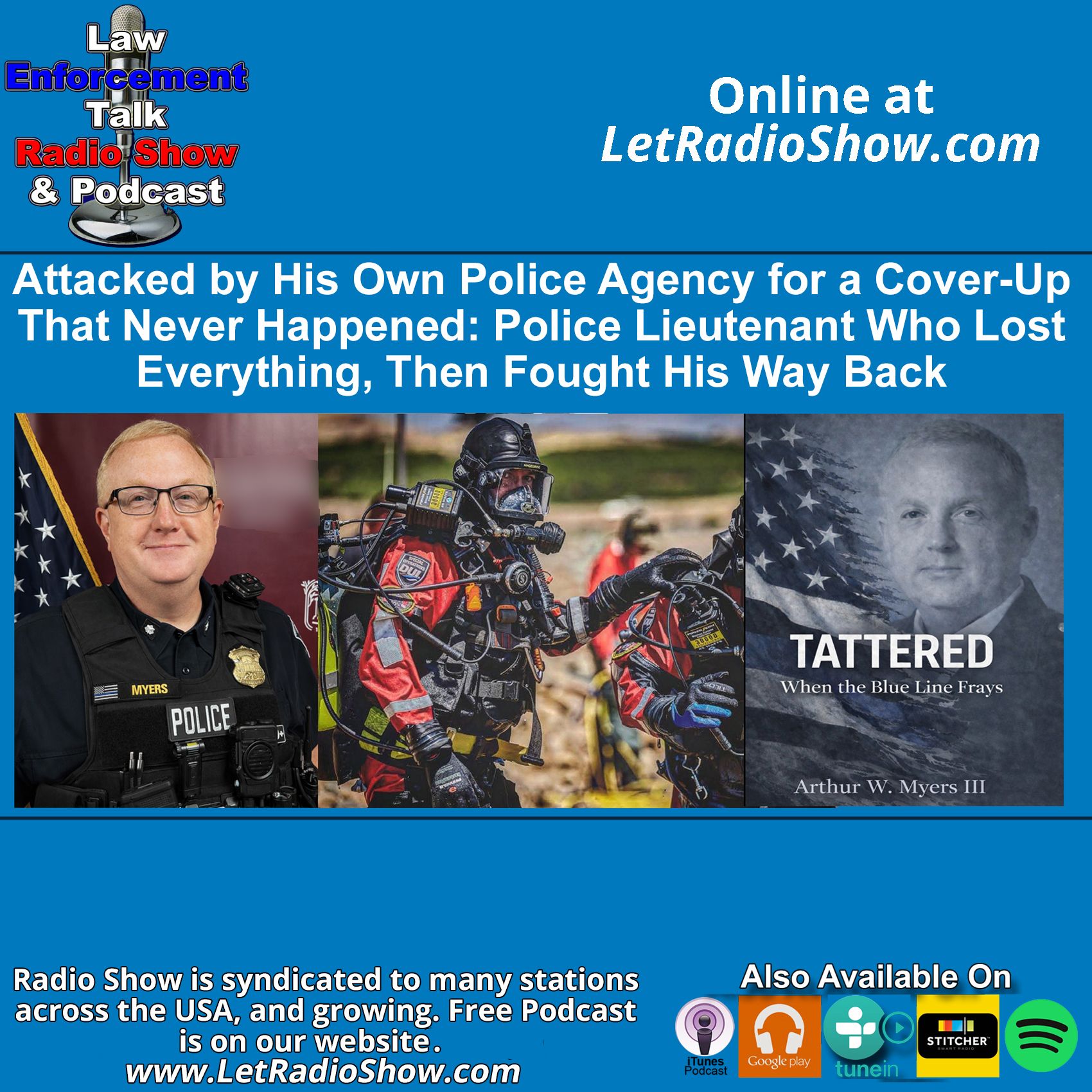
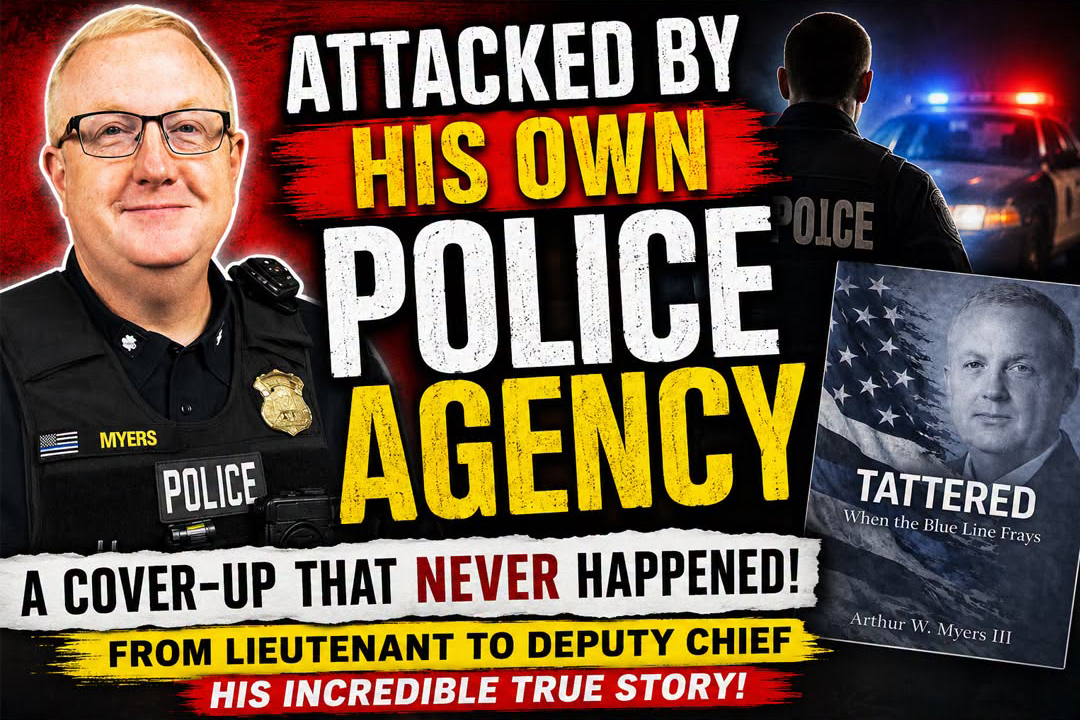
A common misconception among the public is that once an officer is legally cleared of wrongdoing, their life simply snaps back to normal. In reality, legal victory is merely the first grueling step in a long recovery process. Former Charleston Police Lieutenant Arthur 'Rusty' Myers experienced this harsh reality firsthand when prosecutors presented no viable case, leading to the complete dismissal of all charges against him and the full reinstatement of his law enforcement certification by the state.
However, being cleared by the state board did not automatically translate to getting his old career back at his original agency. For many wrongfully accused officers, the original department closes its doors permanently out of institutional pride or fear of admitting fault. This creates a painful professional limbo where an officer is legally innocent and fully licensed, yet effectively locked out of the community they spent decades protecting.
Overcoming Professional Displacement
Overcoming professional displacement requires immense mental fortitude. Officers who find themselves pushed out of their agencies must decide whether to let bitterness define their remaining years or channel their frustration into new professional horizons. For Myers, vindication opened the door to fresh opportunities with other South Carolina police agencies, ultimately leading to higher administrative responsibilities, including serving as an Internal Affairs Detective and eventually as a Deputy Chief of Police at a university Department of Public Safety.
Transforming Pain Into Purpose
The true test of resilience in law enforcement occurs when an officer decides how to process institutional trauma. Rather than allowing a single negative chapter to ruin their entire professional existence, resilient leaders use their painful experiences to reform the systems that failed them. By stepping into internal affairs, training commands, or high-level academic public safety roles, veterans who have survived institutional injustice can champion procedural justice, officer wellness, and rigorous ethical standards.
Sharing these stories through memoirs, leadership seminars, and public discussions helps break the culture of silence surrounding administrative trauma in policing. When leaders openly discuss institutional betrayal, it normalizes mental health struggles and encourages younger generations of officers to build a resilient identity that transcends their current employment status or uniform.
Conclusion
Facing institutional betrayal and wrongful accusations can destroy a police officer's career in seconds, but as the journey of leaders like Arthur 'Rusty' Myers demonstrates, a career ending does not mean a purpose has ended. By refusing to let external circumstances dictate their worth, officers can navigate the darkest administrative storms and emerge as stronger, more empathetic leaders. Listen to the full episode to hear the complete, inspiring story of survival, vindication, and professional rebirth on the Law Enforcement Talk Radio Show and Podcast.
Frequently Asked Questions
Why is institutional betrayal so psychologically damaging for law enforcement officers?
For police officers, the badge represents far more than a job; it forms the core of their personal identity, community purpose, and daily social structure. When the agency an officer has dedicated their life to turns against them through wrongful investigations, the sudden loss of camaraderie and institutional support feels like a profound betrayal from a second family.
What happens to a police officer's certification after being cleared of false charges?
When an officer is fully exonerated and charges are dropped, they have the legal right to petition their state's law enforcement training and certification board. If successful, their professional license is fully reinstated, allowing them to legally seek employment with other police departments or public safety agencies.
Can an officer successfully return to law enforcement in an internal affairs role after being wrongfully accused?
Yes. As demonstrated by former Lieutenant Arthur 'Rusty' Myers, officers who have experienced the internal investigations process firsthand often bring invaluable empathy, rigorous fairness, and deep institutional insight to internal affairs and departmental leadership roles.
How can police leaders foster better mental health and resilience during departmental investigations?
Agencies can support officer wellness during investigations by maintaining transparent communication, avoiding premature public judgment, providing access to independent psychological support, and recognizing the severe emotional toll that administrative leave and isolation place on an officer.

Radio Show Host and Producer
Retired from the Baltimore Police Department at the rank of Sergeant. He was retired early due a permanent line of duty injury that occurred during an act of violence. The injury resulted in 3 surgeries, two steel plates and a fusion of his right wrist and thumb.
About 8 years after retiring from police work, he began a career in the audio broadcasting space. Starting with "audio-blogs" in 1999. Which progressed into a brokered once a week radio show and then led to broadcasting school.
After graduating he has been a full time FM radio personality and launched the Law Enforcement Today Show as a podcast in March of 2017. This was in a partnership with Law Enforcement Today's Robert Greenberg. The show was quickly recruited by radio and is a nationally syndicated radio show, broadcasting weekly on many US Radio Stations to millions of people.
The partnership with them ended in the Summer of 2023 and the show was renamed the Law Enforcement Talk Radio Show and Podcast.
The radio show is syndicated by Talk Media Network. Go to the Radio Page of the site for more information.
Beyond 'I'm Fine': How Cops Hide Trauma Behind Extreme Fitness