Navigating the 13 Days of Silence: Emergency Responder Perspectives on Waiting for Crisis News
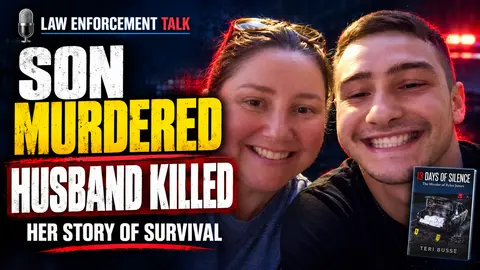
When a family member goes missing, the agonizing gap between fearing the worst and receiving official confirmation is often defined by silence. For former paramedic and public safety professional Teri Busse, enduring thirteen days of uncertainty after her son Rylee James went missing offered a unique, painful perspective on the psychological toll of waiting from the other side of an emergency response.
Listen to the full episode for free.
Key Takeaways
- Emergency responders are trained to deliver crisis news quickly, but families on the receiving end experience a profound and agonizing isolation.
- The thirteen-day waiting period between a loved one's disappearance and official identification creates a distinct category of trauma.
- Professional background in public safety does not immunize an individual against the visceral shock and grief of personal tragedy.
- Maintaining sober recovery through catastrophic loss requires lifelong commitment and conscious navigation of trauma.
- Reframing a victim's legacy beyond the circumstances of their death is essential for true healing and remembrance.
The Responder Perspective vs. Family Reality
Emergency services personnel spend their careers delivering critical, life-altering information to strangers. Whether operating as a paramedic, firefighter, or corrections officer, a public safety professional is conditioned to act swiftly, maintain control under pressure, and transition seamlessly from one crisis call to the next. In that professional domain, clarity is the objective, and action is the immediate remedy.
However, when the role reverses and the responder becomes the family member waiting for news, the machinery of emergency response looks entirely different. The structured protocols, investigative procedures, and bureaucratic steps that make logical sense to an insider feel painfully slow when applied to one's own child. The silence from law enforcement investigators is not merely a procedural delay; it is an emotional void where every minute stretches into an eternity.
Understanding the Thirteen Days of Silence
In February 2022, a burned vehicle discovered near Leavenworth, Kansas, sparked an investigation that eventually revealed human remains in the trunk. For Teri Busse, the preliminary inquiries from law enforcement were vague yet terrifying. The subsequent request for dental records marked the beginning of a grueling thirteen-day waiting period.
This period of silence highlights a critical gap in how society understands trauma. While investigators must follow strict evidentiary protocols before making public identifications, families are left suspended in a state of suspended animation. No amount of past professional experience in public safety can fully prepare a mother to wait for confirmation that her son has been murdered.
The Intersection of Sober Recovery and Catastrophic Grief
Trauma rarely arrives in isolation; often, it compounds existing life challenges. Years prior to Rylee's murder, Busse experienced the profound loss of her husband in a motorcycle accident, an event that triggered a struggle with alcohol. Choosing to enter sober recovery and maintaining that sobriety for many years laid a foundation of resilience, but it did not shield her from the devastation of losing a child.
Navigating catastrophic grief while maintaining long-term sobriety requires immense psychological fortitude. Many individuals in recovery fear that a major life tragedy will shatter their coping mechanisms. Busse’s journey demonstrates that while recovery is a continuous, active practice rather than a completed chapter, it provides the mental clarity required to face unimaginable realities head-on rather than numbing the pain.
Shifting the Narrative from Evidence to Identity
True crime media and legal proceedings naturally focus on the mechanics of an investigation, the discovery of the crime scene, the state-level RICO prosecutions, the plea deals, and the courtroom verdicts. While these elements are necessary for public accountability and legal closure, they run the risk of reducing a human being to a case file.
A mother's perspective demands a different focus. Rylee James was a beloved son long before he became part of a criminal investigation, and he remains a son long after the gavel falls in a courtroom. Insisting on his humanity, his personality, and his life story ensures that victims are remembered as individuals rather than mere statistics in a prosecutor's ledger.
Conclusion
The journey from emergency responder to grieving mother reveals the stark contrast between managing a crisis professionally and living through its devastating aftermath. Through her writing, advocacy, and shared experiences, Teri Busse provides a vital blueprint for surviving profound trauma without losing sight of the person at the heart of the tragedy. Listen to the full episode to hear the complete, powerful discussion on resilience, recovery, and finding a voice after unimaginable loss.
Frequently Asked Questions
What does the phrase 'thirteen days of silence' refer to in Teri Busse's story?
It refers to the agonizing thirteen-day period between learning that a burned vehicle had been discovered near Leavenworth, Kansas, and receiving official confirmation through dental records that the remains inside belonged to her missing son, Rylee James.
How did Teri Busse's background in emergency services impact her experience?
As a former paramedic, firefighter, and corrections officer, Busse understood crisis response from the professional side. However, she discovered that knowing how emergency systems operate could not protect her from the profound emotional pain and helpless waiting experienced by a grieving family member.
How did previous life losses shape her ability to cope with her son's murder?
Years prior to her son's death, Busse lost her husband in a motorcycle accident and subsequently battled alcoholism. Entering and maintaining long-term sober recovery provided her with the emotional tools and resilience needed to face subsequent catastrophic trauma with clarity.
Why is it important to focus on the victim's identity rather than just the criminal case?
While legal proceedings and investigative details are crucial for justice, they often reduce a victim to a case file. Emphasizing the individual's life, personality, and relationship to their family ensures their humanity remains central to the narrative.
Radio Show Host and Producer
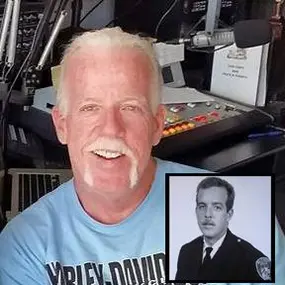
Retired from the Baltimore Police Department at the rank of Sergeant. He was retired early due a permanent line of duty injury that occurred during an act of violence. The injury resulted in 3 surgeries, two steel plates and a fusion of his right wrist and thumb.
About 8 years after retiring from police work, he began a career in the audio broadcasting space. Starting with "audio-blogs" in 1999. Which progressed into a brokered once a week radio show and then led to broadcasting school.
After graduating he has been a full time FM radio personality and launched the Law Enforcement Today Show as a podcast in March of 2017. This was in a partnership with Law Enforcement Today's Robert Greenberg. The show was quickly recruited by radio and is a nationally syndicated radio show, broadcasting weekly on many US Radio Stations to millions of people.
The partnership with them ended in the Summer of 2023 and the show was renamed the Law Enforcement Talk Radio Show and Podcast.
The radio show is syndicated by Talk Media Network. Go to the Radio Page of the site for more information.
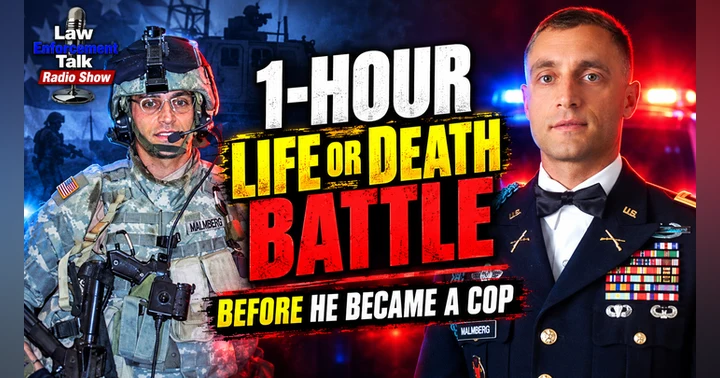
From Combat Convoy to Police De-Escalation: How Military Experience Shapes Modern Police Training