Transitioning From Executive Protection to Private Security Leadership
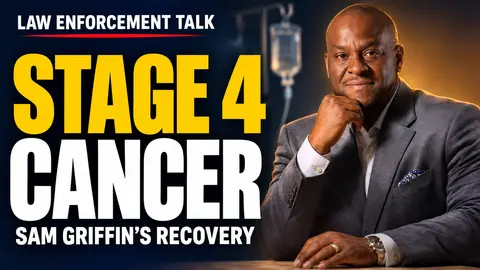
When professionals transition from elite executive protection roles to managing private security operations, the mindset shift required is immense. This guide explores the foundational leadership strategies security veterans like Sam Griffin utilize when moving from guarding high-profile individuals to building sustainable, responsible private security businesses.
Key Takeaways
- Executive protection demands immediate tactical vigilance, whereas managing guard teams requires long-term organizational leadership and operational systems.
- Newcomers entering the private security sector must understand the distinct operational boundaries between private firms and public law enforcement.
- Mentorship and practical educational resources, such as industry guidebooks, play a vital role in preparing new guards for the realities of the field.
- Balancing high-stakes crisis management with day-to-day administrative responsibility is the hallmark of an effective security business owner.
- Integrating personal values and ethical leadership principles ensures long-term career resilience across diverse security sectors.
The Evolution of Security Careers
The private security landscape is broad, encompassing everything from close-protection details for dignitaries and corporate executives to stationary guard management at commercial facilities. For professionals who spend decades in high-threat environments protecting public figures, the transition into agency management or entrepreneurial ownership brings unique challenges. The skills that make someone an exceptional close-protection specialist—such as hyper-vigilance, rapid tactical decision-making, and physical endurance—form a powerful foundation, but they are only part of the equation.
Running a security firm or stepping into a supervisory role shifts the daily focus from personal tactical execution to team development, standard operating procedures, and liability management. Security leaders must learn to empower their personnel, instill discipline across diverse teams, and foster a culture of accountability. This transformation requires stepping back from the front lines to design systems that protect entire facilities, client assets, and subordinate personnel simultaneously.
From Close Protection to Operations Management
In executive protection, the operator typically focuses on a single principal or a small, controlled group. Every movement, route, and venue is scrutinized for potential threats. However, when transitioning to managing teams of security guards across multiple commercial or residential sites, the scope widens dramatically. A supervisor or agency founder must oversee dozens of individuals with varying levels of experience, demanding a structured approach to communication and oversight.
Operational success at this scale relies heavily on clear directives and comprehensive training programs. Leaders must translate their high-level tactical knowledge into accessible lessons for new recruits. This ensures that every guard deployed into the field understands not only their physical positioning and duties but also the legal and ethical boundaries of private security work.
Navigating the Realities of Private Security
Entering the private security sector is a popular choice for individuals leaving military service or law enforcement, as well as newcomers looking for a dynamic career path. However, misconceptions about the daily realities of the job abound. Many expect high-octane scenarios reminiscent of Hollywood thrillers, only to discover that the core of the profession centers on deterrence, observation, customer service, and de-escalation.
Setting realistic expectations for newcomers is essential for reducing turnover and building a professional workforce. Leaders in the industry must actively mentor new hires, helping them grasp that the true value of a security professional lies in preventing incidents before they escalate rather than engaging in physical confrontations. Education and continuous professional development remain the most effective tools for elevating the standards of the entire industry.
Preparing Newcomers for the Field
Comprehensive onboarding goes beyond basic licensing requirements. New security personnel need to develop situational awareness, exceptional communication skills, and a firm grasp of local compliance and liability laws. When industry veterans document their experiences and write practical guides—such as manuals addressing what security work is truly like—they provide an invaluable roadmap for the next generation.
Furthermore, understanding the distinct separation between private security duties and law enforcement authority is paramount. Security professionals are not police officers; their primary role is safeguarding specific property, assets, and designated individuals within the framework of private property rights and company policy. Respecting these boundaries keeps guards safe, protects the agency from liability, and fosters positive cooperation with local law enforcement agencies.
Leadership Resilience and Purpose
Sustaining a long-term career in security—whether protecting dignitaries or managing an enterprise—requires profound personal resilience. Professionals frequently encounter high-stress environments, unpredictable schedules, and profound personal challenges that test their mental and emotional endurance. Maintaining a strong internal compass, whether anchored in personal faith, family commitments, or a deep sense of community service, helps leaders navigate both professional crises and personal health battles.
When security leaders face major life disruptions, the discipline forged through decades of high-pressure work often serves as a stabilizing force. Applying deliberate action, structured problem-solving, and unwavering resolve allows individuals to overcome seemingly insurmountable obstacles. Ultimately, true security leadership is not just about safeguarding physical spaces; it is about inspiring confidence, maintaining integrity, and leading by example through every phase of life and career.
Conclusion
Transitioning from tactical operations to security leadership requires a deliberate shift in mindset, continuous education, and an unwavering commitment to mentoring the next wave of professionals. To hear an in-depth conversation about navigating major life challenges, personal resilience, and the realities of a demanding security career, listen to the full episode and discover the powerful stories shared on the show.
Frequently Asked Questions
How does executive protection differ from managing guard teams?
Executive protection typically focuses on securing a specific individual or principal through close-range tactical vigilance. Managing guard teams, by contrast, requires broader operational oversight, administrative systems, team training, and multi-site coordination.
Is private security work the same as law enforcement?
No. Private security professionals operate under different legal authorities and boundaries compared to police officers. Their primary focus is protecting designated private property, assets, and authorized personnel rather than enforcing general public laws.
What skills are most important for someone entering the private security field?
Essential skills include situational awareness, strong verbal communication, de-escalation techniques, reliability, and a clear understanding of the operational and legal boundaries of private security work.
Why is mentorship important in the security industry?
Mentorship helps bridge the gap between theoretical training and real-world application, preparing new guards for the actual day-to-day responsibilities, challenges, and de-escalation tactics required in the field.

How Real Police Consultants Shape Indie Crime Thrillers