When the Badge Is Gone: Navigating Career Termination After Line-of-Duty Trauma
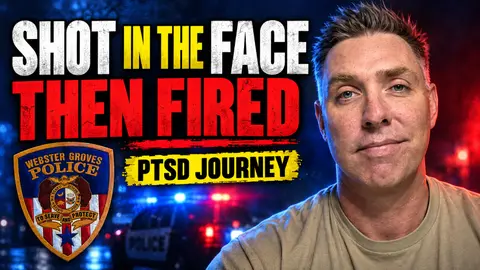
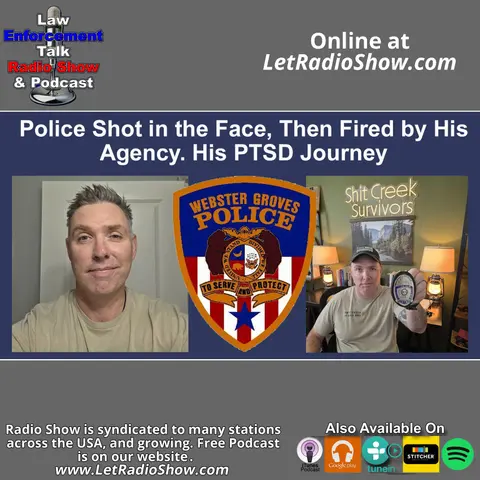
Navigating career termination after suffering a severe line-of-duty trauma presents unique psychological and professional challenges for law enforcement officers. When an officer is let go by their agency while still recovering from physical and psychological injuries like PTSD, the sudden loss of identity and financial stability can severely hinder the healing process and complicate long-term recovery.
Key Takeaways
- Losing a law enforcement career during injury recovery strips away a vital part of an officer's personal and professional identity.
- Agencies often struggle to balance operational readiness with the prolonged recovery timelines required for complex trauma.
- Forced career termination can accelerate psychological distress, compounding existing PTSD symptoms with feelings of betrayal and isolation.
- Transitioning from active duty to recovery coaching provides former officers with a renewed sense of purpose and a way to help others.
- Building a support network outside of traditional agency structures is critical for first responders facing sudden medical separation.
The Double Trauma of Injury and Termination
For most law enforcement officers, the uniform is not merely work clothing; it is an extension of their identity. When an officer is physically wounded in the line of duty, the immediate focus centers on survival, emergency surgeries, and physical rehabilitation. However, a secondary crisis often lurks just around the corner: administrative separation. When a police department terminates an officer because they cannot meet strict return-to-duty timelines, it triggers what many mental health professionals call "double trauma."
The first trauma is the physical attack or critical incident itself. The second is the sudden disenfranchisement from the brotherhood and sisterhood of the department. Officers spend years building a career centered on protecting their communities, only to find themselves locked out of the station when they need support the most. This administrative rejection can reinforce feelings of worthlessness and amplify the isolation inherent in post-traumatic stress disorder.
Identity Loss and the Police Subculture
Law enforcement possesses a unique, insular culture built on mutual trust, shared danger, and unwavering loyalty. When an officer is terminated due to prolonged medical recovery, they are often cut off from this protective subculture. Former officers frequently report that phone calls stop coming from colleagues, and the station that once felt like a second home becomes entirely inaccessible. Losing this peer group at the exact moment a survivor is battling debilitating flashbacks, hypervigilance, and depression creates a devastating vacuum.
Without the structure of a shift schedule and the camaraderie of the squad room, individuals often grapple with profound existential questions. If I am no longer a cop, who am I? This erosion of self-worth frequently leads to self-medication, strained family relationships, and a deepening cycle of despair that can rival the physical injuries sustained on the street.
The Impact of Forced Separation on PTSD Recovery
Post-traumatic stress disorder thrives in isolation and high-stress environments where emotional regulation is compromised. When an agency fires an injured officer, the acute stress of financial insecurity and professional loss directly interferes with neurological recovery. The brain, already struggling to process a life-threatening event like a gunshot wound to the head, must now expend massive amounts of energy managing the fallout of sudden job loss.
Clinical observations show that stress hormones like cortisol and adrenaline remain chronically elevated in individuals facing compounded crises. This physiological state makes it exceedingly difficult for trauma therapies, such as EMDR or cognitive processing therapy, to take root. When a survivor feels persecuted or abandoned by the very institution they bled for, the baseline sense of safety required for healing is fundamentally shattered.
Navigating the Bureaucracy of Medical Separations
Police unions and legal advocates often find themselves fighting uphill battles when dealing with administrative terminations tied to medical status. Departments face immense liability and operational pressures to maintain full-staffed shifts, leading some administrators to prioritize agency metrics over long-term officer wellness. Unfortunately, rigid policies rarely account for the non-linear nature of psychological recovery. While a broken bone has a predictable healing schedule, the human mind processing severe trauma operates on an entirely different, unpredictable timeline.
Rebuilding Purpose After the Badge
Despite the devastation of losing a career, many wounded first responders eventually discover a pathway forward by redefining their mission. Healing often begins when a survivor stops fighting the reality of their past and starts channeling their hard-won resilience into helping others. Transitioning from a law enforcement officer to an advocate, mentor, or recovery coach allows individuals to reclaim their narrative.
By leveraging personal experiences with trauma, medical emergencies, and administrative betrayal, former officers can connect with other trauma survivors on a deeply authentic level. This shift transforms pain into purpose, proving that while a badge can be taken away, the core calling to protect and serve others does not expire.
Conclusion
The journey from line-of-duty trauma to career termination and eventual recovery is complex, painful, and profoundly challenging. Yet, as demonstrated by firsthand accounts from survivors who have walked this dark path, life after the badge is possible. To hear a powerful, detailed discussion on surviving extreme trauma, navigating police agency termination, and finding a renewed sense of purpose, Listen to the full episode. Share this story to raise awareness for injured officers and support those fighting the hidden battles of PTSD.
Frequently Asked Questions
Why do police agencies fire officers recovering from line-of-duty injuries?
Agencies often cite operational needs, staffing minimums, and strict civil service or municipal timelines regarding maximum medical leave. When an officer cannot return to full duty within a designated window, administrative policies sometimes mandate medical separation, regardless of the psychological or physical toll of the injury.
How does losing a police career impact PTSD recovery?
Job termination introduces severe financial stress, loss of professional identity, and sudden isolation from the peer support network. This compounding trauma elevates stress hormones, deepens depression, and makes it significantly harder for the brain to process and heal from the original critical incident.
What resources are available for first responders facing medical separation?
First responders facing termination can utilize specialized peer support organizations, trauma-informed mental health professionals, union legal representation, and veteran-style transition networks designed specifically for individuals experiencing forced career changes due to medical trauma.
Can a police officer successfully rebuild their life after being forced out?
Yes. Many former officers pivot into peer support, trauma recovery coaching, or public speaking. By turning their personal adversity into a tool to help others navigate crisis, they discover a new sense of meaning and professional identity outside of active-duty policing.
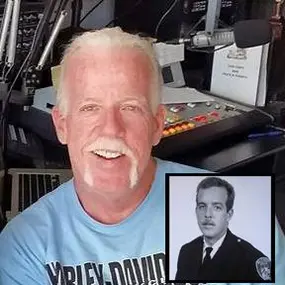
Radio Show Host and Producer
Retired from the Baltimore Police Department at the rank of Sergeant. He was retired early due a permanent line of duty injury that occurred during an act of violence. The injury resulted in 3 surgeries, two steel plates and a fusion of his right wrist and thumb.
About 8 years after retiring from police work, he began a career in the audio broadcasting space. Starting with "audio-blogs" in 1999. Which progressed into a brokered once a week radio show and then led to broadcasting school.
After graduating he has been a full time FM radio personality and launched the Law Enforcement Today Show as a podcast in March of 2017. This was in a partnership with Law Enforcement Today's Robert Greenberg. The show was quickly recruited by radio and is a nationally syndicated radio show, broadcasting weekly on many US Radio Stations to millions of people.
The partnership with them ended in the Summer of 2023 and the show was renamed the Law Enforcement Talk Radio Show and Podcast.
The radio show is syndicated by Talk Media Network. Go to the Radio Page of the site for more information.
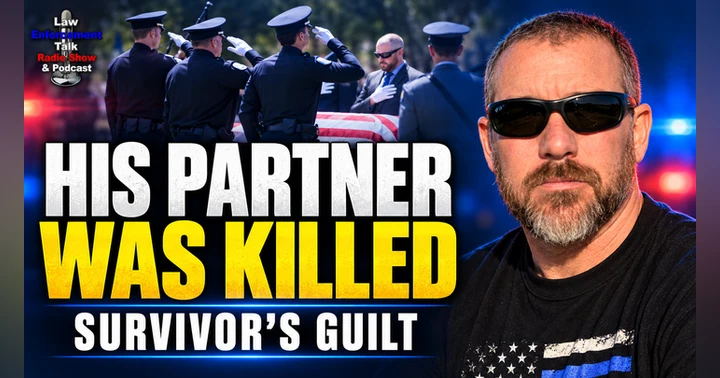
Coping With Survivor Guilt in Law Enforcement After Line-of-Duty Death