How Veterans Use Memoir Writing and Poetry to Process Combat PTSD
Writing poetry and memoirs serves as a powerful therapeutic outlet for military veterans processing combat PTSD, trauma, and the heavy emotional weight of military service. By externalizing painful memories through creative writing, veterans can organize chaotic experiences, confront anger safely, and build a renewed sense of personal identity long after leaving active duty.
Key Takeaways
- Creative writing allows combat veterans to safely externalize and process complex trauma without the immediate pressure of traditional talk therapy.
- Memoir writing and therapeutic poetry transform painful wartime memories into structured narratives that foster personal accountability and growth.
- Publishing personal struggles helps break the isolation of PTSD, offering relatable validation to fellow veterans and trauma survivors.
- Authors like retired Sergeant First Class William Alfred Stephens Jr. demonstrate that creative expression can turn dark life experiences into a purposeful civilian career.
The Therapeutic Power of Writing for Combat Veterans
Transitioning from the high-stress, life-or-death environment of wartime deployment back to civilian life requires a distinct type of mental strength. For many veterans, the internal battle continues long after the uniform comes off. Combat post-traumatic stress disorder (PTSD), survivor's guilt, and unresolved anger can feel suffocating when kept bottled up inside. While traditional clinical modalities like cognitive behavioral therapy remain essential, creative writing has emerged as an impactful complementary tool for emotional recovery.
When a veteran sits down to write poetry or draft a memoir, they take control of the narrative. Instead of memories ambushing them unexpectedly through flashbacks or triggers, the act of writing forces the brain to organize chaotic, high-intensity events into linear sentences and paragraphs. This structural containment helps reduce the physiological panic response associated with traumatic memories, allowing the individual to examine what happened from a slightly detached, analytical perspective.
Poetry as an Outlet for Unspoken Pain
Not all veterans find it easy to articulate their feelings in standard conversation. Military culture often prioritizes stoicism, mission accomplishment, and emotional suppression. Poetry bypasses the rigid barriers of standard conversation, offering a rhythmic and metaphorical canvas where raw emotion can safely land. Collections created specifically for the broken and the brave, such as therapeutic poetry volumes, allow individuals to express grief, rage, and confusion without needing to construct a chronological story.
Poetry serves as a shorthand for the soul. It captures the visceral impact of mortar fire, the loss of comrades, and the jarring contrast of returning to a peaceful neighborhood where grocery shopping feels alien. By distilling these monumental moments into concise stanzas, veterans often experience a profound sense of release.
Memoir Writing as a Tool for Identity Reconstruction
After decades of military service, retirement or separation can cause an identity crisis. When a soldier’s entire self-worth is tied to rank, unit cohesion, and operational readiness, civilian life can feel utterly directionless. Memoir writing acts as a bridge across this identity chasm.
Writing a memoir forces an honest, unfiltered look at the entirety of a life, from childhood roots to military triumphs, and through the darkest moments of disciplinary struggles, professional setbacks, or administrative trauma. For instance, facing the fallout of being relieved of duty in a combat zone requires radical self-honesty. Putting those painful experiences on paper strips away shame. It reframes past failures and hardships not as permanent character flaws, but as chapters in a much larger, ongoing human story.
Turning Personal Pain Into Public Purpose
The healing journey does not end when the manuscript is finished; for many veterans, sharing their stories opens the door to community mentorship and advocacy. By publishing memoirs and poetry books, veterans step into the role of a voice for the voiceless. They reach individuals who are suffering in silence, proving that carrying heavy scars does not mean surrendering your future.
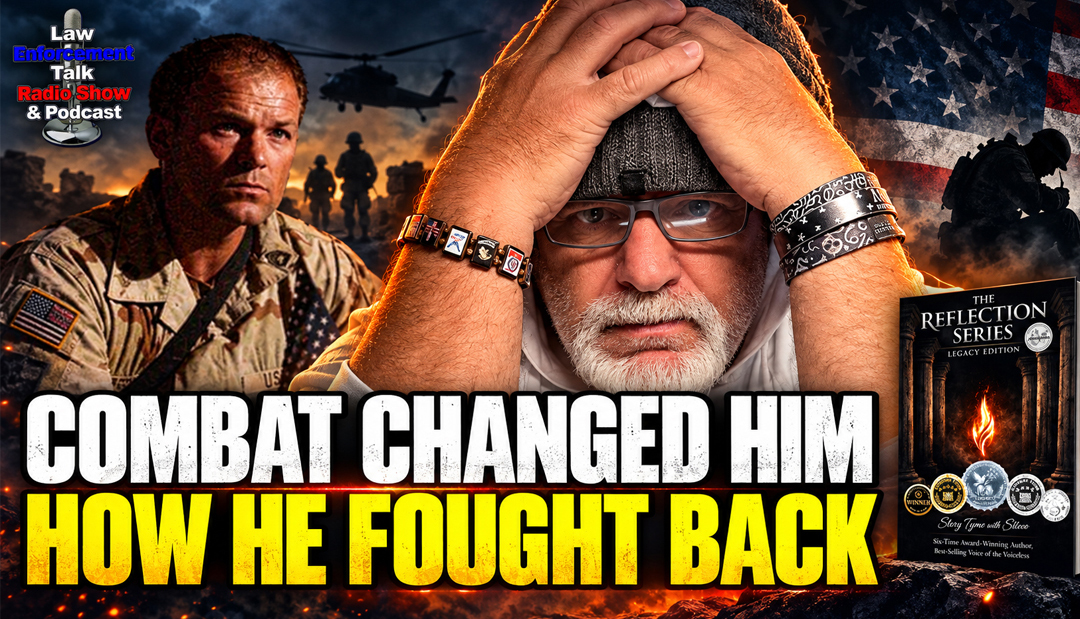
Consider the trajectory of retired Sergeant First Class William Alfred Stephens Jr., whose extensive military career and subsequent struggles with PTSD, anger, and identity shaped his literary works. Through award-winning memoirs and deeply personal poetry collections like The Mirror and The Broken Mirror, Stephens channeled decades of military combat experience into resources designed to help others feel less alone. His ongoing advocacy proves that a painful chapter does not have to become the entire story.
Breaking the Stigma Around Mental Health
One of the greatest barriers to veteran mental health treatment is the fear of vulnerability and social stigma. When decorated combat veterans openly discuss their mental health journeys, professional failures, and emotional breakdowns, it fundamentally shifts the cultural narrative. It signals to younger service members, police officers, and first responders that experiencing trauma does not make you weak—it makes you human.
Writing forces authors to confront their ego. To write honestly about anger management struggles, marital strain, or professional discipline issues requires immense courage. This vulnerability creates a powerful ripple effect, encouraging readers to seek help, pick up a pen of their own, or begin the difficult work of self-examination.
Conclusion
Combat PTSD and the civilian transition journey present immense challenges, but creative outlets like poetry and memoir writing offer a proven pathway toward self-redemption. By turning internal chaos into structured art, veterans can reclaim their narratives and build purposeful lives after service.
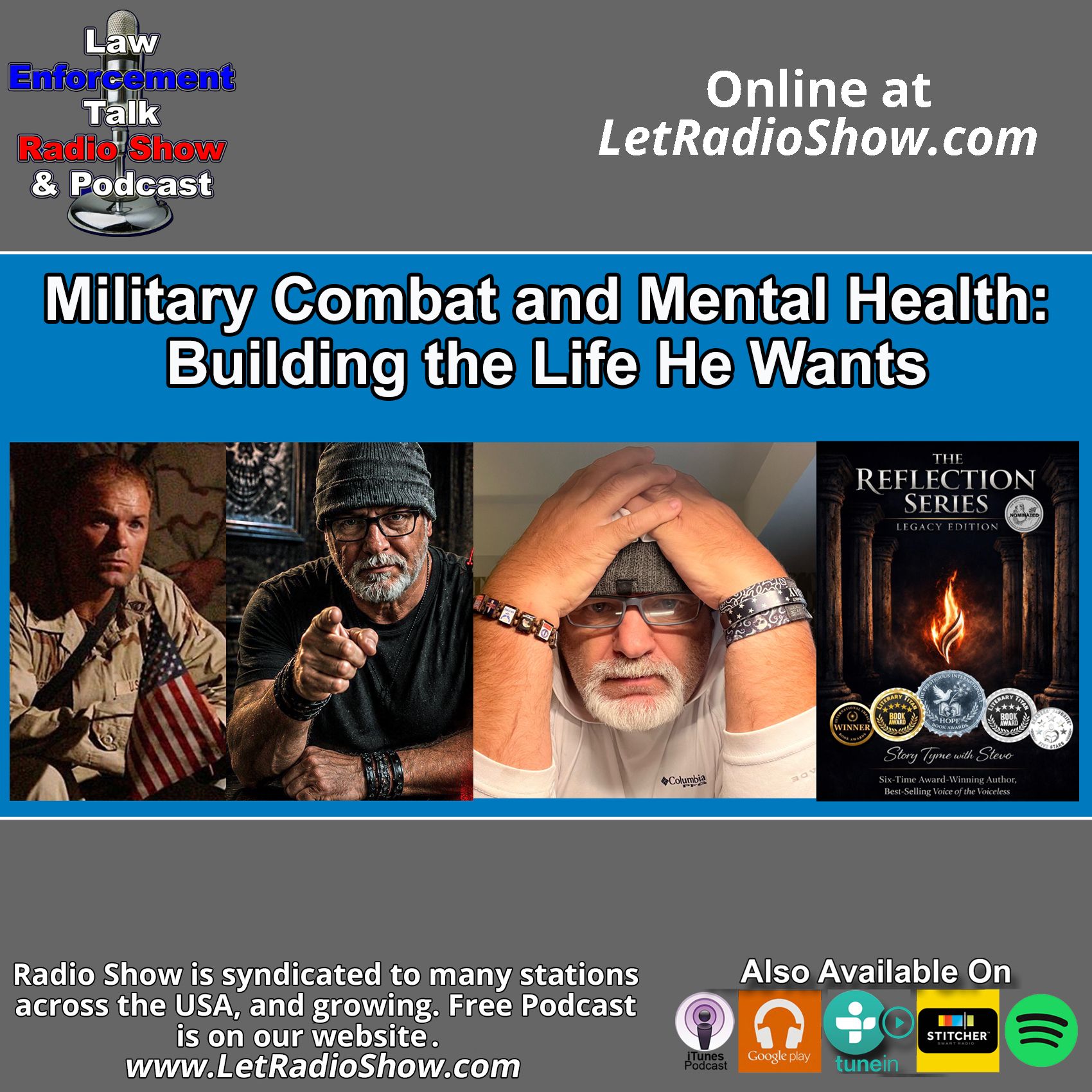
To hear an in-depth conversation about military combat, mental health, and the ongoing process of rebuilding a meaningful life, Listen to the full episode of the Law Enforcement Talk Radio Show and Podcast.
Frequently Asked Questions
How does writing help veterans process combat trauma?
Writing helps veterans organize chaotic memories into linear narratives, reducing the physiological panic response of trauma and allowing them to examine painful events from a safe emotional distance.
Why is poetry effective for expressing military experiences?
Poetry bypasses the need for chronological storytelling or traditional conversation, allowing veterans to use metaphor and rhythm to express raw emotions like grief, rage, and confusion that are hard to speak aloud.
Can memoir writing assist with the military-to-civilian transition?
Yes, writing a memoir helps veterans process the loss of their military identity, confront past professional or personal setbacks without shame, and construct a renewed sense of purpose in civilian life.
How do published veteran memoirs impact other trauma survivors?
Published veteran memoirs break the isolation of PTSD by validating the reader's hidden struggles, proving that seeking help and practicing self-honesty can lead to meaningful personal growth.

Radio Show Host and Producer
Retired from the Baltimore Police Department at the rank of Sergeant. He was retired early due a permanent line of duty injury that occurred during an act of violence. The injury resulted in 3 surgeries, two steel plates and a fusion of his right wrist and thumb.
About 8 years after retiring from police work, he began a career in the audio broadcasting space. Starting with "audio-blogs" in 1999. Which progressed into a brokered once a week radio show and then led to broadcasting school.
After graduating he has been a full time FM radio personality and launched the Law Enforcement Today Show as a podcast in March of 2017. This was in a partnership with Law Enforcement Today's Robert Greenberg. The show was quickly recruited by radio and is a nationally syndicated radio show, broadcasting weekly on many US Radio Stations to millions of people.
The partnership with them ended in the Summer of 2023 and the show was renamed the Law Enforcement Talk Radio Show and Podcast.
The radio show is syndicated by Talk Media Network. Go to the Radio Page of the site for more information.
Beyond 'I'm Fine': How Cops Hide Trauma Behind Extreme Fitness