How Autism Misunderstanding in Criminal Trials Leads to Wrongful Suspicion
When a defendant's behavior deviates significantly from societal norms, investigators and the public often mistake difference for guilt. In high-profile criminal cases involving reclusive individuals, misunderstood communication styles and undiagnosed neurodivergent traits can create a false narrative that heavily distorts the pursuit of justice.
Key Takeaways
- Unfamiliarity with autism spectrum traits frequently leads investigators and the public to misinterpret social withdrawal and flat affect as signs of guilt.
- Defendants with communication differences face severe disadvantages when police or prosecutors mistake eccentric behavior for deception.
- Medical and psychological evaluations are essential for reframing behaviors that deviate from societal norms during criminal investigations.
- Public prejudice can create an insurmountable presumption of guilt long before a defendant steps foot inside a courtroom.
- Defense attorneys must actively challenge behavioral stereotypes to ensure justice for neurodivergent individuals.
The Danger of Behavioral Stereotypes in Criminal Justice
Human psychology naturally seeks patterns, and when investigators encounter someone who does not react to tragedy or stress in a conventional manner, alarm bells ring. A suspect who appears cold, uncommunicative, or indifferent is often immediately flagged as a primary suspect in violent crimes. However, human emotional expression is not universal, and internal processing styles vary drastically across the population.
For neurodivergent individuals, particularly those on the autism spectrum, standard interrogation techniques and social expectations can be deeply confusing. An autistic defendant may avoid eye contact, provide overly literal answers, or fail to show expected emotional responses during questioning. To an untrained detective or a prejudiced community, these harmless neurodivergent traits look suspiciously like the behavior of a guilty mastermind hiding dark secrets.
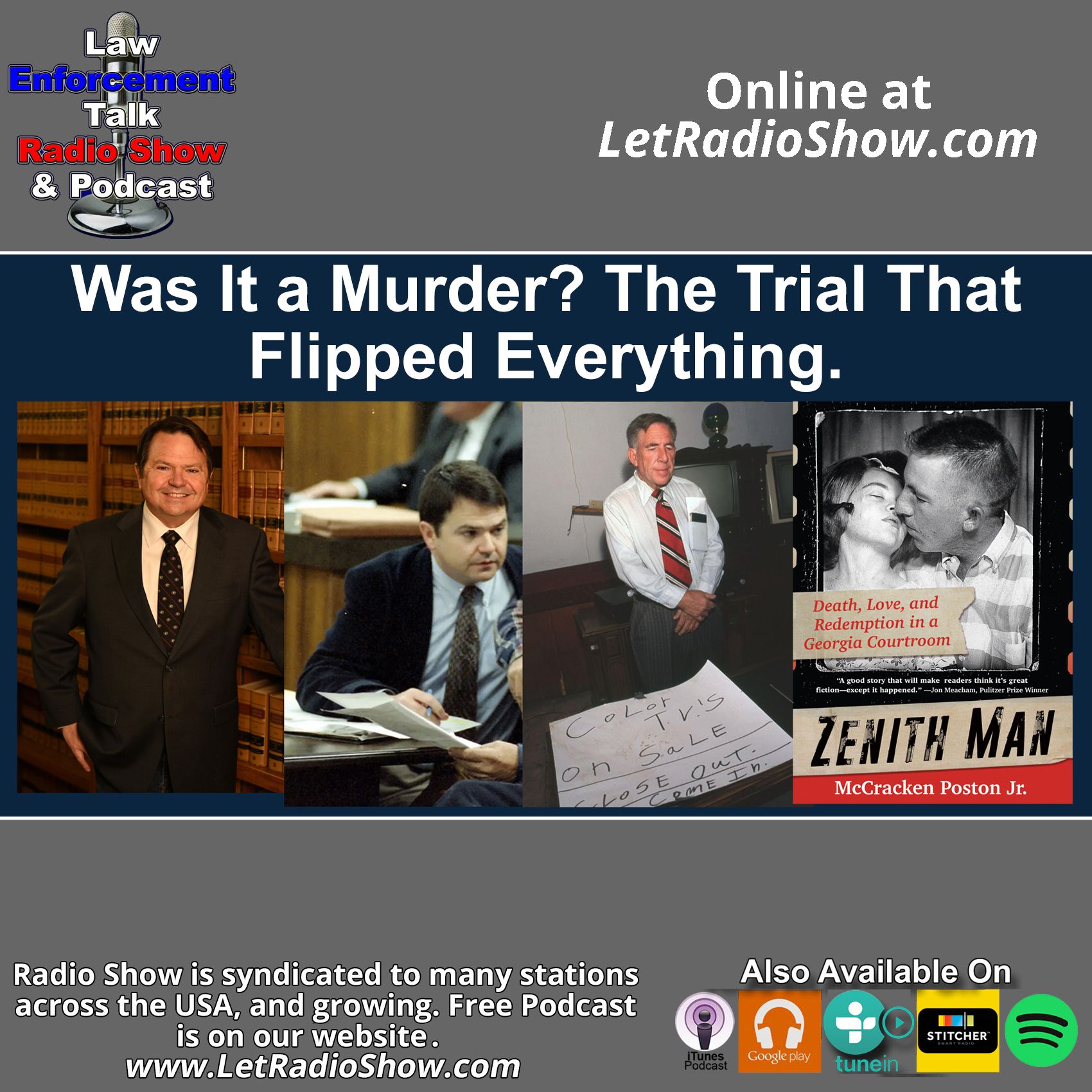
This phenomenon transforms ordinary quirks into powerful circumstantial evidence in the court of public opinion. When Alvin Ridley faced murder charges in Ringgold, Georgia, his isolated lifestyle, cluttered home, and socially awkward demeanor immediately framed him as the quintessential outsider. The community had already convicted him in their minds long before forensic experts looked closely at the actual cause of death.
How Communication Barriers Hinder Defense
Preparing a legal defense requires deep collaboration between an attorney and their client. When a client struggles with communication, processing social cues, or opening up about private matters, building a credible defense becomes exceptionally difficult.
Defense attorneys must often push past their clients' defensive walls and unconventional behaviors to find the truth. If a defendant refuses to explain personal arrangements, such as an unconventional marriage or a secluded lifestyle, law enforcement and prosecutors fill those informational gaps with their own alarming theories. In Ridley's case, the absence of a visible social life was spun into a sinister tale of captivity and murder, while the medical reality of the situation remained buried under layers of community gossip.
The Role of Medical and Psychological Context
Overcoming bias in a courtroom requires replacing speculation with clinical expertise. When behavioral quirks are mistaken for criminal intent, psychological evaluations and neurological diagnoses can fundamentally alter how a case is perceived.
In many wrongful suspicion cases, a post-trial or pre-trial diagnosis of autism spectrum disorder provides the missing puzzle piece. It explains why a person lived in isolation, why they communicated poorly under pressure, and why their reactions defied standard expectations. Recognizing these traits does not just humanize the defendant; it provides a rational explanation for behaviors that prosecutors attempt to weaponize as proof of a guilty conscience.
Unfortunately, many defendants are judged and convicted before psychological assessments are fully integrated into the investigative narrative. The legal system is slowly learning that a strange personality is not a substitute for a smoking gun, but the burden often falls on exceptional defense attorneys to dismantle prejudice piece by piece.
Lessons for Investigators and Juries
Law enforcement professionals and jurors must be trained to recognize the signs of neurodivergence and emotional atypicality. Treating every unusual suspect as a pathological liar or a dangerous sociopath leads to catastrophic miscarriages of justice. Investigators must prioritize hard forensic evidence, medical examiner reports, and verifiable facts over gut feelings generated by a suspect's social awkwardness.
Similarly, juries must be instructed to evaluate actions based on objective proof rather than emotional discomfort. A defendant's inability to conform to courtroom etiquette or societal norms should never be used as a metric for criminal culpability.
Conclusion
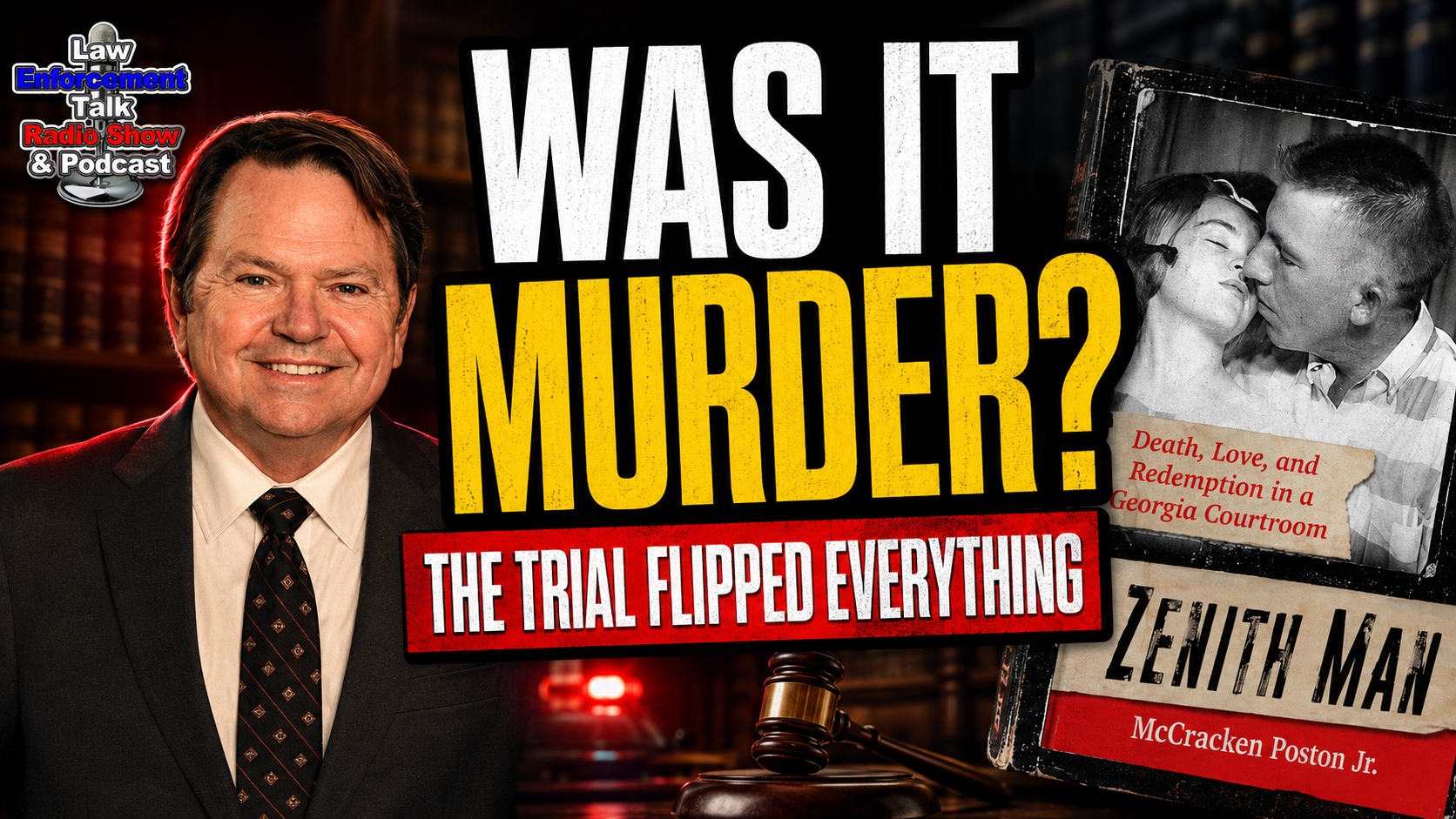
The intersection of criminal justice and neurodivergence reveals a sobering truth: society is often too quick to condemn those it does not understand. Cases like Alvin Ridley's demonstrate the vital importance of looking past superficial eccentricities to uncover objective facts. To explore this fascinating legal battle and the extraordinary defense that changed everything, Listen to the full episode on the Law Enforcement Talk Radio Show and Podcast.
Frequently Asked Questions
How can autism traits be misinterpreted in a criminal investigation?
Traits such as lack of eye contact, flat affect, repetitive behaviors, and social withdrawal are frequently misinterpreted by investigators as signs of guilt, evasiveness, or lack of remorse.
Why did Alvin Ridley's behavior make him a target for police suspicion?
Alvin Ridley lived as a reclusive television repairman in a cluttered home with a wife whose existence was unknown to many townspeople, creating an unusual profile that law enforcement and the public quickly viewed through a suspicious lens.
What role does expert testimony play in defending neurodivergent defendants?
Expert testimony helps educate judges and juries about autism spectrum disorder, providing medical and psychological context that explains why a defendant communicates or reacts differently than expected.
Why is public perception dangerous for defendants who do not conform socially?
Public prejudice often establishes a presumption of guilt before trial, making it difficult for a jury to look past eccentricities and evaluate the actual forensic and medical evidence objectively.

Radio Show Host and Producer
Retired from the Baltimore Police Department at the rank of Sergeant. He was retired early due a permanent line of duty injury that occurred during an act of violence. The injury resulted in 3 surgeries, two steel plates and a fusion of his right wrist and thumb.
About 8 years after retiring from police work, he began a career in the audio broadcasting space. Starting with "audio-blogs" in 1999. Which progressed into a brokered once a week radio show and then led to broadcasting school.
After graduating he has been a full time FM radio personality and launched the Law Enforcement Today Show as a podcast in March of 2017. This was in a partnership with Law Enforcement Today's Robert Greenberg. The show was quickly recruited by radio and is a nationally syndicated radio show, broadcasting weekly on many US Radio Stations to millions of people.
The partnership with them ended in the Summer of 2023 and the show was renamed the Law Enforcement Talk Radio Show and Podcast.
The radio show is syndicated by Talk Media Network. Go to the Radio Page of the site for more information.
Beyond 'I'm Fine': How Cops Hide Trauma Behind Extreme Fitness