You Have 3 Seconds to Earn A Consumer's Attention
You Have 3 Seconds to Earn A Consumer's Attention. Make the First Words Count. Whether you’re writing a Facebook post, naming a podcast episode, or opening a video ad, give people a reason to stay.
“Welcome back to another episode of our podcast.”
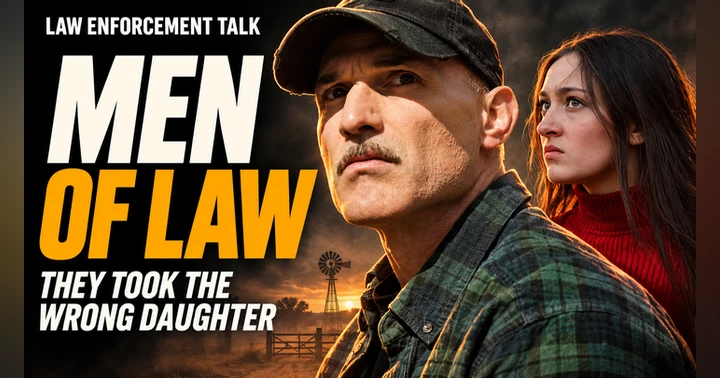
“Two murders went cold for nearly 50 years.”
Which opening makes you want to hear the next sentence? The first tells people where they are. The second gives them a reason to stay.
Think of three seconds as a writing test. If someone reads only your first three or four words, can they tell what’s in it for them? That applies to webpage titles, social posts, podcast intros, and ads. Even when you’re asking for nothing more than someone’s time, you still have to earn it. Give them a reason to spend time with you.
Lead with what your audience already cares about
Before you write, ask what your reader wants to learn, solve, or understand. Then put that idea as close to the beginning as possible.
- Social post: “Still paying for subscriptions you forgot about?”
- Webpage title: “How to Cut Your Monthly Bills”
- Podcast title: “Two Cold Cases. One Trial.”
- Video ad: “Here’s why your first sentence matters.”
Look at every opening that starts with “I,” “me,” “my,” or “we.” Can you get to the part the reader cares about sooner? A personal story can make a strong opener when it starts with the moment that matters. “I watched my podcast downloads stall for months” gives readers more to work with than “I wanted to share an update.”
Keyword tools such as Ubersuggest (https://neilpatel.com/ubersuggest/) can help you find the words people use when they search for your topic. Use that language to make the opening clear, then write a title you can deliver on.
A view, a click, and a customer are three different numbers
Imagine your video shows 10,000 views. In this example, suppose 97% of those views were brief and only 3% reached the 15-second mark. That gives you 300 viewers who watched at least 15 seconds.
How many became customers? You need two more numbers to answer that.
Step | Illustrative result |
Views counted by the platform | 10,000 |
Viewers who reached 15 seconds | 300 |
People who clicked through, assuming 10% of those viewers clicked | 30 |
Expected conversions, assuming 2% of those clicks converted | 0.6, or roughly one on average
That’s the difference a headline view count can hide.
Use 15 seconds as one checkpoint when reviewing your analytics. Look at where people leave, how many click, and how many take the action you asked for. If more viewers stay but clicks remain flat, review the offer and call to action. If viewers leave before they hear either one, start with the opening.
Cut the first few seconds of dead time
- Start where the story starts. Trim the pause, mic check, and setup. If the first useful sentence starts at second five, move it to second one.
- Use movement that helps tell the story. Show the product in use, bring up the relevant photo, or cut to the person speaking as they make the point.
- Add captions from the first spoken line. Captions help viewers who are deaf or hard of hearing and people scrolling with the sound off. Check the wording for accuracy, especially names and numbers.
- Give people one clear next step. “Listen to the free episode,” “Read the full story,” or “See how it works” tells them exactly what to do.
Before you publish your next post or ad, read the first line by itself. Then play the first three seconds of your video with the sound off. Would the person you’re trying to reach know why it’s worth staying? Not what you think but what they would think?
Start with the hook or as I fondly say "Punch them in the Mouth with what's in it for them.
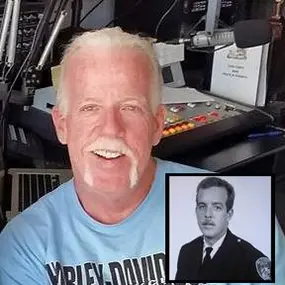
Radio Show Host and Producer
Retired from the Baltimore Police Department at the rank of Sergeant. He was retired early due a permanent line of duty injury that occurred during an act of violence. The injury resulted in 3 surgeries, two steel plates and a fusion of his right wrist and thumb.
About 8 years after retiring from police work, he began a career in the audio broadcasting space. Starting with "audio-blogs" in 1999. Which progressed into a brokered once a week radio show and then led to broadcasting school.
After graduating he has been a full time FM radio personality and launched the Law Enforcement Today Show as a podcast in March of 2017. This was in a partnership with Law Enforcement Today's Robert Greenberg. The show was quickly recruited by radio and is a nationally syndicated radio show, broadcasting weekly on many US Radio Stations to millions of people.
The partnership with them ended in the Summer of 2023 and the show was renamed the Law Enforcement Talk Radio Show and Podcast.
The radio show is syndicated by Talk Media Network. Go to the Radio Page of the site for more information.
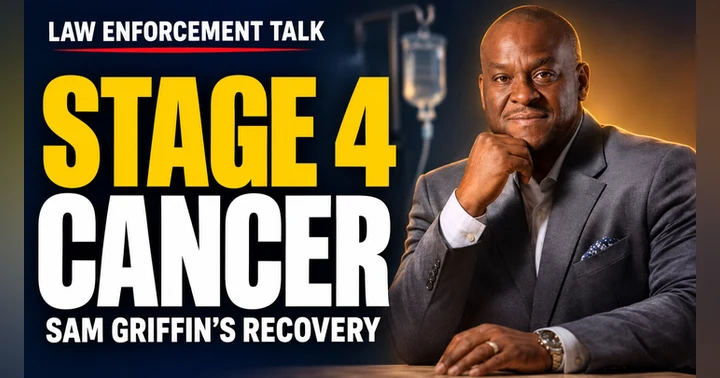
Transitioning From Executive Protection to Private Security Leadership