Why Workers Comp Labels Necessary Firefighter Surgeries as Elective
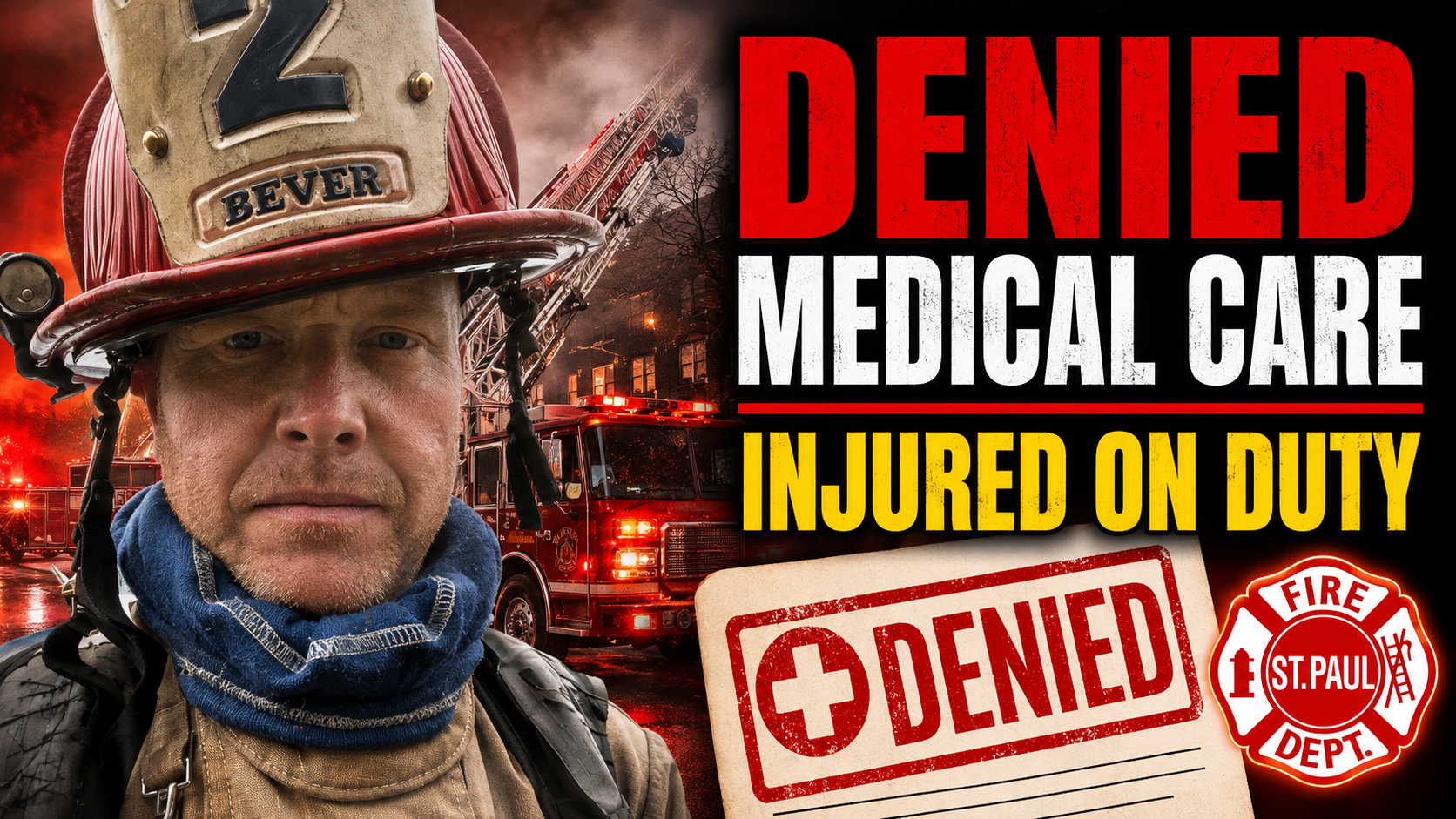
When a firefighter undergoes major orthopedic surgery to repair joint and nerve damage sustained during a severe commercial fire, they expect the medical procedure to be fully covered by workers compensation. However, insurers and state officials frequently classify these essential interventions as 'elective,' creating catastrophic financial and physical barriers for injured public servants.
Listen to the full episode here.
Key Takeaways
- Medical procedures required to fix line-of-duty injuries are frequently mislabeled as elective by insurance administrators.
- The classification of essential orthopedic surgeries as optional creates severe bureaucratic roadblocks for injured first responders.
- Delays caused by workers compensation disputes often worsen chronic conditions and lead to long-term nerve damage.
- Labeling necessary treatments as elective shifts astronomical medical debt onto firefighters and their families.
- Navigating administrative denials forces injured personnel to fight physical pain, financial ruin, and career loss simultaneously.
The Bureaucratic Definition of Elective Surgery
In standard medical terminology, an elective procedure is simply any surgery that is scheduled in advance rather than performed as an immediate, life-saving emergency room intervention. A joint reconstruction, shoulder repair, or spinal stabilization can be scheduled on a calendar weeks ahead of time, fitting the literal definition of elective.
The problem arises when insurance adjusters and workers compensation gatekeepers weaponize this definition. To an administrator sitting behind a desk, 'elective' easily morphs into 'optional' or 'cosmetic' in practice. When treating physicians state that a surgery is medically necessary to restore mobility and alleviate agonizing pain, insurance systems often ignore clinical evidence. They lean on semantic loopholes to categorize essential healing procedures as non-essential, thereby justifying claim denials and shifting the financial burden onto the injured worker.
How Denials Compound Physical and Financial Trauma
For first responders like retired St. Paul Fire Captain Tom Bever, who suffered severe trauma after falling from an icy ladder during a commercial fire, the human cost of these administrative labels is devastating. Bever required multiple surgeries on his shoulders, hips, and knees, alongside treatment for extensive nerve damage. Yet, because these procedures were labeled elective by state officials, his workers comp claims faced relentless obstacles.
When insurance programs refuse to authorize medically recommended procedures, the consequences extend far beyond a delayed doctor appointment:
- Worsening Pathology: Waiting years for legal and medical appeals allows injuries to degenerate further, transforming acute trauma into permanent disability.
- Escalating Out-of-Pocket Debt: Injured firefighters are frequently forced to choose between paying for critical surgeries out of pocket or living with disabling pain. This dynamic drives many families into severe debt.
- Forced Asset Liquidation: The overwhelming weight of medical bills often forces families to sell their homes, downsize drastically, or experience total financial displacement, just as Bever and his family did.
Listen to the full episode here.
The Three-Front War Faced by Injured First Responders
A firefighter dealing with a denied line-of-duty injury is never fighting just one battle. Recovery requires physical rehabilitation, but that healing process is sabotaged when the individual is simultaneously waging a psychological war over the loss of a cherished career and a financial war against institutional bureaucracy.
When a career ends abruptly due to injuries, the loss of identity, camaraderie, and daily purpose creates profound grief. Adding an adversarial insurance claims process to this mix creates an impossible burden. Instead of resting and focusing on rehabilitation, the injured firefighter must spend their remaining energy fighting the very system designed to protect them.
Conclusion
The systematic labeling of necessary medical care as elective highlights a profound disconnect between the sacrifices communities ask first responders to make and the safety nets provided when those responders are hurt. Protecting public servants requires more than thanking them at the station house; it demands a transparent, fair workers compensation process that respects medical evidence over administrative loopholes.
To hear the full, heartbreaking story of how one captain navigated career-ending injuries, denied medical care, and the fight to rebuild his life, Listen to the full episode of the Law Enforcement Talk Radio Show and Podcast.
Frequently Asked Questions
What does 'elective surgery' mean in a workers compensation context?
In workers compensation claims, insurers often use 'elective' to describe any procedure that is scheduled in advance rather than performed immediately in an emergency room, regardless of how medically necessary it is to restore function.
Why would an insurance company deny a firefighter's surgery?
Insurance administrators may dispute whether an injury was directly caused by a specific workplace incident, argue that a condition was pre-existing, or claim that conservative treatments should be tried longer before approving surgical intervention.
How do delayed surgeries impact long-term physical recovery?
When necessary orthopedic or neurological surgeries are delayed for months or years due to appeals and claim denials, scar tissue can build up, underlying damage can worsen, and permanent nerve damage may develop.
Are firefighters protected by presumption laws for medical claims?
While presumption laws help connect certain illnesses like specific cancers or cardiac issues to firefighting, orthopedic injuries from acute accidents like ladder falls still face standard, highly adversarial workers compensation scrutiny.

Radio Show Host and Producer
Retired from the Baltimore Police Department at the rank of Sergeant. He was retired early due a permanent line of duty injury that occurred during an act of violence. The injury resulted in 3 surgeries, two steel plates and a fusion of his right wrist and thumb.
About 8 years after retiring from police work, he began a career in the audio broadcasting space. Starting with "audio-blogs" in 1999. Which progressed into a brokered once a week radio show and then led to broadcasting school.
After graduating he has been a full time FM radio personality and launched the Law Enforcement Today Show as a podcast in March of 2017. This was in a partnership with Law Enforcement Today's Robert Greenberg. The show was quickly recruited by radio and is a nationally syndicated radio show, broadcasting weekly on many US Radio Stations to millions of people.
The partnership with them ended in the Summer of 2023 and the show was renamed the Law Enforcement Talk Radio Show and Podcast.
The radio show is syndicated by Talk Media Network. Go to the Radio Page of the site for more information.

What It Was Like Being a Teenage Police Officer in 1980s South Africa