When Rumors Overshadow Evidence: How Media Narratives Impact Police Shooting Trials
When a law enforcement officer is involved in a fatal shooting, the public demands swift answers and accountability. However, when unverified rumors and intense media coverage take over the narrative, the line between objective forensic evidence and sensational storytelling can quickly blur, fundamentally altering the trajectory of a criminal trial.
Key Takeaways
- Unverified gossip and public narratives can heavily sway the court of public opinion before a trial even begins.
- High-profile law enforcement cases often attract intense media coverage that blurs the line between objective evidence and sensationalism.
- Prosecutors and defense teams frequently battle not just over forensic facts, but over the underlying psychological theories presented to jurors.
- The case of former Texas deputy Kent McGowen highlights the dangerous intersection of media speculation and the criminal justice system.
The Power of Public Narratives in Criminal Trials
In the modern media landscape, high-profile criminal cases rarely stay confined to the courtroom. Long before a jury is seated and the first piece of physical evidence is introduced, the public has often already consumed hours of news commentary, social media debates, and neighborhood gossip. For police officers standing trial for actions taken while on duty, this phenomenon creates a uniquely hostile environment.
When an incident occurs, the human mind naturally seeks a coherent story to explain tragedy. Unfortunately, investigators, journalists, and everyday observers often construct a narrative early in the process and then interpret every subsequent piece of evidence through that specific lens. If a rumor suggests a personal motive or an underlying conspiracy, that theory can quickly overshadow hard physical facts, leaving defendants fighting not just the formal charges against them, but an entrenched public perception.
From Justified Shooting to Murder Prosecution
The transition from an initial law enforcement assessment to a full-scale murder prosecution is rarely straightforward. In many controversial cases, an incident that is initially reviewed and deemed a split-second act of self-defense can later be re-examined under mounting public pressure. When community outcry reaches a boiling point, the legal system faces immense pressure to respond.
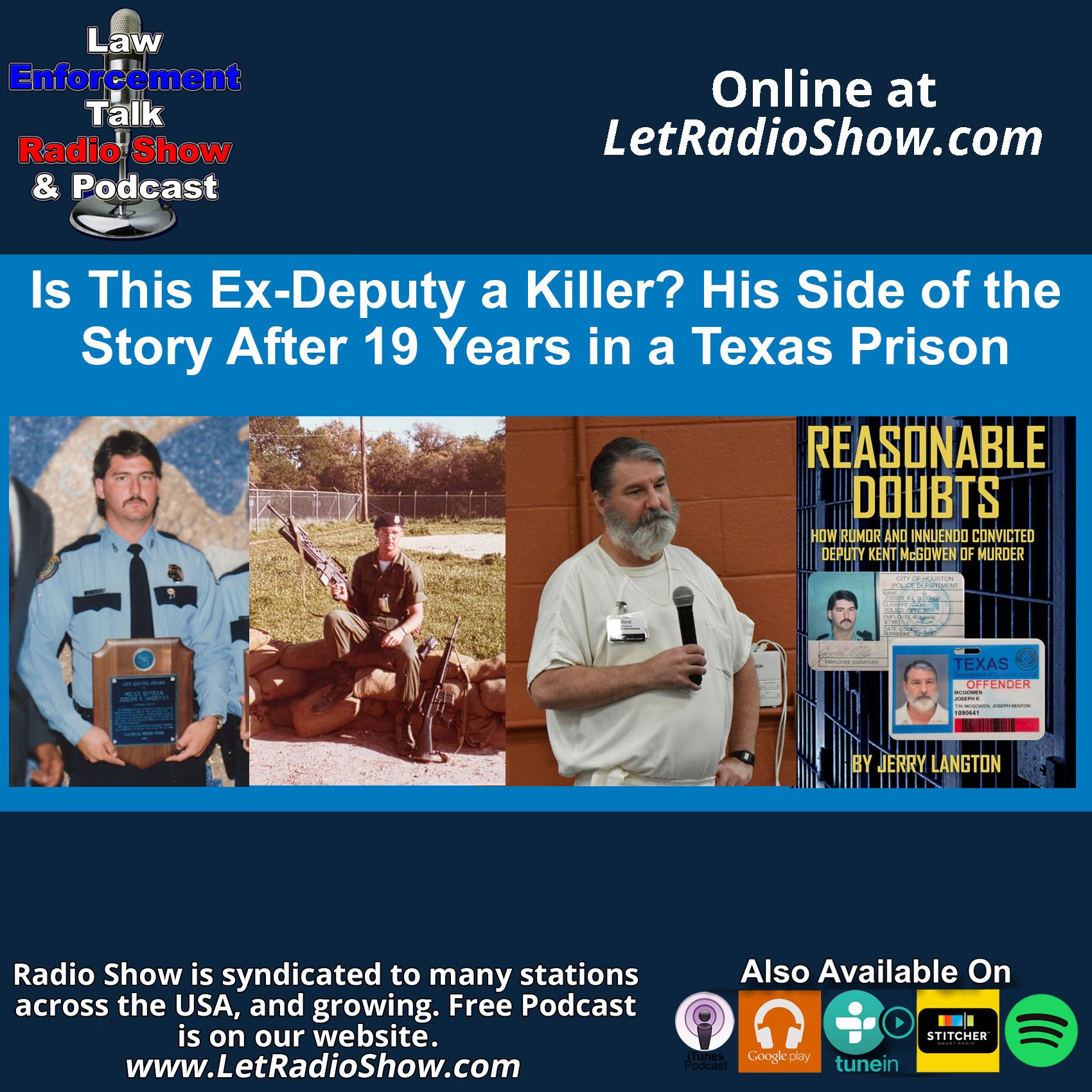
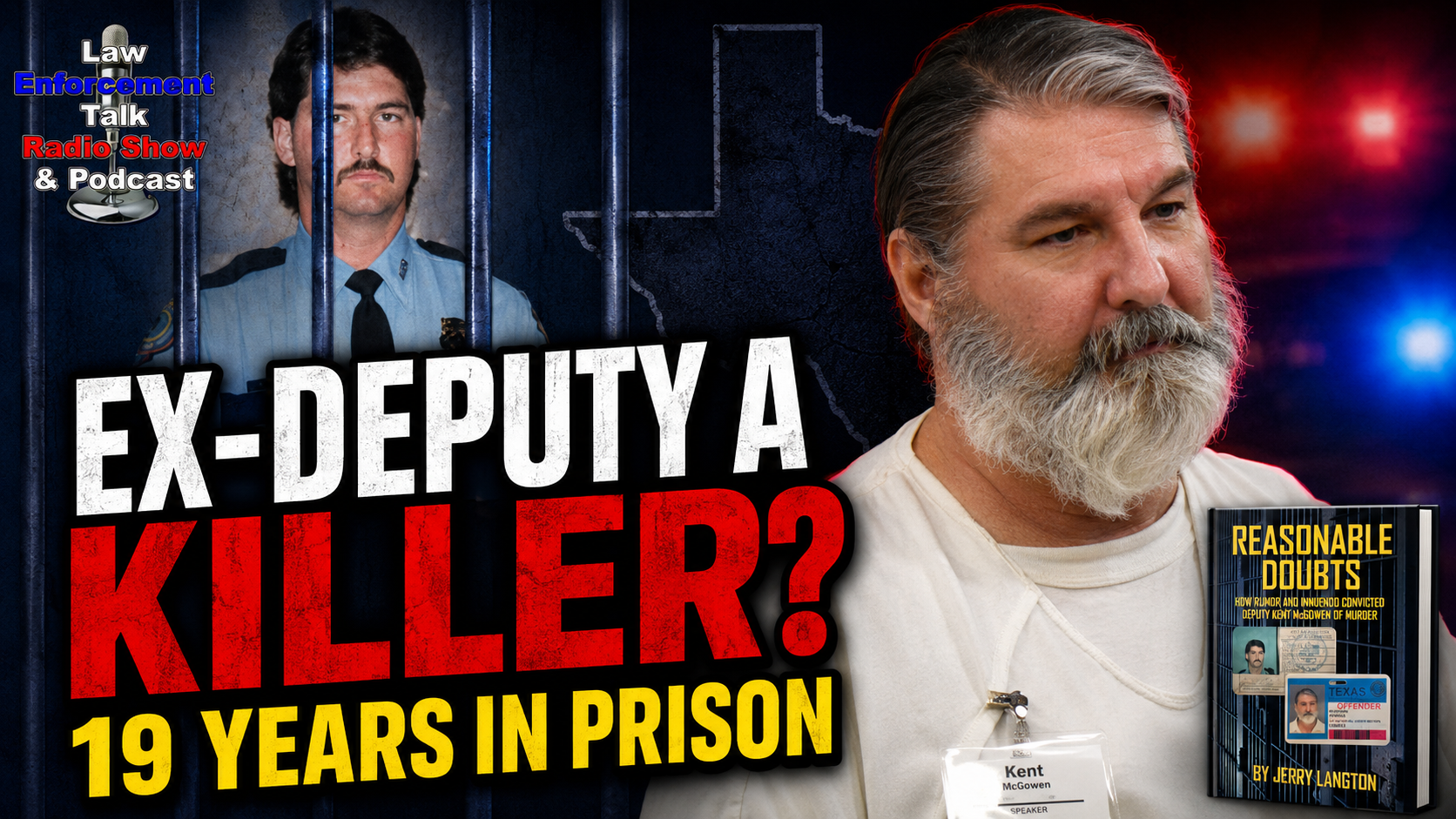
This dynamic was starkly evident in the legal battle surrounding former Harris County Sheriff’s Office Deputy Kent McGowen. Initially, the fatal shooting of an armed individual during the execution of a warrant was viewed through the standard operational framework of law enforcement encountering a deadly threat. However, as sensational rumors regarding an alleged personal relationship began to spread throughout the Houston area, the public narrative shifted dramatically.
The Danger of Hearsay and Speculation in Testimony
One of the most persistent challenges in cases heavily influenced by public rumor is the introduction of circumstantial or hearsay testimony. When witnesses take the stand in an environment saturated by local gossip, the boundaries between firsthand knowledge and repeated hearsay can easily blur. Jurors are tasked with separating verified facts from emotionally charged speculation, a task made extraordinarily difficult when the prevailing community narrative paints the defendant as a villain before the trial even commences.
Defense attorneys frequently argue that once a toxic wave of rumor takes root, it becomes nearly impossible to eradicate from the minds of jurors. Every action the defendant took, no matter how standard within police protocols, is reinterpreted as evidence of a sinister plot. This creates an uphill battle for the defense, who must dismantle a fictionalized storyline rather than simply address the physical evidence recovered from the scene.
The Long-Term Consequences of a Tainted Trial
When a defendant is convicted under a cloud of media sensationalism and unverified rumors, the consequences extend far beyond the courtroom walls. For a former law enforcement officer, incarceration in a state prison carries unique dangers, as they are housed alongside individuals they may have once arrested or investigated.
Beyond the immediate physical risks of incarceration, the psychological toll of watching one's entire career, reputation, and freedom stripped away by a narrative believed to be false is profound. Even after serving decades behind bars and eventually gaining freedom, individuals often find that the digital footprint of their trial continues to follow them, shaping how strangers view them and complicating any efforts to clear their name.
Conclusion
The interplay between media sensationalism, public rumor, and the criminal justice system remains one of the most troubling aspects of modern legal history. Examining cases where public opinion outpaced forensic reality forces us to ask difficult questions about fairness, evidence, and the presumption of innocence. To dive deeper into how a Texas deputy's career ended in a controversial murder conviction and to hear his perspective after more than 19 years in prison, Listen to the full episode on the Law Enforcement Talk Radio Show and Podcast.
Frequently Asked Questions
How do rumors impact a defendant's right to a fair trial?
When sensational rumors circulate widely in the media, they can bias potential jurors, making it exceptionally difficult to find individuals who have not formed a pre-trial opinion about the defendant's guilt or innocence.
What is the 'court of public opinion' in high-profile criminal cases?
The court of public opinion refers to the influence that media reports, social media discussions, and public sentiment have on the perception of a case, which often operates independently of courtroom rules of evidence.
Why are police shooting cases particularly susceptible to media sensationalism?
Police shootings inherently involve public safety, authority, and accountability, making them high-interest topics for media outlets that can sensationalize split-second operational decisions for viewership.

Radio Show Host and Producer
Retired from the Baltimore Police Department at the rank of Sergeant. He was retired early due a permanent line of duty injury that occurred during an act of violence. The injury resulted in 3 surgeries, two steel plates and a fusion of his right wrist and thumb.
About 8 years after retiring from police work, he began a career in the audio broadcasting space. Starting with "audio-blogs" in 1999. Which progressed into a brokered once a week radio show and then led to broadcasting school.
After graduating he has been a full time FM radio personality and launched the Law Enforcement Today Show as a podcast in March of 2017. This was in a partnership with Law Enforcement Today's Robert Greenberg. The show was quickly recruited by radio and is a nationally syndicated radio show, broadcasting weekly on many US Radio Stations to millions of people.
The partnership with them ended in the Summer of 2023 and the show was renamed the Law Enforcement Talk Radio Show and Podcast.
The radio show is syndicated by Talk Media Network. Go to the Radio Page of the site for more information.
The Financial Cost of Losing Trained and Experienced Cops