How 1970s Ohio Cold Cases Were Solved Without Modern DNA Databases
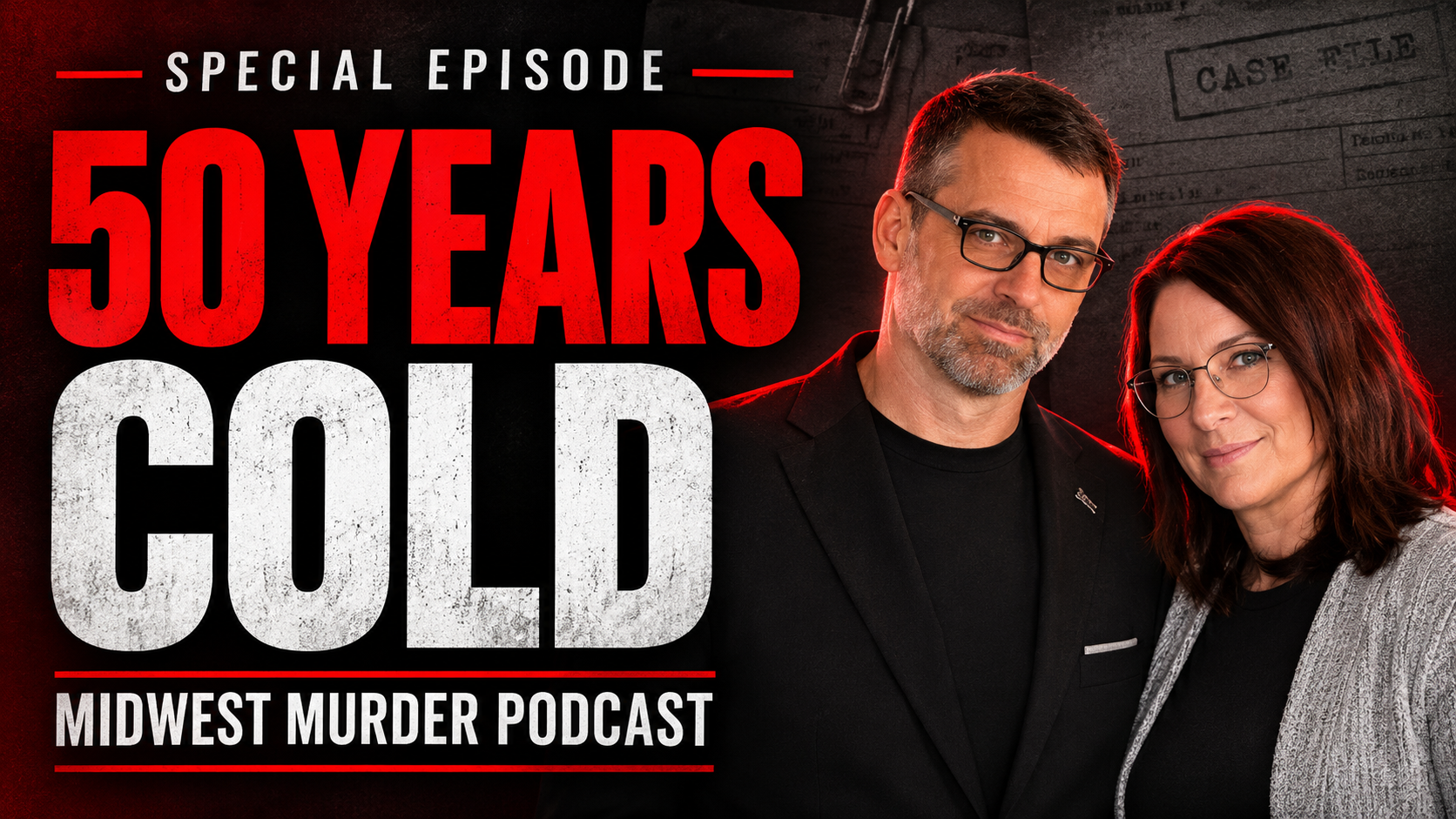
Solving homicides from the 1970s requires a specialized approach when investigators lack the sophisticated digital tools and automated DNA profiling systems modern forensic science relies on today. By examining the multi-decadal pursuit of justice in the murders of Karen Bentz and Loretta Jean Davis, we can understand how persistent police work, archival evidence preservation, and historical legal navigation finally brought a 78-year-old Stark County killer to justice nearly fifty years later.
Listen to the full episode or Red More for Free.
Key Takeaways
- Karen Bentz and Loretta Jean Davis were murdered in Ohio five years apart during the 1970s.
- Investigators did not have access to modern DNA databases or cross-county digital tools when these crimes originally occurred.
- A Stark County man was finally convicted and sentenced to life in prison in 2024, nearly half a century later.
- Prosecutors brought charges based on the specific Ohio criminal laws that were in effect during the exact years the crimes took place.
The Reality of 1970s Investigative Hurdles
When Karen Bentz was found murdered in Tallmadge, Ohio, in April 1970, and when Loretta Jean Davis met a similar tragic fate in September 1975, the landscape of American law enforcement looked entirely different. Detectives operated in an era defined by paper files, physical evidence lockers, local jurisdiction silos, and analog communication channels. There was no Combined DNA Index System (CODIS), no universal automated fingerprint identification network, and no way to instantly ping regional departments to compare modus operandi across neighboring county lines.
Despite these monumental handicaps, the foundational pillars of police work remained constant. Witnesses were interviewed, physical clues were documented by hand, and initial impressions were logged into case files that would sit dormant in basements and archive rooms for decades. The absence of high-tech shortcuts meant that any eventual breakthrough would depend heavily on preserved physical evidence, evolving witness recollections, and the sheer tenacity of cold case investigators willing to look backward when contemporary leads had dried up.
Jurisdictional Isolation and Evidence Silos
In the mid-1970s, police departments in places like Akron, Tallmadge, and Brimfield operated largely independently. Sharing cross-jurisdictional intelligence required physical mail, telephone calls, or in-person meetings. Because Karen Bentz's case occurred in 1970 and Loretta Jean Davis's case occurred in 1975, the five-year gap further insulated the two investigations from being immediately connected as the work of a single predatory individual. Without centralized databases to flag similarities in the strangulations, blunt force, or sharp-force trauma, each file remained an isolated puzzle.
Listen to the full episode or Red More for Free.
Navigating Historical Statutes and Legal Frameworks
One of the most complex elements of prosecuting a cold case spanning half a century is the legal landscape itself. Criminal statutes change over time, and prosecutors cannot simply apply current sentencing guidelines or modern definitions of criminal charges to historical acts. When the breakthrough finally came and an indictment was handed down in 2019, the legal team faced the intricate task of tailoring their prosecution to the exact Ohio laws that were in effect when the crimes were committed.
This meant handling two different legal benchmarks from the 1970s. Prosecutors had to ensure that the elements of the crimes satisfied the historical statutes under which the suspect was originally governed. This meticulous adherence to legal precedent ensures that long-awaited convictions withstand appellate scrutiny, preventing decades of investigative effort from unraveling on technicalities in the courtroom.
The Long Road From Indictment to Verdict
An arrest and indictment in 2019 marked a major turning point, but the journey to a courtroom verdict took several more years. Legal proceedings involving decades-old evidence often face unique hurdles, including the death or aging of witnesses, degraded physical samples, and defense arguments surrounding speedy trial rights or lost memories. Yet, the culmination of this half-century effort arrived when a jury returned a guilty verdict against the 78-year-old defendant, resulting in a mandatory life sentence that brought a measure of closure to Summit County and Portage County communities.
Listen to the full episode or Red More for Free.
Conclusion
The resolution of these historic Ohio homicides proves that time alone does not dilute the commitment of dedicated law enforcement professionals. While modern forensics and DNA databases receive much of the modern true crime spotlight, the unglamorous, patient review of paper files, historical statutes, and preserved physical evidence remains vital to unlocking the past.
To dive deeper into the harrowing details of these investigations and hear how law enforcement agencies ultimately bridged a 50-year gap for the families of Karen Bentz and Loretta Jean Davis, Listen to the full episode. Explore the complete discussion on the Law Enforcement Talk Radio Show and Podcast to understand the true impact of cold case resolutions on modern policing.
Frequently Asked Questions
What technological limitations did 1970s investigators face in Ohio cold cases?
In the 1970s, detectives lacked computerized DNA databases, instant fingerprint cross-referencing networks, and modern digital communication tools that allow agencies to seamlessly share evidence across county and state lines.
How were charges structured for crimes committed five years apart?
Prosecutors brought charges under the specific Ohio statutory laws that were in effect when each respective crime was committed, meaning the legal framework spanned two different points in the 1970s.
When were the convictions finally secured for the murders of Karen Bentz and Loretta Jean Davis?
A jury convicted the 78-year-old Stark County perpetrator in 2024, resulting in a life sentence nearly 50 years after the initial homicides.
What areas in Ohio were connected to these investigations?
The cases involved locations including Akron, Tallmadge, Brimfield, and Portage County, highlighting how crimes spanned multiple local jurisdictions.

My Free Blogspot Articles Have Been Read 46,107 Times