Healing Military Sexual Trauma: Overcoming Institutional Betrayal and PTSD
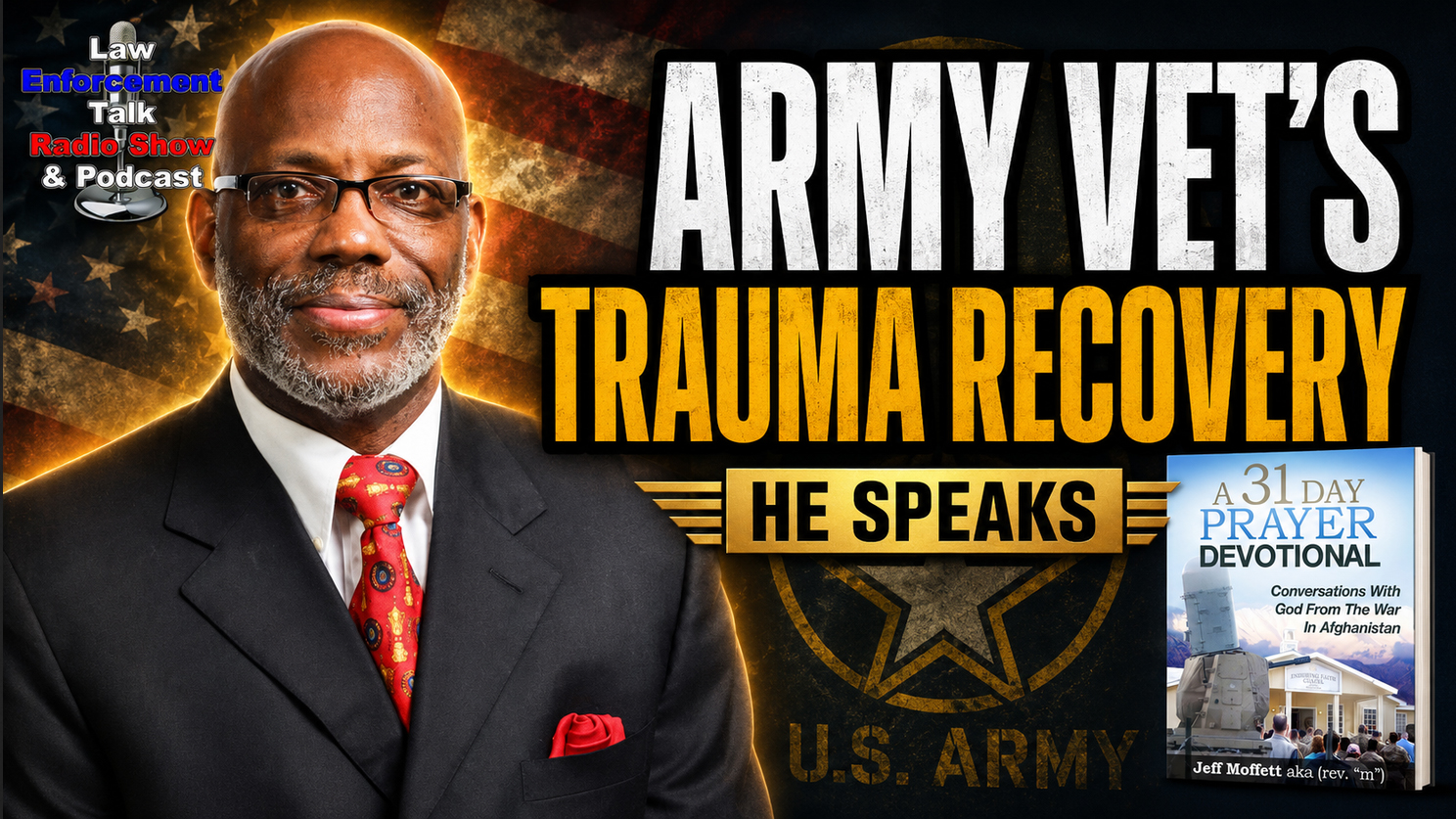
Healing military sexual trauma requires navigating profound institutional betrayal, complex post-traumatic stress disorder, and the difficult journey of reclaiming personal agency. While public discussions around veteran mental health frequently focus exclusively on battlefield experiences, non-combat trauma within the ranks presents unique psychological challenges that demand specialized understanding, targeted recovery strategies, and open dialogue to break the culture of silence.
Key Takeaways
- Military trauma frequently extends beyond traditional combat experiences to include non-combat incidents like sexual assault by superiors.
- Institutional betrayal in the military occurs when an assault involves someone who holds a higher rank, compounding the psychological impact.
- PTSD diagnoses require multi-faceted recovery approaches combining professional therapy, community support, and spiritual grounding.
- Shifting from a victim mindset to a victor mindset helps survivors reclaim their personal identity and long-term agency.
Understanding Military Sexual Trauma and Institutional Betrayal
When society envisions a veteran suffering from post-traumatic stress disorder, the mental image usually points toward active combat zones, improvised explosive devices, or the immediate threat of enemy fire. However, a significant portion of service members and veterans carry invisible wounds originating from entirely different circumstances. Military sexual trauma (MST) represents one of the most devastating hidden crises facing modern armed forces.
What makes MST uniquely destructive is the element of institutional betrayal. When an assault is perpetrated by an individual holding a higher rank, the violation extends far beyond physical harm. It shatters the foundational trust required within military structures. Armed forces are explicitly built on accountability, discipline, and mutual reliance. When a superior officer abuses that authority, the survivor is left facing not only a violent crime but also an institutional failure that can make reporting the abuse feel perilous to one's career and safety.
This betrayal often breeds profound isolation. Survivors may wrestle with intense self-blame, anger, anxiety, and depression, frequently questioning how the system they swore to protect failed to protect them. Recognizing that these wounds stem from a breach of trust—rather than a personal failure—is a vital first step toward reclaiming a sense of safety and self-worth.
Navigating a PTSD Diagnosis After Service
A diagnosis of post-traumatic stress disorder following military service can serve as a double-edged sword. On one hand, it validates invisible struggles by giving a clinical name to persistent nightmares, intrusive memories, hypervigilance, and emotional numbness. On the other hand, accepting the diagnosis can feel overwhelming for individuals trained to value resilience, physical endurance, and emotional stoicism.
For veterans accustomed to pushing through physical pain, acknowledging psychological distress requires immense courage. Many make the mistake of viewing a PTSD diagnosis as a character defect or an admission of weakness. In reality, PTSD is a physiological and psychological response to terrifying or deeply distressing events that outlasted the body's natural ability to process them.
Breaking the Culture of Silence Around Trauma
Silence acts as a prison for survivors of trauma. In military culture, there has historically been immense pressure to keep grievances private, maintain a tough exterior, and avoid appearing vulnerable. Unfortunately, keeping trauma a secret allows the psychological damage to compound over time.
Breaking that silence through honest conversations, professional counseling, and peer support helps dismantle the shame associated with abuse. When veterans speak out about their experiences with MST and PTSD, they not only aid their own recovery process but also pave the way for other hidden survivors to step forward into the light of healing.
Shifting From a Victim Mindset to a Victor Mindset
A critical turning point in trauma recovery involves redefining one's relationship to the past. Acknowledging that an assault or traumatic event occurred is essential; truth-telling demands that the blame remains squarely on the perpetrator. However, staying trapped in a permanent identity as a victim can strip a survivor of their remaining agency.
Transitioning from a victim mindset to a victor mindset does not mean pretending the trauma never happened or minimizing the severity of the offense. Instead, it represents a conscious choice to ensure that the abuse does not dictate every future decision, relationship, and career goal.
This transformation is rarely linear. It requires a combination of tools, which may include:
- Professional therapy designed to process traumatic memories safely.
- Faith-based reflection and spiritual counseling to address existential questions.
- Supportive community networks that understand the realities of military life.
- Intentional practices like gratitude that help bridge the gap between deep grief and present-day opportunities.
By focusing on what can be built from the life that remains, survivors transform their profound pain into a source of personal resilience and a platform for helping others who are still suffering in silence.
Conclusion
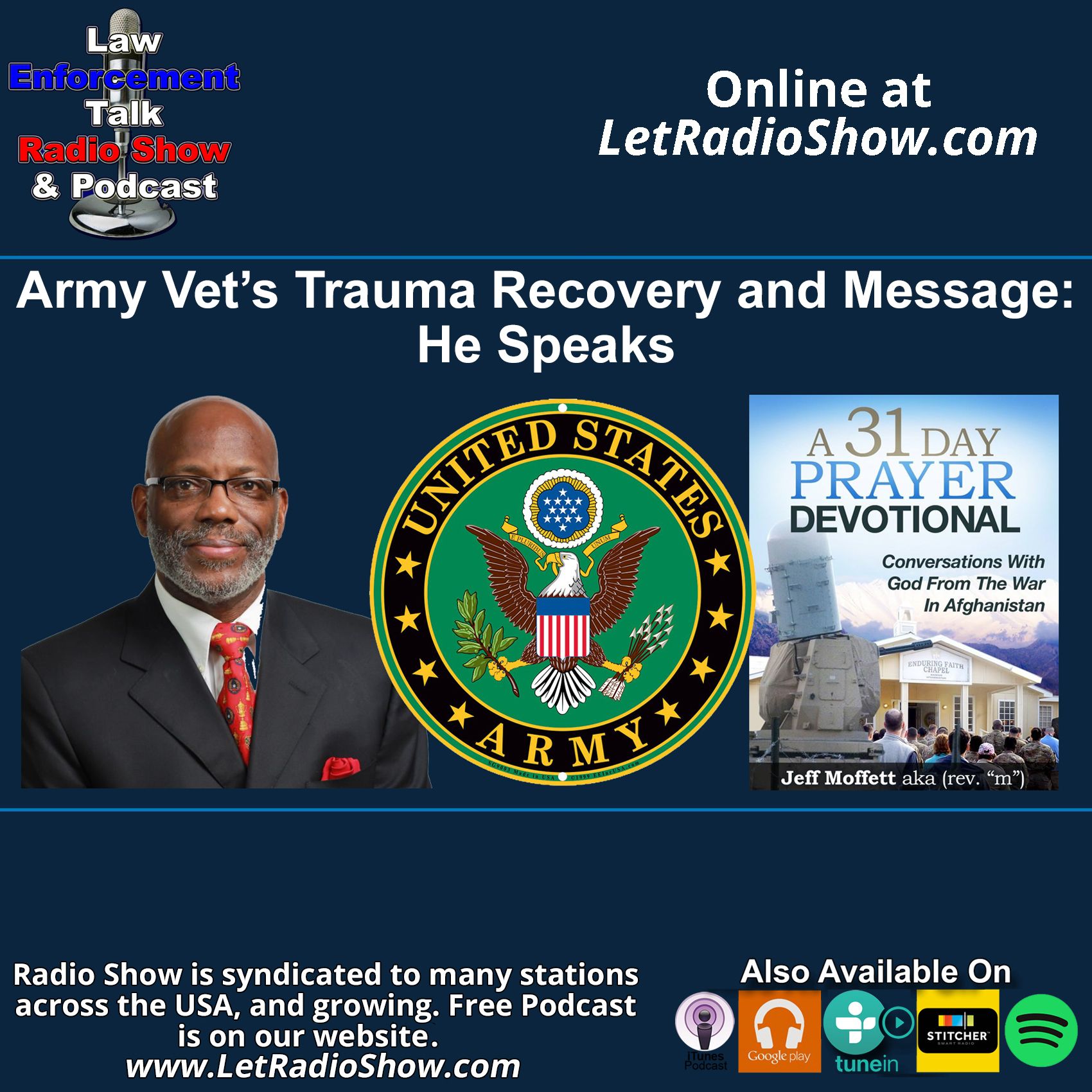
Healing from military sexual trauma and managing PTSD are monumental challenges, but they do not mark the end of a veteran's story. By confronting institutional betrayal, rejecting the shame of silence, and embracing a victor mindset, survivors can reclaim their dignity and purpose. To hear a powerful, firsthand account of navigating these exact struggles, faith, and lifelong recovery, be sure to Listen to the full episode on the Law Enforcement Talk Radio Show and Podcast.
Frequently Asked Questions
What is institutional betrayal in the context of military sexual trauma?
Institutional betrayal happens when a crime like sexual assault is committed by a superior officer within an organization built on trust, discipline, and accountability, which adds layers of psychological injury and feelings of betrayal.
How does military sexual trauma differ from combat-related PTSD?
While combat PTSD typically stems from external threats like explosions or firefights, military sexual trauma involves a direct violation of personal safety and trust from within the ranks, often resulting in unique feelings of shame, isolation, and shattered institutional faith.
Why is moving from a victim mindset to a victor mindset important?
Moving from a victim to a victor mindset does not minimize the crime or shift the blame; instead, it empowers survivors to decide that the assault will not dictate their permanent identity, future relationships, or life goals.
What resources assist veterans dealing with PTSD and abuse recovery?
Recovery resources often include professional mental health counseling, specialized support groups, faith-based guidance, gratitude practices, and open conversations that break the culture of silence surrounding trauma.

Radio Show Host and Producer
Retired from the Baltimore Police Department at the rank of Sergeant. He was retired early due a permanent line of duty injury that occurred during an act of violence. The injury resulted in 3 surgeries, two steel plates and a fusion of his right wrist and thumb.
About 8 years after retiring from police work, he began a career in the audio broadcasting space. Starting with "audio-blogs" in 1999. Which progressed into a brokered once a week radio show and then led to broadcasting school.
After graduating he has been a full time FM radio personality and launched the Law Enforcement Today Show as a podcast in March of 2017. This was in a partnership with Law Enforcement Today's Robert Greenberg. The show was quickly recruited by radio and is a nationally syndicated radio show, broadcasting weekly on many US Radio Stations to millions of people.
The partnership with them ended in the Summer of 2023 and the show was renamed the Law Enforcement Talk Radio Show and Podcast.
The radio show is syndicated by Talk Media Network. Go to the Radio Page of the site for more information.

How to Talk to Kids About Online Predators: A Parent's Guide