From Badge to Bookshelf: How Retired Police Chiefs Transition Into Crime Fiction Authors
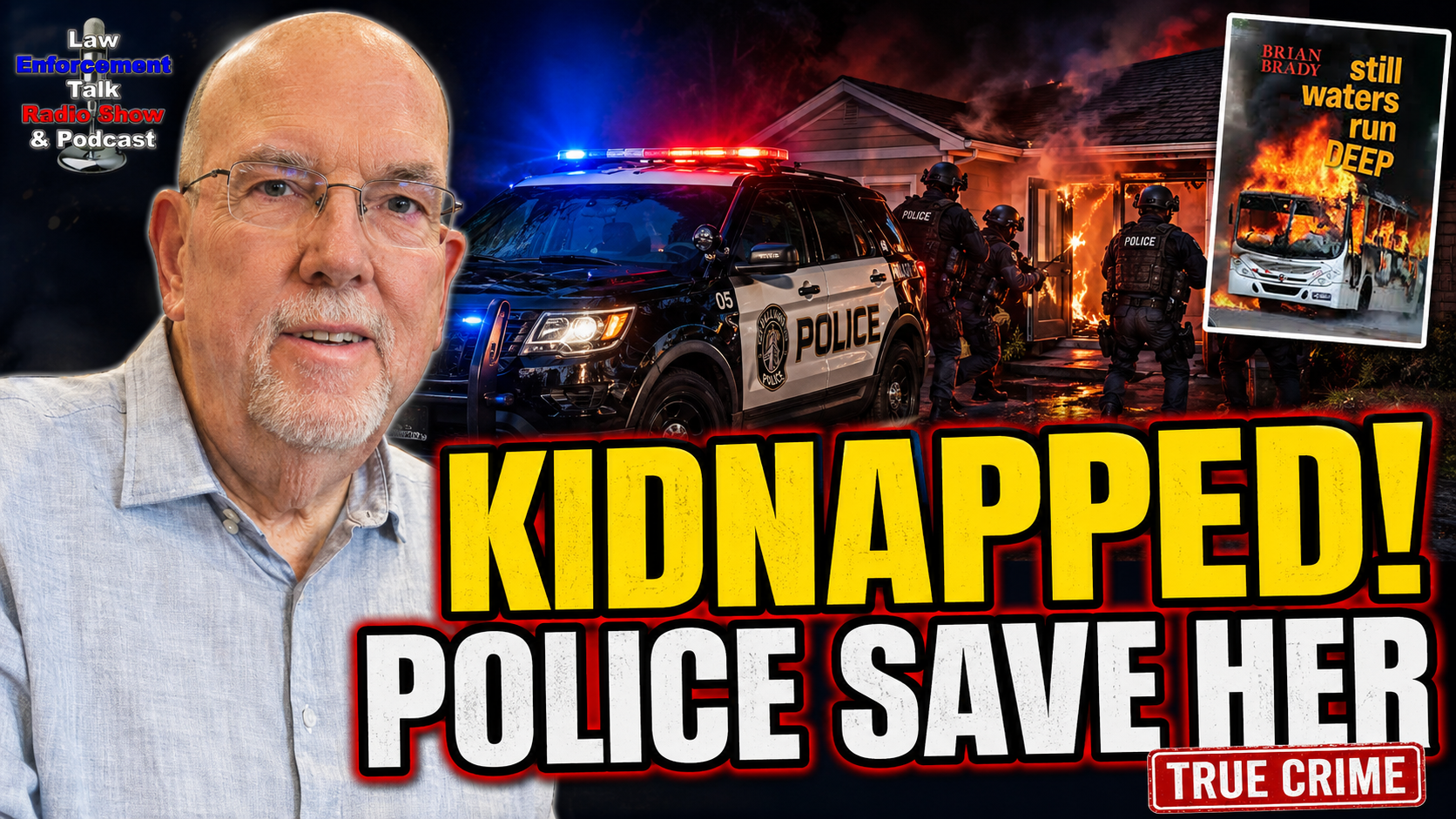
Transitioning from a high-stakes career in law enforcement to writing authentic crime fiction requires a rare blend of real-world tactical experience and creative storytelling. Retired police chiefs like Brian Brady leverage decades of investigative expertise, complex crisis management, and deep insights into police culture to craft realistic mysteries that resonate with true crime enthusiasts and fiction readers alike.
Read more or Listen to the full episode.
Key Takeaways
- Real-world law enforcement experience provides fiction authors with an authentic understanding of investigative procedures and police culture.
- Retired police leaders often draw upon diverse career assignments, ranging from metropolitan patrol to executive corporate security, to build complex fictional characters and settings.
- Literary predecessors like Joseph Wambaugh paved the way for authentic police fiction by depicting officers as flawed, multifaceted human beings rather than one-dimensional heroes.
- Writing crime fiction serves as a therapeutic and creative outlet for processing the emotional weight and high-pressure decisions faced during active police service.
The Blueprint of Authentic Police Fiction
Writing compelling crime fiction demands more than just an imagination; it requires a granular understanding of how investigations actually unfold behind the scenes. When a seasoned law enforcement officer turns to writing, the resulting narratives possess a level of procedural accuracy that generic thrillers often lack. Readers are increasingly drawn to stories that reflect the genuine nuances of police work—from the tedious collection of forensic evidence to the complex jurisdiction challenges that arise during major cases.
For former police leaders, the transition from writing official police reports to crafting multi-chapter novels involves shifting the focus from objective facts to the psychological undercurrents of crime. While real cases, such as high-stakes hostage situations or complex stranger abductions, provide raw material, fiction allows authors to explore the internal pressures, ethical dilemmas, and personal sacrifices that define a career in public safety. This intersection of lived experience and creative license creates an immersive reading experience for fans of the genre.
From Streets to Storylines: Drawing on Real Career Experiences
A lifelong career in law enforcement rarely takes place in just one location. Many officers and commanders work across vastly different environments, moving from major metropolitan areas with dense urban landscapes to smaller, tight-knit communities. Each jurisdiction leaves an indelible mark on an officer's perspective, providing a rich archive of unique personalities, cultural quirks, and dramatic conflicts.
Urban Landscapes and Metropolitan Culture
Growing up in a vibrant city like San Francisco or working within eclectic departments like Berkeley shapes an author's understanding of human behavior. The architectural backdrops, local traditions, and distinct neighborhoods often become characters themselves within the narrative. Retired chiefs who have navigated these complex urban environments can effortlessly translate the sensory details of the streets into vivid scene-setting for their novels, grounding their fictional homicides in a recognizable and authentic reality.
Read more or Listen to the full episode.
Leadership and Administrative Pressure
Moving up the ranks from patrol officer to detective, captain, and ultimately chief of police changes an officer's view of the justice system entirely. Leaders are responsible not just for individual calls, but for agency policies, public trust, and high-level crisis management. When these leaders write fiction, their stories frequently reflect systemic pressures, inter-agency politics, and the heavy burdens of command. This provides readers with a multi-layered view of law enforcement that goes far beyond the standard detective-on-the-streets trope.
The Literary Legacy of Police Officer Authors
The tradition of police officers writing acclaimed fiction has a rich history, most notably championed by icons like Joseph Wambaugh. Serving for over a decade in the Los Angeles Police Department, Wambaugh revolutionized American literature by rejecting the clean, idealized television depictions of police officers common in his era. Instead, he wrote about complex, flawed human beings struggling under the psychological weight of their profession.
Modern retired law enforcement authors carry this torch forward. By infusing their fictional worlds with the emotional truth of the job, they bridge the gap between true crime non-fiction and traditional mystery novels. They capture the unexpected humor, the profound trauma, and the camaraderie unique to first responders. This legacy ensures that literature continues to reflect the genuine human experience behind the badge, offering readers an unfiltered look at what it truly means to wear it.
Conclusion
The journey from managing high-profile investigations and armed standoffs to sitting down and writing crime fiction highlights the enduring power of real-world storytelling. Law enforcement professionals accumulate a lifetime of human observation, testing their resilience against the absolute extremes of human behavior. Transforming those experiences into novels allows retired chiefs and officers to share the reality of police work with a broader audience while finding a creative outlet for decades of service.
To dive deeper into the real-life investigations, tactical operations, and career transitions that inspire these compelling stories, Listen to the full episode of the Law Enforcement Talk Radio Show and Podcast. Discover firsthand accounts from retired police leadership and explore the intersection of genuine police work and true crime media.
Frequently Asked Questions
Why do retired police officers write crime fiction?
Retired officers often write fiction to process the intense experiences of their careers, share authentic procedural insights with the public, and channel decades of observing human behavior into creative storytelling.
How does real-world police experience improve crime novels?
Real-world experience adds procedural accuracy, realistic dialogue, and a deeper understanding of the psychological toll of violence, making fictional investigations feel much more authentic and grounded.
Who are some famous literary predecessors in police fiction?
Joseph Wambaugh, a former LAPD detective sergeant and author of acclaimed works like The New Centurions and The Onion Field, is widely recognized as a pioneer who transformed police experiences into celebrated literature.
Do retired officers use their exact police cases in their fiction?
While real-life incidents, tactical challenges, and colorful personalities inspire their writing, authors typically use fiction as a vehicle to combine multiple experiences rather than reproducing exact, confidential case files.
Read more or Listen to the full episode.

Radio Show Host and Producer
Retired from the Baltimore Police Department at the rank of Sergeant. He was retired early due a permanent line of duty injury that occurred during an act of violence. The injury resulted in 3 surgeries, two steel plates and a fusion of his right wrist and thumb.
About 8 years after retiring from police work, he began a career in the audio broadcasting space. Starting with "audio-blogs" in 1999. Which progressed into a brokered once a week radio show and then led to broadcasting school.
After graduating he has been a full time FM radio personality and launched the Law Enforcement Today Show as a podcast in March of 2017. This was in a partnership with Law Enforcement Today's Robert Greenberg. The show was quickly recruited by radio and is a nationally syndicated radio show, broadcasting weekly on many US Radio Stations to millions of people.
The partnership with them ended in the Summer of 2023 and the show was renamed the Law Enforcement Talk Radio Show and Podcast.
The radio show is syndicated by Talk Media Network. Go to the Radio Page of the site for more information.

When the Badge Is Gone: Navigating Career Termination After Line-of-Duty Trauma