How to Break Generational Trauma
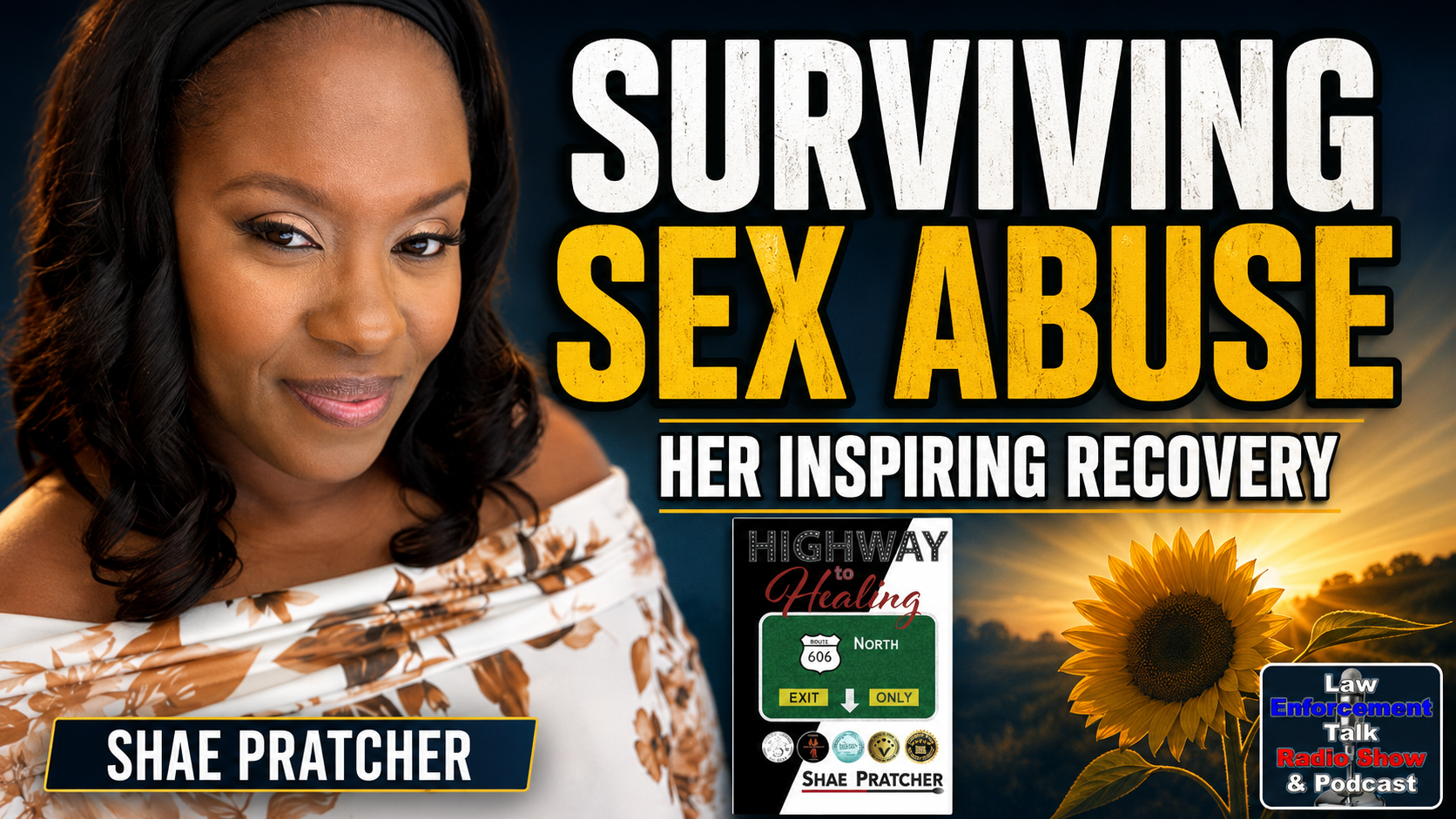
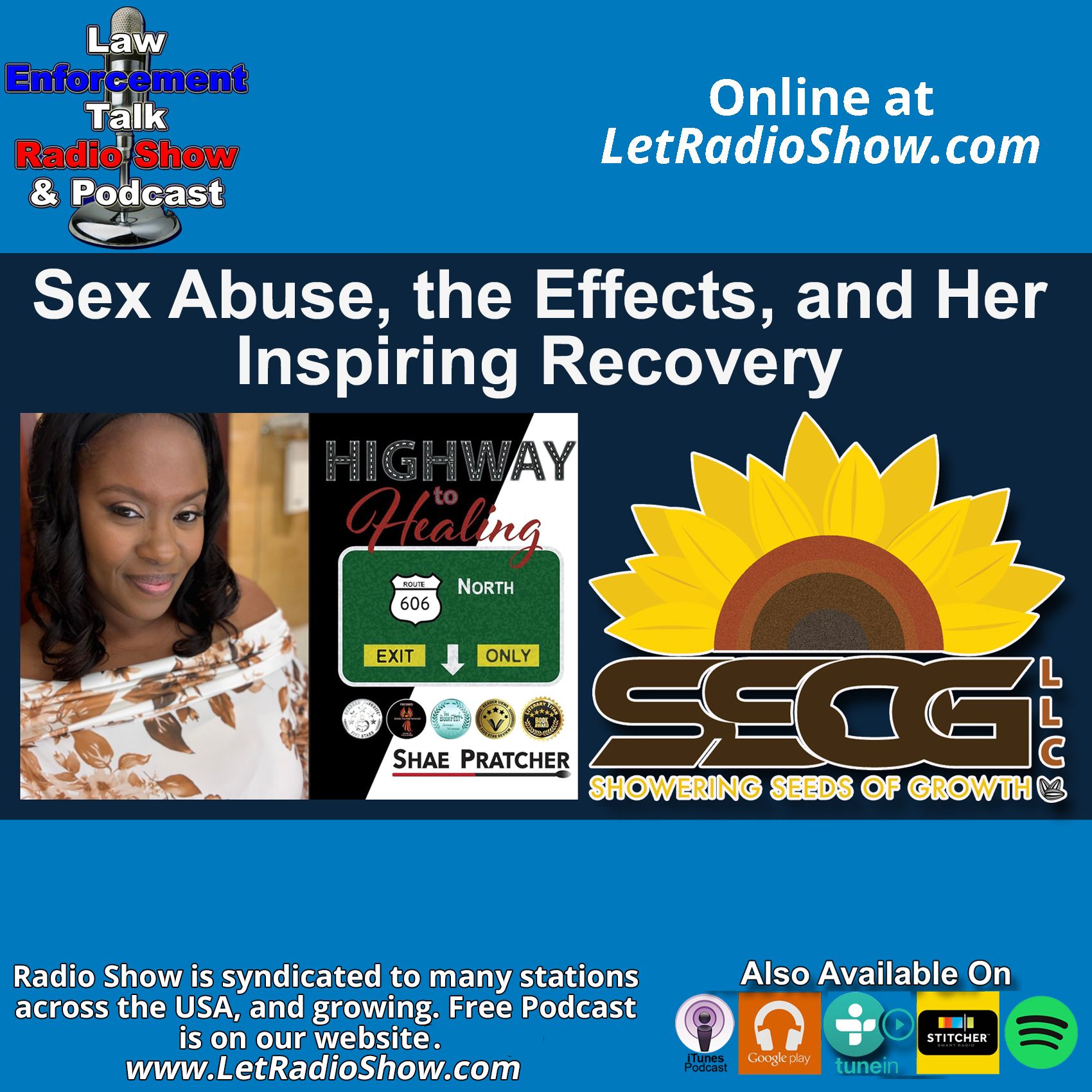
How to Break Generational Trauma. Breaking generational trauma cycles requires moving past basic survival mode to dismantle deeply ingrained emotional patterns. By learning how to recognize past triggers, regulate internal responses, and implement actionable mindset strategies like The C.L.A.R.I.F.Y. System, survivors can reclaim their lives and protect future generations from inheriting unhealed wounds.
Listen to the full episode or read more for free.
Key Takeaways
- Unresolved childhood trauma and survival responses can unconsciously dictate adult behaviors, relationships, and emotional triggers for decades if left unexamined.
- Breaking generational patterns begins with recognizing the repetitive emotional cycles learned in early life and identifying how they manifest today.
- The C.L.A.R.I.F.Y. System provides a concrete blueprint to help individuals pause, regulate their internal emotions, and respond with intention rather than fear.
- True personal freedom from abuse requires doing more than surviving; it demands intentional healing to protect future generations from inheriting unhealed wounds.
- Professional therapy combined with tactical mindset strategies offers a reliable pathway to shift from reactive survival modes to strategic thriving.
Understanding How Trauma Roots Itself in Daily Life
Childhood trauma, particularly severe sexual abuse or prolonged early-life adversity, fundamentally alters how a young mind perceives safety and threat. When a child is subjected to abuse, their developing brain prioritizes survival over everything else. This means adopting hyper-vigilant behaviors, emotional withdrawal, or defensive postures just to make it through the day. Unfortunately, these survival mechanisms do not automatically expire when childhood ends.
As children transition into teenagers and adults, those very same survival tactics follow them into classrooms, workplaces, and romantic partnerships. An adult survivor might find themselves reacting defensively to constructive criticism, shutting down emotionally during arguments, or over-compensating through intense people-pleasing. The core issue is that the body remembers the threat long after the physical danger has passed. Without intentional intervention, these unconscious reactions become the baseline of how an individual interacts with the world.
Read more or listen to the full episode for free.
The Hidden Cost of Unrecognized Behavioral Patterns
Many survivors spend years asking themselves why their relationships continually fail or why they feel a persistent undercurrent of anxiety and shame. The answer usually lies in unexamined behavioral loops. When you are operating from a place of unhealed trauma, your brain treats everyday stressors as life-or-death emergencies. A mild disagreement with a spouse can trigger the exact same neurochemical panic as a childhood crisis, leading to explosive fights or complete emotional withdrawal.
Recognizing these patterns is the absolute first step toward true liberation. As mindset strategists and trauma recovery advocates point out, you cannot change what you refuse to acknowledge. Bringing these hidden patterns into the light of conscious awareness strips them of their silent power, allowing you to examine them objectively rather than acting on them blindly.
The Power of the Pause: Introducing The C.L.A.R.I.F.Y. System
One of the most effective ways to disrupt generational trauma is by mastering the space between a stimulus and your reaction. Shae Pratcher, a survivor and multi-award-winning author, developed The C.L.A.R.I.F.Y. System precisely for this reason. This framework is engineered to help individuals navigate the turbulent waters of emotional triggers and impulsive coping mechanisms.
At its core, the system relies on a simple yet profound three-step philosophy: recognize the pattern, regulate the emotion, and respond with intention. When a trauma trigger flares up, the typical survivor response is immediate and frantic. The C.L.A.R.I.F.Y. System interrupts this runaway train by forcing a tactical pause. Instead of letting your past dictate your current conversation or decision, you slow down long enough to ask yourself critical questions:
- Is this current situation genuinely dangerous, or is my past trauma responding to a ghost?
- Am I reacting out of fear and anger, or am I choosing my response based on my present reality?
- What kind of boundary or communication style will serve my long-term well-being right now?
Emotional Regulation as a Survival Skill
Emotional regulation is rarely taught in environments marked by abuse and instability. Instead, children learn to suppress their feelings or explode under pressure. Reclaiming your life as an adult means building emotional regulation as a deliberate skill. Through professional therapy, mindfulness, and structured frameworks, survivors learn how to sit with uncomfortable emotions without letting those emotions hijack their behavior.
When you learn to regulate your internal state, external chaos loses its grip on you. You stop lashing out, you stop retreating into isolation, and you begin communicating your needs with clarity and confidence. This shift transforms you from a passive victim of circumstance into an active architect of your own emotional health.
Generational Healing: Stopping the Cycle in Its Tracks
Perhaps the most profound realization a survivor can reach is that healing is never purely individual. Unresolved pain acts like an invisible inheritance. Parents who never processed their childhood abuse may unintentionally pass down hyper-critical parenting styles, emotional unavailability, or unpredictable volatility to their own children. The trauma ripples outward, polluting family dynamics for generations.
Conversely, intentional healing acts as a powerful generational circuit breaker. When you commit to therapy, unpack your grief, and learn healthier communication tools, you change the entire trajectory of your family line. You teach your children, and those around you, that boundaries can be set safely, that conflicts can be resolved without violence or withdrawal, and that past pain does not get to dictate the future.
Breaking the cycle does not require perfection; it requires courage and consistency. It means being willing to look at the painful chapters of your story, acknowledge how they affected you, and make a conscious vow to do things differently. Every time you choose a calm response over a reactive outburst, you are rewriting your family's legacy.
Conclusion and Next Steps
Surviving deep trauma, abuse, and unimaginable loss leaves permanent marks, but those marks do not have to define the entirety of your existence. By utilizing structured frameworks, seeking professional support, and committing to daily emotional regulation, you can step out of the shadows of your past and into a life of purpose and strategic thriving.
To hear an in-depth, deeply moving discussion on overcoming severe trauma, turning pain into purpose, and reclaiming a vibrant future, Listen to the full episode. Dive into the complete audio interview to discover more actionable strategies for your own recovery journey.
Frequently Asked Questions
What is the C.L.A.R.I.F.Y. System for trauma recovery?
The C.L.A.R.I.F.Y. System is a practical mindset framework developed by author and speaker Shae Pratcher. It is designed to help individuals recognize destructive behavioral patterns, regulate intense emotions, and respond to triggers with conscious intention rather than knee-jerk survival reactions.
How does childhood trauma affect adult relationship patterns?
Childhood trauma often forces the nervous system into a state of chronic hyper-vigilance. In adulthood, this manifests as defensiveness, emotional shutdown, people-pleasing, fear of abandonment, or an inability to establish healthy boundaries, making everyday communication and intimacy difficult.
Why is generational healing considered a vital step for survivors?
Generational healing recognizes that unaddressed trauma, emotional dysregulation, and dysfunctional coping mechanisms are often unconsciously passed down to children, spouses, and future generations. By healing oneself, an individual halts the transmission of that pain.
What is the difference between surviving trauma and thriving?
Surviving trauma means merely enduring the day-to-day consequences of past abuse while remaining trapped in defensive coping mechanisms. Thriving involves stepping out of survival mode, confronting the root causes of pain, and actively building a life defined by purpose, clarity, and healthy choices.

Radio Show Host and Producer
Retired from the Baltimore Police Department at the rank of Sergeant. He was retired early due a permanent line of duty injury that occurred during an act of violence. The injury resulted in 3 surgeries, two steel plates and a fusion of his right wrist and thumb.
About 8 years after retiring from police work, he began a career in the audio broadcasting space. Starting with "audio-blogs" in 1999. Which progressed into a brokered once a week radio show and then led to broadcasting school.
After graduating he has been a full time FM radio personality and launched the Law Enforcement Today Show as a podcast in March of 2017. This was in a partnership with Law Enforcement Today's Robert Greenberg. The show was quickly recruited by radio and is a nationally syndicated radio show, broadcasting weekly on many US Radio Stations to millions of people.
The partnership with them ended in the Summer of 2023 and the show was renamed the Law Enforcement Talk Radio Show and Podcast.
The radio show is syndicated by Talk Media Network. Go to the Radio Page of the site for more information.

The Financial Cost of Losing Trained and Experienced Cops