Apple Podcasts
 Spotify
 Amazon Music
 Audacy
 Audible
 Castbox
 Castro
 Deezer
 Fountain
 Goodpods
 iHeartRadio
 PocketCasts
 Podcast Addict
 Podchaser
 Podverse
 Spreaker
 Podurama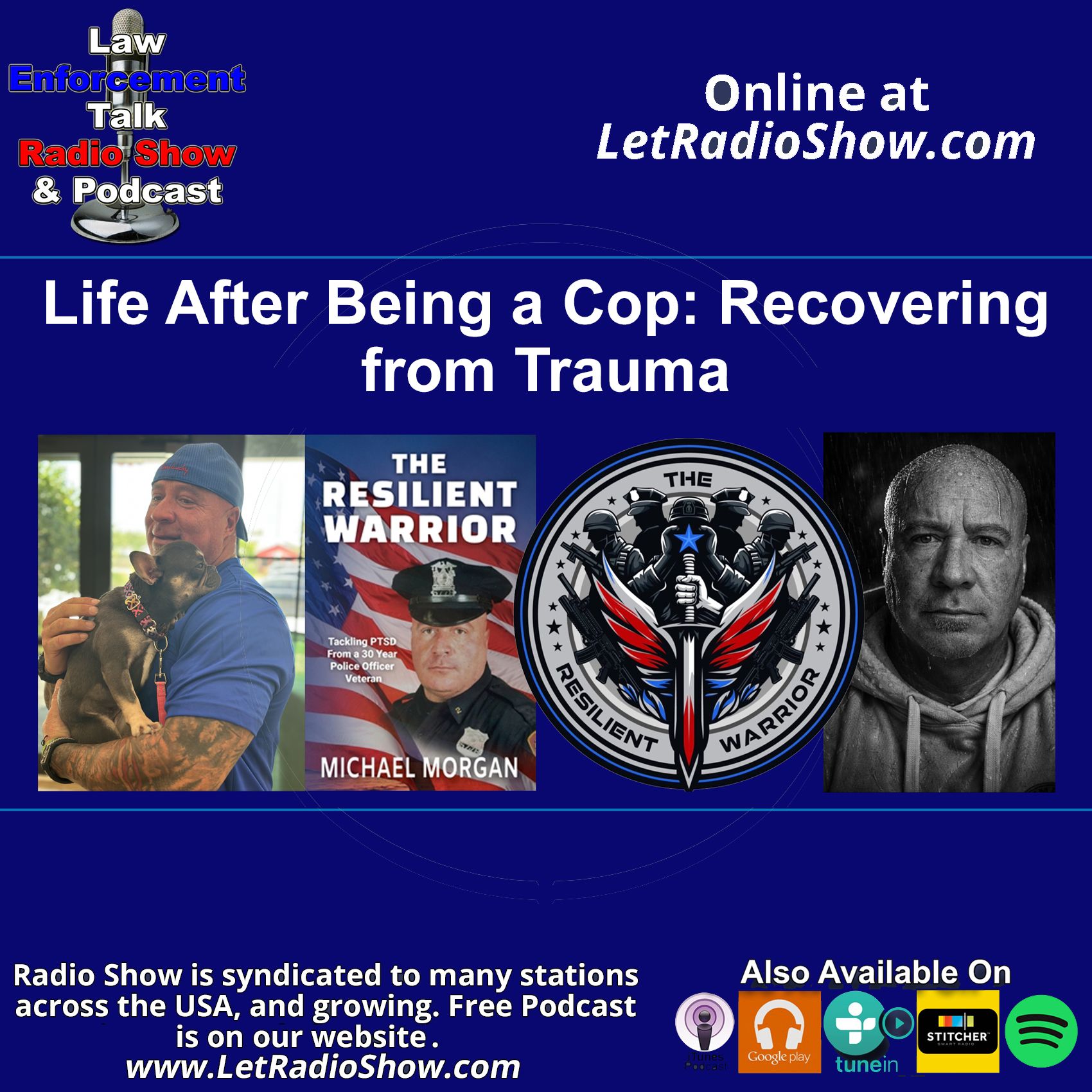


Life After Being a Cop: Recovering from Trauma. After 30 years of law enforcement, he thought he had retired unscathed. A veteran of the Suffolk County Police Department and the Atlanta Police Department, he spent decades responding to emergencies, witnessing trauma, and putting his life on the line. Yet even after leaving the force, the weight of his experiences lingered. The Law Enforcement Talk Radio Show and Podcast social media like their Facebook , Instagram , LinkedIn , Medium and other social media platforms.
Mike Morgan is our guest. “I thought I was done with all the trauma,” Mike says. “I thought I got out unscathed. But it all started catching up with me after retirement, especially that call about the 2-year-old child who drowned.” The Podcast is available for free on the Law Enforcement Talk Radio Show and Podcast website, also on Apple Podcasts, Spotify, YouTube and most major podcast platforms.
A Life-Altering Call
The call that shook Mike the most involved a young child who had drowned. He was able to save the child, but the emotional impact stayed with him. As he explains, “Saving that child was one of the most rewarding things I’ve done, but it also brought back all the other moments in my career that I hadn’t fully processed.” Life After Being a Cop: Recovering from Trauma. Supporting articles about this and much more from Law Enforcement Talk Radio Show and Podcast in platforms like Medium , Blogspot and Linkedin .
Drowning remains a leading risk for children under 5. According to recent studies:
87% of drowning fatalities occur in home pools or hot tubs, often when children sneak outside unattended.
Highest risk group: Children aged 1–4, with backyard pools as the primary location for fatal drownings.
Silent danger: Drowning is fast and silent, rarely involving splashing or screaming.
Mike emphasizes, “Swimming pools may look safe, but kids can slip away in seconds. Even the most attentive parent can’t always see it happen.” The episode is available across major platforms including their website, Apple Podcasts, Spotify, YouTube, with highlights shared across their Facebook, Instagram, and LinkedIn profiles.
The U.S. Consumer Product Safety Commission (CPSC) studied drownings among children age 4 and under in Arizona, California, and Florida, where pools are common. It found nearly 70% of children were not expected to be in the water, and 46% were last seen inside the house. Essential safety measures include four-sided fencing, pool alarms, locked doors, and constant adult supervision. Life After Being a Cop: Recovering from Trauma.
Recognizing PTSD
Even after retirement, Mike realized he was struggling with symptoms of PTSD. “I was listening to a podcast one day and thought, ‘This is me,’” he says. “I was having everything the experts describe, but I hadn’t acknowledged it yet.”
Police officers face a particularly high risk of PTSD due to frequent exposure to traumatic events. Studies estimate prevalence rates up to 20%, roughly double that of the general population. Symptoms often stem from cumulative stress, fatal accidents, officer-involved shootings, and repeated exposure to violence, leading to flashbacks, insomnia, and even suicidal thoughts. Available for free on the Law Enforcement Talk Radio Show and Podcast website, also on Apple Podcasts, Spotify, Youtube and most major Podcast networks.
As Mike explains, “It’s not always one single traumatic event. It’s the buildup over time, the constant stress, the repeated exposure to tragedy. That’s what hits you when you retire and finally have time to think.” Life After Being a Cop: Recovering from Trauma.
Key facts from research:
Police Officers experience an average of 3.5 traumatic incidents every six months.
One in seven officers worldwide suffers from PTSD or depression, with 15–18% meeting diagnostic criteria.
Stressors include violent incidents, exposure to death, and organizational pressures.
Symptoms and Behavioral Impacts
PTSD can affect every aspect of life:
Physical: Fatigue, insomnia, chest pain, nausea
Emotional & Behavioral: Anxiety, withdrawal, paranoia, rage, increased substance use
Job Impact: Poor performance, missed work, strained family relationships
“PTSD isn’t just a badge issue,” Mike says. “It follows you home. It affects your health, your family, and your ability to enjoy life after the force.” Life After Being a Cop: Recovering from Trauma. Look for The Law Enforcement Talk Radio Show and Podcast on social media like their Facebook , Instagram , LinkedIn , Medium and other social media platforms.
Recovery and Support
Mike credits therapy, medicine, peer support, and community for helping him recover. Evidence-based therapies like Cognitive Behavioral Therapy (CBT), Cognitive Processing Therapy (CPT), and Prolonged Exposure Therapy are highly effective. Departments that promote open discussions and mental health support can reduce the stigma and help officers seek treatment.
Now living in Florida He shares his journey on The Resilient Warrior podcast and the book he wrote titled The Resilient Warrior. “The podcast is my way of giving back and showing other officers and anyone struggling with trauma, that recovery is possible,” he says. Life After Being a Cop: Recovering from Trauma.
You can find the Law Enforcement Talk Radio Show and Podcast on Facebook, Instagram, Pinterest, X (formerly Twitter), and LinkedIn, as well as read companion articles and updates on Medium, Blogspot, YouTube, and even IMDB.
Listeners can find the full podcast interview for free on the Law Enforcement Talk Radio Show and Podcast website, also on Apple Podcasts, Spotify, YouTube and most major podcast platforms.
Be sure to check out our website .
Be sure to follow us on X , Instagram , Facebook, Pinterest, Linkedin and other social media platforms for the latest episodes and news.
Background song Hurricane is used with permission from the band Dark Horse Flyer.
You can contact John J. “Jay” Wiley by email at Jay@letradio.com , or learn more about him on their website .
Find a wide variety of great podcasts online at The Podcast Zone Facebook Page , look for the one with the bright green logo.
Life After Being a Cop: Recovering from Trauma.
Attributions
Amazon
Suffolk County NY Police Department
Hosted by Simplecast, an AdsWizz company. See pcm.adswizz.com for information about our collection and use of personal data for advertising.