
A Call for Change From Lived Experience
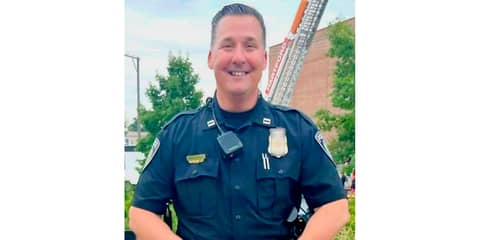
A Call for Change From Lived Experience: Police Wellness in 2026. As we enter 2026, I want to speak directly to police officers, supervisors, and leaders, not from a position of theory, policy, or best practices, but from lived experience.
Law enforcement is a profession built on service, sacrifice, and resilience. But for far too long, we have ignored the toll this job takes on our mental and physical health. We’ve normalized exhaustion, emotional suppression, and suffering in silence. That mindset is costing careers, families, and lives.
As we start a new year, it’s time for honest resolutions, not the kind that sound good on paper, but the kind that actually keep officers alive and well.
Read this Free Article: A Police Officer's Poor Choices...
My Message to Police Officers: You Are Not Weak for Needing Care
For years, we’ve been taught to push through everything, trauma, stress, grief, and fear. I lived that reality. I suffered in silence with my mental health for years after using deadly force on someone who armed themselves with a hatchet inside a busy department store.
I know how easy it is to ignore warning signs. I know how convincing the voice is that says, “I’ll deal with it later.”
In 2026, my challenge to officers is simple: stop waiting until later.
Make your mental health a priority, not an afterthought. That means checking in with yourself after critical incidents. It means talking to someone you trust. It means using professional resources without shame.
Mental health care is not a career ender. It is career preservation.
Physically, this job demands more from your body than most professions. Long hours, disrupted sleep, poor nutrition, and chronic stress wear you down over time. You don’t need extreme fitness goals, you need consistency. Move your body. Improve your sleep when you can. Fuel yourself better. Go to the doctor.
A healthier body supports a clearer mind, better judgment, and safer outcomes on the street.
Listen to this Free Podcast: What Is Verbal Judo and Drug Interdiction for Police?
My Message to Supervisors: Your Leadership Can Save Lives
Supervisors are the front line of police culture. You see officers every day. You notice changes in behavior, attitude, and performance long before administration does.
In 2026, I’m asking supervisors to stop leading with silence and start leading with support.
Normalize mental health conversations. Ask real questions, and be prepared to listen. Don’t wait until an officer is failing, isolated, or in crisis before stepping in. Early intervention isn’t micromanagement; it’s leadership.
Just as important, model what healthy leadership looks like. Take time off. Set boundaries. Seek help when you need it. When supervisors show that wellness matters, officers believe it’s safe to do the same.
What you tolerate becomes culture. What you ignore becomes policy, without ever being written.
My Message to Police Leaders: Wellness Is Not Optional, It’s Operational
Leadership sets the direction of the profession. In 2026, police leaders must stop treating wellness as a buzzword and start treating it as operational readiness.
Officers who are mentally and physically healthy make better decisions, exercise better judgment, and build stronger trust with the communities they serve.
One of the most damaging failures I’ve witnessed is how departments abandon officers when they struggle. Too often, mental health becomes a liability issue instead of a leadership responsibility. That must end.
Leaders must commit to supporting recovery, offering meaningful accommodations, and standing by officers during their hardest moments, not distancing themselves when it becomes uncomfortable.
Read this Free Article: His Honest Approach to Weight Loss
Policies don’t build trust. Actions do.
Supporting officers when they are vulnerable is how leadership is truly measured.
My Resolution for 2026: Change the Culture. Save the Officer.
My resolution as we enter 2026 is simple but urgent: end the silence, end the stigma, and ensure no officer feels disposable.
Adam A. Meyers is a Police Captain in Wisconsin. He explains his poor coping and choices he made after he killed someone in the line of duty. He also founded Stop The Threat – Stop The Stigma where it is okay to talk about your Mental Health.
Mental and physical health in policing is not an individual failure, it is a shared responsibility. When officers are supported, supervisors are engaged, and leaders are accountable, we build a profession that can survive and evolve.

Gun Or Taser®? Let's Talk The Reality and Truths.